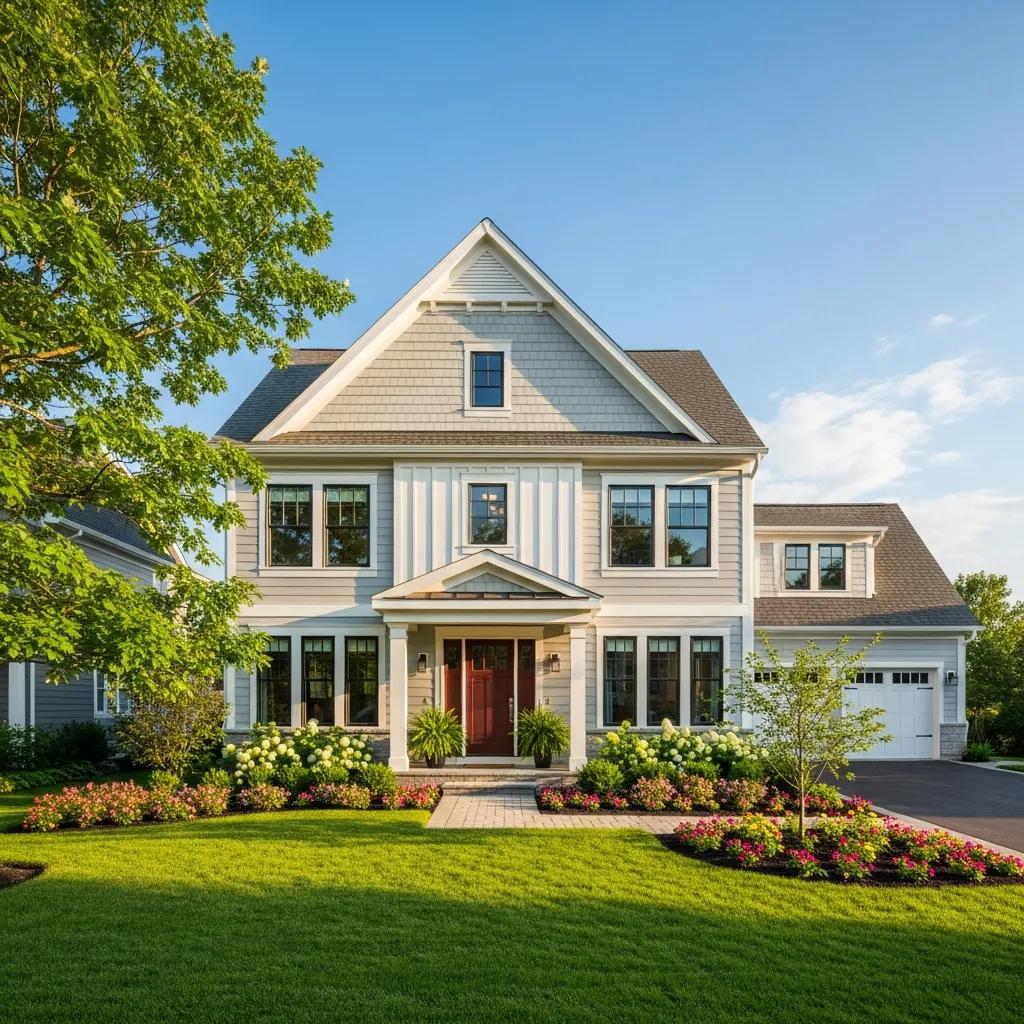
What Determines Your Home's Market Value?
What Determines Your Home's Market Value? Comprehensive Guide to Factors, Appraisal, and Market Trends

Understanding your home's market value means knowing the price a well-informed buyer would pay under current local conditions, and this value arises from a mix of tangible features, market dynamics, and documented comparables. Sellers who grasp what determines home market value can set realistic asking prices, prioritize cost-effective improvements, and time their listing to maximize proceeds. This guide explains the primary valuation drivers—location, property condition and age, size and upgrades, comparable sales, and broader market conditions—followed by a clear walkthrough of the appraisal and Comparative Market Analysis (CMA) process. You will also find actionable strategies to increase value before selling, region-specific market trends for Dufferin and Peel, and practical ROI guidance for common renovations. Finally, the article outlines how a data-driven seller support system can translate these factors into a competitive listing and a realistic asking price. Read on to learn how each element influences buyers and appraisers, how to prepare for a strong appraisal, and which improvements yield the best returns in markets such as Orangeville and Caledon.
What Are the Key Factors Affecting Your Home's Market Value?
A home's market value is primarily shaped by a short list of core factors—location, property condition and age, size and layout, upgrades and finishes, comparable sales, and prevailing market conditions—and each factor both signals buyer demand and guides appraiser adjustments. Location affects who will consider the property; condition and age determine cost-to-repair expectations; size and usable layout translate to utility; upgrades influence perceived move-in readiness; comparables anchor price bands; and market conditions control negotiation leverage. Understanding these pillars helps sellers prioritize improvements and set pricing strategies that align with buyer expectations. Below is a direct, scannable list optimized for quick answers and featured snippets.
The most important factors are:
Location: Proximity to schools, transit, and amenities raises desirability and price bands.
Property condition and age: Recent updates reduce buyer-observed discounts; deferred maintenance lowers offers.
Size and layout: Usable square footage and functional layouts attract higher bids.
Upgrades and finishes: Modern kitchens and bathrooms often produce premium interest.
Comparable sales (comps): Recent local sales set the primary valuation benchmark.
Market conditions: Inventory, mortgage rates, and demand shift negotiating power.
These factors form a checklist sellers can use to focus efforts before listing, and in the next section we show how a professional evaluation converts them into a target asking price.
Before exploring how appraisers formalize value, consider a concise reference table that maps each factor to how it affects price and what sellers can do to respond.
FactorHow It Affects ValueSeller ActionLocationSets baseline price band via neighbourhood demandHighlight amenities, school ratings, transit accessCondition & AgeDiminishes value if deferred maintenance existsFix visible issues; document recent repairsSize & LayoutMore functional space commands higher offersReconfigure or stage to show usable areasUpgrades & FinishesModern features increase buyer willingness to payHighlight kitchen/bath upgrades and warrantiesComparable SalesDirectly influences market-based adjustmentsSupply recent comps and context to agent/appraiser
This quick-reference table translates valuation theory into practical seller actions and leads naturally into the appraisal and CMA process, which formalizes these adjustments into a recommended price.
How Does Location Influence Property Value?
Location determines a large portion of price variance because it governs demand, future development potential, and buyer pool composition; desirable neighborhoods with good schools, transit connections, and services attract stronger bids, while remote or less-serviced areas require steeper discounts. Micro-market differences—street-level desirability, lot placement, and proximity to busy roads—also produce meaningful adjustments that appraisers and buyers apply when comparing homes. For sellers in Orangeville, Shelburne, Caledon, Erin, and Peel, highlighting school zones, commute options, and nearby amenities can shift buyer perception and justify premium pricing. Understanding how location interacts with comparables helps sellers choose which nearby sales to present as supporting evidence during CMA discussions, and this leads into how condition and age further modify those location-based valuations.
Research consistently underscores the profound impact of a property's accessibility and surrounding land use on its overall market valuation.
Factors Affecting Residential Property Values: Accessibility & Land Use
The relationship among accessibility, property values and land use patterns has been the pre-occupation of earliest theorists with indication that travel costs were traded off against rents, population densities and distances from the Central Business District. This study assesses the veracity of this proposition in Magodo neighbourhood property market.
What Role Do Property Condition and Age Play in Valuation?

Property condition and age affect both objective appraisal adjustments and subjective buyer perceptions, because older properties or those with deferred maintenance typically require price reductions to cover anticipated repairs or modernization costs. Appraisers account for condition through observable items—roof, HVAC, foundation, windows—and make dollar adjustments when estimating replacement or deferred costs, while buyers apply psychological discounts when they imagine renovation timelines. Sellers who document recent major repairs, provide warranties, and present clean, well-maintained interiors reduce condition-related discounts and accelerate offers. Addressing condition issues before listing not only improves appraiser estimates but also increases buyer confidence, which we then translate into CMA preparation steps covered in the next major section.
How Is Your Home's Value Determined Through the Appraisal Process?
An appraisal and a Comparative Market Analysis (CMA) are methods to estimate market value: a CMA is an agent-prepared, market-based estimate using recent comparable sales, while a formal appraisal is a certified professional’s opinion often used by lenders. Both approaches start with data—recent sold prices, active listings, pending sales, and property specifics—and apply adjustments for differences in size, condition, upgrades, and location to arrive at a reconciled value range. Sellers should understand these steps so they can provide documentation and context that support the chosen comparable sales and the final estimate. The following numbered list explains how CMAs are typically created and optimized for clarity.
How CMAs and appraisals are created:
Data collection: Gather recent closed sales, active listings, pending sales, and local market metrics.
Comparable selection: Choose 3–6 recent sales with similar location, size, and condition.
Adjustments: Make dollar or percentage adjustments for differences (beds, baths, upgrades).
Reconciliation: Weight the adjusted comparables to derive a value range and suggested list price.
Documentation: Provide permits, upgrade invoices, and home improvements to justify premiums.
These steps reveal where seller-provided documentation and strategic staging influence final values, and next we explain what a CMA includes and how comparables are selected in practice.
What Is a Comparative Market Analysis and How Does It Work?
A Comparative Market Analysis is a structured market comparison that identifies recent sales most like your property and adjusts those prices to account for differences, producing a defensible value range for listing decisions. The process weights more recent sales and closer-location comps higher, then applies adjustments for tangible differences such as square footage, bedroom count, lot size, and observed condition. For example, if a chosen comp sold for $600,000 but your property has an upgraded kitchen worth a documented $25,000, the CMA will adjust the comp upward to reflect that feature, then reconcile multiple comps into a suggested price. Documenting upgrades, providing receipts, and clarifying unique features helps the agent or appraiser apply accurate adjustments and reduces undervaluation risk. This walkthrough shows why preparation matters and sets up the next paragraph on appraisal preparation.
How to Prepare Your Home for a Successful Appraisal?
Preparing for an appraisal requires a focused list of visible repairs, organized documentation for upgrades, and staged presentation to highlight usable space and recent investments; these actions help appraisers and buyers perceive lower risk and justify higher values. Key steps include decluttering, completing minor repairs (peeling paint, leaky faucets), ensuring clear access for inspection, and compiling invoices, permits, and warranties for recent work. Presenting a concise home upgrades file that lists dates, contractors, and costs helps the appraiser apply appropriate upward adjustments for improvements. For sellers wanting hands-on assistance, a Free Home Evaluation can deliver a targeted appraisal-prep checklist and an itemized plan—this service translates observed factors into prioritized actions that support higher appraised values.
What Are the Current Real Estate Market Trends Impacting Home Values?

Current market trends that most directly affect home values include inventory levels, buyer demand, mortgage rates, and regional economic indicators such as employment and affordability; shifts in these variables change negotiating leverage between buyers and sellers. For the Dufferin and Peel regions, recent forecasting indicates a continued market decline, with prices expected to fall by 3-6% through 2026. This downturn is primarily driven by persistent affordability challenges, elevated interest rates, and a general lack of confidence among buyers. Sellers must understand these trends to set realistic expectations and implement effective strategies in a challenging market. The next subsection explains the causal relationship between supply, demand, and economic factors so sellers can interpret regional forecasts.
To make regional indicators easy to scan, the table below summarizes key metrics and their implications for Orangeville/Dufferin and Peel.
RegionPrimary IndicatorCurrent SummaryOrangeville / DufferinAvg price change & inventoryContinued price decline (3-6% forecast); inventory levels remain elevated due to reduced demandCaledon / PeelDays on market (DOM) & demandReduced demand across all zones; Days on Market (DOM) increasing significantly as buyers hesitateRegional rates impactMortgage rate sensitivityHigh rates severely impact affordability, driving down prices and buyer confidence
This table highlights the importance of local nuance and leads into how macroeconomic factors like rates and employment affect price pressure in the next subsection.
How Do Supply, Demand, and Economic Factors Affect Prices?
Supply and demand operate as primary levers on price: when inventory is high and demand is weak, prices fall. The current market is characterized by elevated inventory and significantly reduced buyer demand, largely due to persistent affordability challenges and high interest rates. Mortgage rates directly impact buyer affordability—sustained high rates severely reduce purchasing power, leading to lower offers and prolonged sales cycles. Furthermore, a general lack of confidence in the real estate market, coupled with economic uncertainties, is shrinking the pool of qualified buyers and exerting downward pressure on prices. Sellers should track local inventory and lending conditions to anticipate buyer behavior and choose listing timing strategically. Interpreting these signals helps sellers decide whether to invest in renovations now or expedite a listing to capture current demand, which connects to the specific 2026 forecast for Dufferin and Peel.
What Is the 2026 Housing Market Forecast for Dufferin and Peel Regions?
Recent forecasting for the 2026 horizon suggests a continued market decline, with prices expected to fall by 3–6% across many suburban markets, including Dufferin and Peel. This downturn is driven by persistent high mortgage rates, ongoing affordability challenges, and a pervasive lack of confidence among buyers. For sellers in Dufferin and Peel, this implies a challenging environment where strategic pricing, exceptional property presentation, and a deep understanding of current market dynamics are crucial. Sellers should interpret these projections as a cue to adapt their strategies, focusing on essential, high-ROI improvements and realistic pricing to attract buyers in a contracting market, rather than waiting for a recovery that is not anticipated in the near term.
How Can You Increase Your Home's Value Before Selling? Effective Strategies and ROI Insights
Sellers can influence perceived market value through prioritized improvements, effective staging, and targeted energy-efficiency upgrades; focusing on projects with proven recoup percentages and low market disruption typically yields the best returns. Renovations that often produce measurable buyer premiums include mid-range kitchen remodels, bathroom updates, landscaping and curb improvements, and modest energy-efficiency upgrades such as new windows or insulation. Low-cost staging, cosmetic updates, and decluttering frequently reduce time on market and increase offer prices with minimal capital outlay. The list below distills top seller-focused actions to elevate value before listing.
Top value-raising actions:
Mid-range kitchen remodel: Modern finishes and layout improvements attract premium offers.
Bathroom refreshes: Updated fixtures and tile increase perceived move-in readiness.
Curb appeal & landscaping: First impressions reduce days on market and raise bids.
Energy-efficiency upgrades: Improved insulation or efficient windows widen buyer pool.
Staging and declutter: Professionally staged spaces help buyers visualize higher value.
To support decision-making, the following EAV table compares common renovations, their typical cost profile, and expected ROI based on recent market data.
RenovationTypical Cost RangeTypical ROI / Impact on Sale PriceMid-range kitchen remodelMid-range cost~80–115% recoup depending on marketBathroom updateLow–mid cost~60–90% recoup; strong buyer appealLandscaping & curb appealLow costHigh perceived impact; can recoup 150%+ in curb valueEnergy-efficiency improvementsVariable costModerate recoup; improves marketability
This comparison clarifies which projects tend to offer reliable returns and leads into a short case-style explanation of renovation priorities for sellers with limited budgets.
Which Renovations Offer the Best Return on Investment?
Mid-range kitchen remodels typically deliver among the highest recoverable value because kitchens are central to buyer decision-making, while targeted bathroom updates and landscaping improvements often produce strong percentage returns for lower absolute spend. Local market considerations matter: in Orangeville and Caledon, well-executed curb improvements and modest kitchen modernizations frequently translate into quicker sales and competitive bids from families and commuting professionals. Sellers with constrained budgets should prioritize visible, high-impact changes—paint, lighting, hardware, and landscaping—that shift buyer perception without requiring major capital. The EAV table above gives concrete guidance for prioritizing projects, and the next subsection explains how curb appeal and energy efficiency play complementary roles.
How Does Curb Appeal and Energy Efficiency Boost Market Value?
Curb appeal provides immediate visual signals to buyers and appraisers that a property has been maintained, reducing perceived risk and often shortening days on market; simple actions like fresh paint, tidy lawns, and repaired walkways can significantly affect offers. Energy-efficiency upgrades provide ongoing cost-savings that appeal to increasingly cost-conscious buyers, and features such as new windows or enhanced insulation can be marketed as both comfort and savings improvements. Combining curb improvements with energy-conscious updates enlarges the buyer pool and allows sellers to justify a modest premium. For sellers seeking hands-on guidance, a Free Home Evaluation can include ROI-focused recommendations and connections to vetted contractors to help implement these changes efficiently.
Why Choose [email protected] Home Selling System for Accurate Home Valuation?
Choosing the right partner is paramount, as there's a tremendous difference between REALTORS®, the services they provide, and the results they achieve. Many sellers overlook this critical distinction. The [email protected] Home Selling System stands apart, offering seller services built around a Free Home Evaluation, targeted marketing, and technology-enabled buyer outreach designed to support accurate valuation and faster sales. For example, our Video Narrated VR Animated Online showings drastically increase exposure to potential buyers and highlight all of the home's key features and benefits, a service not all REALTORS® provide. The system integrates data-driven buyer matching and these advanced online showings to maximize exposure to likely buyers, while extensive syndication ensures listing visibility across many platforms. Sellers benefit from a documented workflow that combines traditional CMA methods with predictive analytics and rich online presentation, which together aim to increase qualified viewings and competitive offers. Below is a concise list of the value propositions offered and the client-focused benefits they deliver.
Key value propositions and seller benefits:
Free Home Evaluation: Converts inspection findings, comps, and market data into a practical asking price and prioritized prep list.
Online Showings (video-narrated VR animated on-line showings): Increases engagement and filters qualified buyers before in-person visits.
Data-Driven Buyer Matching: Uses data-mining and predictive analytics to target outreach to the most likely buyers.
Extensive Syndication Network: Distributing listing pages widely to over 57 locations maximize visibility across multiple channels.
Proven Track Record & Testimonials: Demonstrates practical success with sold listings in local markets.
This business-focused summary emphasizes how integrated tools and local market expertise support sellers, and the next subsections explain how data-driven matching and online showings work in practice.
How Does Our Data-Driven Buyer Matching Enhance Your Sale Price?
Data-driven buyer matching leverages structured data—past buyer behavior, search patterns, and demographic indicators—to prioritize outreach to prospects most likely to purchase a specific home, increasing the efficiency of marketing spend and the concentration of qualified showings. By narrowing outreach to highly matched buyers, the method tends to produce more meaningful early interest and can shorten days on market, while raising the likelihood of multiple-offer scenarios that increase sale price. The outcome-focused approach complements traditional CMA strategies by aligning presentation and pricing with the buyers most likely to value the home's unique features. For sellers, combining predictive targeting with strong online showings amplifies listing exposure to the right audience at the right time.
What Makes Our Online Showings and Marketing Plan Unique?
The online showing format pairs video narration with animated virtual walk throughs to give buyers an immersive, guided property experience that highlights layout, upgrades, and key selling points before in-person visits, helping buyers self-qualify and form informed impressions. When these showings are distributed through a broad syndication network covering many listing channels, they reach a wider pool of potential buyers while ensuring consistent presentation across platforms. This combination of engaging virtual content and wide distribution increases initial qualified interest and supports sellers in achieving competitive offers with less unnecessary foot traffic. For sellers ready to act, a Free Home Evaluation can outline which online showing features and syndication tactics fit the property’s market positioning.
Frequently Asked Questions
1. How can I determine the right asking price for my home?
Determining the right asking price involves a combination of market research, understanding local trends, and evaluating your home's unique features. Start by conducting a Comparative Market Analysis (CMA) to see what similar homes in your area have sold for recently. Consider factors like location, condition, size, and upgrades. Additionally, consulting with a real estate professional can provide insights into current market conditions and help you set a competitive price that attracts buyers while maximizing your return. Get a Free No Obligation Opinion of Value
2. What improvements can I make to increase my home's value before selling?
To increase your home's value, focus on high-impact renovations that offer a good return on investment. Popular improvements include kitchen and bathroom remodels, enhancing curb appeal through landscaping, and making energy-efficient upgrades like new windows or insulation. Simple cosmetic updates, such as fresh paint and decluttering, can also make a significant difference. Prioritize projects that appeal to a broad range of buyers and align with current market trends to maximize your home's appeal and value.
3. How do mortgage rates affect home values?
Mortgage rates play a crucial role in determining home values as they directly impact buyer affordability. Currently, sustained high rates have severely reduced purchasing power, leading to decreased demand, lower offers, and a general decline in home values. This affordability crisis, coupled with high interest rates, is a primary driver of the ongoing market downturn. Sellers must acknowledge the significant impact of current rates and price their homes competitively to attract buyers in a challenging environment.
4. What is the significance of curb appeal in selling a home?
Curb appeal is vital as it creates the first impression for potential buyers. A well-maintained exterior can attract more interest and lead to quicker sales. Simple enhancements like fresh paint, tidy landscaping, and clean walkways can significantly boost perceived value. Buyers often associate good curb appeal with overall property maintenance, which can reduce perceived risk and justify higher offers. Investing in curb appeal can be a cost-effective strategy to enhance your home's marketability.
5. How does the local economy influence home values?
The local economy significantly impacts home values through factors like employment rates, income levels, and overall economic growth. In the current climate, economic uncertainties, coupled with an affordability crisis and a lack of confidence in the real estate market, are contributing to decreased buyer interest and a general decline in home values. Sellers should stay informed about local economic indicators and trends, understanding that a challenging economic environment will likely continue to exert downward pressure on property values.
7. How can I prepare for a home appraisal?
Preparing for a home appraisal involves several key steps to ensure your property is presented in the best light. Start by making necessary repairs, decluttering, and cleaning to create a welcoming environment. Compile documentation of recent upgrades, repairs, and maintenance to provide the appraiser with a clear picture of your home's condition. Highlight unique features and improvements that add value. A well-prepared home can lead to a more favorable appraisal outcome, supporting your desired listing price.
Conclusion
Understanding the factors that determine your home's market value empowers sellers to make informed decisions, set realistic prices, and enhance their property's appeal. By leveraging insights on location, condition, and market trends, you can strategically position your home for a successful sale. Take the next step towards maximizing your home's value by exploring our Free Home Evaluation service today. Equip yourself with the knowledge and tools necessary to navigate the real estate market confidently.
About Kevin Flaherty
Adult Lifestyle Communities
See the best marketing plan that gets top dollar faster
Why most homes fail to sell
Why photos alone undersell your home
Pricing Strategy for Town, Village, and Rural Homes
Smart Upgrades to Consider for Maximizing Your Home's Resale Value
Selling Your Home vs. Downsizing: A Senior's Guide
Understanding Closing Costs to Sell Your House
Orangeville Real Estate Agents: Which One to Choose?
Selling vs. Renting: What’s Best for You?
Real Estate Agents Orangeville for Quick Home Sales
Understanding the Home Selling Process in Dufferin
Moving from a Cluttered Home
What Makes The Best Real Estate Agent for A Seller
Find the Best Real Estate Agents Near Me for Local Property Buying and Selling
