
What to Expect During the Home Selling Process
What to Expect During the Home Selling Process
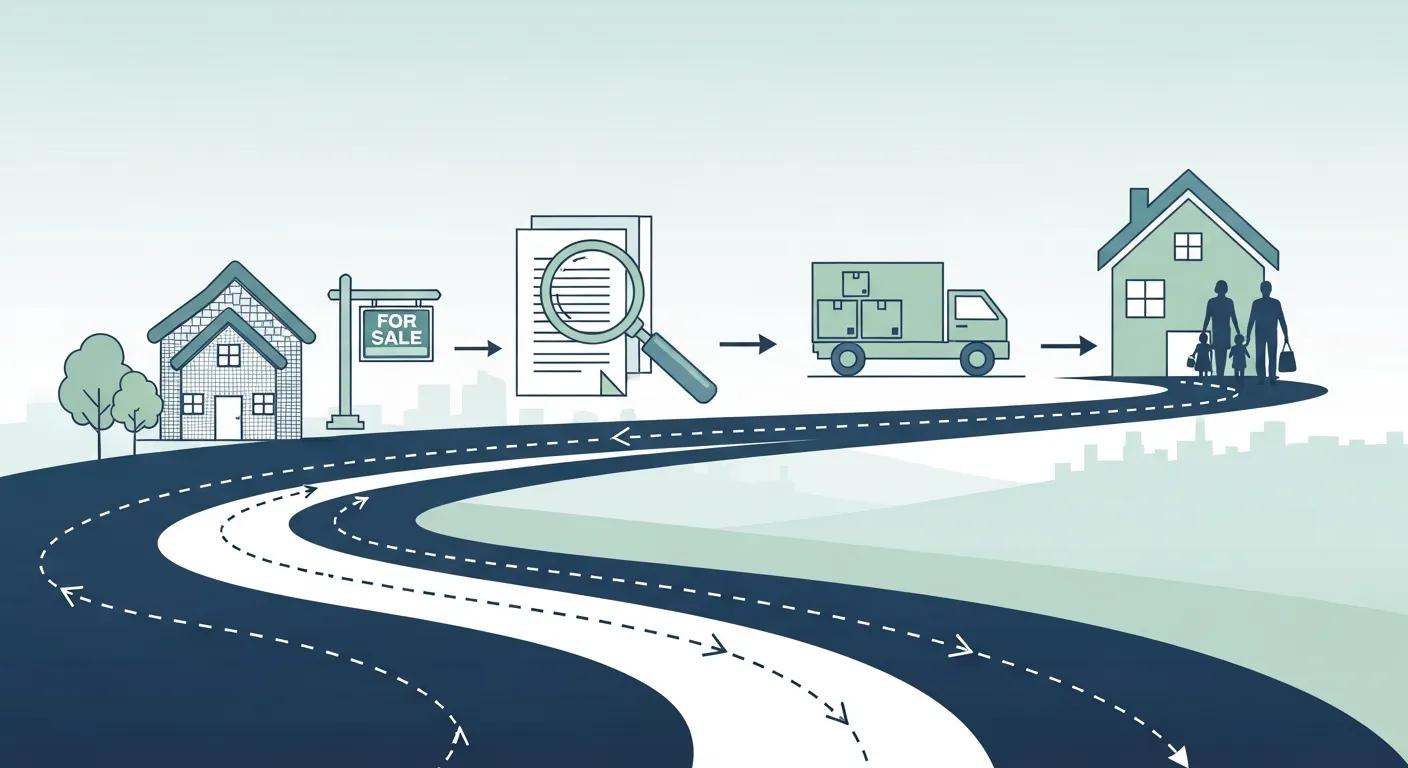
Selling a home is a structured real estate transaction that moves a property from preparation through marketing, negotiation, legal closing, and final handover, and this guide walks you through each stage so you know exactly what to expect. You will learn the typical timeline for Orangeville and surrounding markets, practical preparation steps to maximize value, modern marketing techniques that increase exposure, how to evaluate and negotiate offers, and the essential closing steps and post-sale logistics. This article is written to help sellers reduce uncertainty by defining each phase, explaining why it matters, and offering actionable checklists and evaluation tools you can use immediately. The guidance reflects current market considerations for Orangeville, Dufferin and Peel regions and highlights how modern tools and local expertise shorten days on market and improve net proceeds. Read on for a step-by-step roadmap of the home selling process, plus concise tables and checklists you can use to score decisions and prepare for a smooth closing. By choosing to list with Kevin Flaherty, you will benefit from an advanced marketing package, including a Video Narrated VR Animated Online Showing, designed to drastically improve exposure while cutting back on unnecessary showings.
How Does the Home Selling Timeline Unfold in Orangeville and Surrounding Areas?
The home selling timeline describes the flow from pre-listing preparation to closing, and it matters because accurate expectations reduce delays and improve negotiating position. Local market dynamics in Orangeville, Dufferin and Peel influence timing through seasonality, buyer demand, and financing cycles, so sellers benefit from planning buffers and coordinated agent support. Understanding typical stage durations helps you plan movers, legal appointments, and contingency windows, which reduces stress during offers and closing. Below is a concise, numbered timeline with typical durations and the primary seller actions tied to each step.
Pre-listing preparation: 1–3 weeks for decluttering, repairs, staging, and valuation.
Listing live and marketing: 3–9 days for publishing and initial exposure, depending on home complexity.
Showings: 1–3 weeks active showing period in typical markets; may be longer in slower seasons.
Offers and negotiation: 1–7 days to evaluate and counter; multiple offers can shorten decision time.
Conditional period (inspections/financing): 7–21 days depending on contingencies and inspections.
Closing and possession: 30–60 days from accepted offer to completion in many Ontario transactions.
These stage lengths vary with pricing, property condition, and marketing quality; understanding this variability leads to better preparation and timing for the next phase of preparing your home for sale.
Local agents sometimes compress overall timeline by combining parallel tasks and using advanced marketing; the [email protected] Home Selling System emphasizes coordinated preparation and targeted buyer outreach, including Video Narrated VR Animated Online Showings, to reduce average days on market in Orangeville and minimize unnecessary in-person showings. A short local example illustrates this: when pre-listing staging and targeted digital remarketing are aligned, qualified showings increase quickly and offer timing compresses, which accelerates progression from listing to accepted offer.
What Are the Key Stages in the Home Selling Process?
The key stages in the home selling process are preparing the property, valuing and pricing, marketing and listing, showings, offer evaluation and negotiation, conditional fulfilment, and closing with post-sale transition. Preparing the property includes decluttering, minor repairs, and staging to present a market-ready home that attracts top offers. Valuation and pricing require a comparative market analysis and strategic pricing psychology to position the home in the right price band for the target buyer pool. Marketing and listing combine professional photography, listing syndication, and targeted digital outreach to maximize visibility across MLS and buyer channels, with Kevin Flaherty's system leveraging Video Narrated VR Animated Online Showings to enhance this. Showings generate buyer feedback that informs negotiation strategy; proactive follow-up and remarketing convert interest into offers, with the advanced marketing package ensuring higher quality leads from the outset.
Evaluating offers demands scoring on price, terms, and contingencies while negotiation focuses on timing, conditions, and closing flexibility; during conditional periods the seller coordinates inspections and documentation to remove buyer friction. Closing mechanics finalize title transfer, legal adjustments, and key handover while the seller arranges movers and utility transitions for a clean possession. The next subsection explains how long each of those stages typically takes and what factors speed or slow them.
How Long Does Each Step Typically Take?
Duration for each step in a sale varies by local market health, price accuracy, and property condition, and knowing typical ranges helps sellers set realistic expectations. Pre-listing preparation often takes one to three weeks depending on repairs and staging needs; undervaluing this stage increases time on market. Active listing and primary marketing commonly produce offers within one to four weeks in balanced markets; overpriced listings can see substantially longer active periods. The conditional period, including financing and inspection, usually spans one to three weeks, though complex inspection findings or appraisal issues can extend this timeline.
Variables that accelerate the process include competitive pricing, high-quality photography and staging, and targeted buyer networks; variables that delay it include major repairs, restrictive conditions, or low demand seasons. By anticipating these factors and planning contingencies for moving and legal deadlines, sellers maintain control of timelines and reduce last-minute stress. Next, we cover actionable preparation steps to maximize value and appeal before going live.
How to Prepare Your Home for Sale to Maximize Value and Appeal
Preparing your home for sale means improving perceived value through condition, presentation, and accurate pricing, and these actions directly influence buyer interest and offer strength. Effective preparation begins with a reliable valuation, targeted repairs, and staging that highlights key selling features to align buyer perception with asking price. Pre-listing inspections and strategic curb improvements reduce buyer friction and can convert conditional offers into firm closings. The following checklist lists top preparatory actions sellers should prioritize before listing.
Declutter and depersonalize to create neutral staging that appeals to the widest buyer pool.
Complete targeted repairs and paint touch-ups to remove obvious objections and improve perceived condition.
Boost curb appeal with landscaping, pressure washing, and entry improvements to increase first-impression value.
Schedule professional photography and, if appropriate, a pre-listing inspection to provide buyer confidence.
Price based on a CMA and local market context to attract competitive offers quickly.
This checklist helps sellers focus on high-impact tasks that return value relative to cost; executing these items prepares the home for effective marketing and faster offers. The next subsection compares valuation methods and timelines to help you pick an an approach that balances speed and accuracy.
What Are Effective Home Valuation and Pricing Strategies?
Effective valuation and pricing strategies combine comparative market analysis (CMA), local market adjustments, and pricing psychology to set an attractive, defensible list price. A CMA reviews recent comparable sales, active listings, and expired listings to triangulate a price range that reflects current buyer demand in Orangeville and surrounding areas. Automated valuations provide quick benchmarks but lack local nuance, while a broker price opinion delivered by an experienced local agent incorporates neighborhood-specific adjustments and buyer behavior. Pricing tactics—such as setting a competitive entry price within a popular search band—encourage showings and can create multiple-offer scenarios when demand is high.
Below is a concise table comparing valuation approaches to guide your decision based on timeline, accuracy, and typical cost ranges.
Valuation methods explained and compared before listing.
ApproachTypical TimelineTypical Cost or EffortComparative Market Analysis (broker)1–3 daysLow (agent-provided)Automated Valuation Model (AVM)MinutesFree to low costBroker Price Opinion (detailed)2–7 daysModerate (agent time and research)
Choosing the right valuation method balances speed and local insight; using a broker-led CMA with neighbourhood comps usually yields the most accurate actionable price. Next we discuss how staging, curb appeal, and pre-listing inspections further reduce friction and increase the final sale price.
Get a free no obligation CMA for your home at https://flaherty.ca/homeeval
How Can Home Staging, Curb Appeal, and Pre-Listing Inspections Help?
Staging, curb appeal, and pre-listing inspections work together to elevate perceived value, reduce negotiation leverage for buyers, and shorten days on market when executed properly. Staging emphasizes the home’s best assets, helping buyers visualize living there, while cost-effective curb improvements increase initial online click-through rates and in-person enthusiasm. Pre-listing inspections identify repair items that might otherwise become negotiation points; addressing those issues upfront often yields stronger, cleaner offers. Cost-benefit examples show that modest staging and targeted repairs typically pay back many times the initial outlay through higher offers and faster closing timelines.
The importance of staging in influencing buyer perception and accelerating sales is well-documented in real estate literature.
Home Staging for Fast & Profitable Property Sales
Home staging is often confused with interior decorating, but in fact they are polar opposites. Staging involves a creating an effect a buyer will respond to, not a personal statement.
The Seductive Power of Home Staging: A Seven-Step System for a Fast and Profitable Sale, 2009
Staging and inspection benefits summarized for seller decision-making.
Preparation TaskCharacteristicExpected ImpactProfessional stagingVisual optimizationHigher buyer interest, quicker offersCurb appeal upgradesLow-cost exterior improvementsBetter first impressions, increased showingsPre-listing inspectionEarly defect identificationFewer surprises, more confident buyers
Sellers who combine accurate pricing with staged presentation and pre-listing inspections consistently experience smoother negotiations and cleaner closings. For sellers seeking direct support, the [email protected] Home Selling System offers free home evaluations and coordinated staging assistance to help prioritize high-ROI tasks before listing.
What Innovative Marketing Techniques Does the Flaherty.ca Home Selling System Use?
Modern marketing for real estate pairs professional listing media with data-driven distribution to reach qualified buyers quickly, and the Flaherty.ca Home Selling System integrates immersive and analytical tools to accomplish this. Key techniques include Video Narrated VR Animated Online Showings that extend property viewing beyond static photos, professional photography and video to create compelling listing narratives, MLS syndication for broad market exposure, and digital remarketing that re-engages interested buyers. The objective of this marketing stack is to increase online engagement, produce higher-quality leads, and shorten the time from listing to accepted offer by matching properties with motivated, qualified buyers through a buyer network and predictive analytics, while drastically cutting back on unnecessary in-person showings.
The table below compares marketing channels across reach, buyer engagement, and typical production time to help sellers understand trade-offs.
See details of the Flaherty.ca Team marketing plan at https://flaherty.ca/sellers
NOTE: there's a reason why other REALTORS® don't post their marketing plan anywhere!
Marketing ChannelReach / Buyer EngagementProduction TimeVideo Narrated VR Animated Online ShowingsHigh engagement; immersive tours; reduces unnecessary showingsModerate (production + animation)Professional photography & videoBroad reach; high click-throughShort (1–3 days)MLS syndicationMaximum market exposureImmediate after uploadTargeted digital remarketingRe-engages interested audiencesShort setup; ongoing campaign
This comparison shows how combining immersive Video Narrated VR with MLS visibility and remarketing produces both broad reach and deeper buyer interaction, improving qualified showing rates and ensuring only serious buyers request in-person visits. The next two subsections explain how Video Narrated VR Showings and professional photography function within the overall strategy and their measurable benefits.
How Do Video Narrated VR Animated Online Showings Enhance Property Exposure?
Video Narrated VR Animated Online Showings create an immersive buyer experience by simulating a walkthrough that highlights flow, scale, and layout, which increases online time and buyer qualification while drastically cutting back on unnecessary in-person showings. The mechanism is simple: the VR format allows buyers to visualize spatial relationships that photos alone cannot convey, making it easier for distant or time-constrained buyers to self-qualify before requesting an in-person showing. Measurable benefits often include longer average session times on listing pages and higher conversion rates from view to showing request, which means fewer low-quality showings and a higher proportion of ready-to-offer buyers. For sellers, Video Narrated VR Showings reduce wasted appointments and concentrate attention from motivated buyers.
Academic research further supports the transformative potential of virtual reality in enhancing online property listings and buyer engagement.
Virtual Reality's Impact on Property Sales & Online Listings
Our work is based on China’s largest online real estate platform, similar to Zillow and Realtor in the US, where sellers can list their properties and provide property details through online listings. A virtual tour is a prerecorded video or animation that allows potential buyers to explore a property remotely.
Does virtual reality help property sales?
Empirical evidence from a real estate platform, Z Yan, 2025
Because immersive tours change buyer behavior, they are particularly valuable for unique floorplans or renovated properties where spatial perception drives value. The Flaherty.ca Home Selling System leverages Video Narrated VR alongside targeted buyer remarketing to funnel viewers into the local buyer network and generate qualified leads efficiently.
Why Is Professional Photography and MLS Listing Crucial for Selling Fast?
Professional photography and MLS listing are critical because they combine visual persuasion with maximum market access, and high-quality listing media consistently correlates with faster sales and stronger offers. High-resolution photos and well-produced video create emotional resonance and help listings appear prominently in search results and social feeds, while MLS syndication ensures every cooperating agent and buyer sees the property in standard market channels. Best practices for listing media include wide-angle shots for flow, staged rooms for scale, accurate light balance, and captioned highlights that call out upgrades and recent renovations.
High-quality media paired with effective MLS descriptions positions the property competitively and increases initial showing rates, which often leads to quicker offer cycles. Sellers who invest in superior photography and MLS-first exposure typically encounter stronger early interest and reduced time on market, improving negotiation leverage for subsequent offer evaluation.
How to Navigate Offers and Negotiate Successfully During the Selling Process
Navigating offers and negotiating effectively requires assessing both price and terms, understanding common buyer contingencies, and using tactics that preserve leverage while keeping the transaction on track. Sellers should evaluate offers using a scoring framework that weighs net proceeds, conditional clauses, financing strength, and proposed timelines to completion. Recognizing typical buyer contingencies—such as financing, inspection, and appraisal—is essential because contingencies change an offer’s certainty and risk profile. The following numbered list presents a simple offer-evaluation checklist sellers can use to compare competing proposals.
Compare net proceeds after commission and likely adjustments rather than headline price alone.
Score contingencies by risk level (inspection, financing, appraisal) and expected cure time.
Evaluate buyer financing evidence and proposed possession dates to ensure alignment with seller needs.
Consider escalation clauses, deposit amounts, and conditional timelines as part of total offer strength.
Using a structured checklist reduces emotional decision-making and highlights trade-offs between price and certainty. The next subsections unpack common contingencies and provide tactical counter-offer strategies sellers and agents commonly use to protect proceeds and timelines.
What Should Sellers Know About Buyer Contingencies and Multiple Offers?
Buyer contingencies are contractual conditions that must be satisfied before a sale becomes firm, and common examples include financing approval, home inspection outcomes, and appraisal results; these contingencies affect offer reliability and close probability. In multiple-offer situations, the strongest offer is not always the highest price—terms such as unconditional offers, larger deposits, shorter conditional periods, or waived minor contingencies can make a lower-priced offer more desirable. Sellers should request pre-qualification or proof of funds to assess financing strength and use a scoring rubric that assigns weight to price, deposit, conditional length, and buyer flexibility.
When multiple offers exist, transparent communication coordinated by your agent helps create competitive tension while protecting seller interests and legal obligations. The following subsection provides concrete negotiation strategies to translate evaluation into action.
What Are Effective Counter-Offer and Negotiation Strategies?
Effective counter-offer and negotiation strategies preserve leverage while addressing buyer concerns, and practical moves include conditional acceptance with firm timelines, targeted concession trading, and leveraging competing offers to improve terms. A seller might counter with a shorter inspection window in exchange for a slightly higher price, or request a larger deposit to strengthen buyer commitment when appraisal risk exists. Scripts and example language can help maintain clarity and professionalism—for instance, “We accept your offer pending a 7-day inspection clause and increased deposit to X,” which balances firmness with negotiability.
The intricate nature of real estate transactions often necessitates a strategic approach to negotiation, as highlighted by experts in the field.
Real Estate Negotiation Strategies & Techniques
The significance of negotiations on the real estate market is specified. Negotiations with a complex (multi-stage) process. Each stage requires specific strategies and techniques to achieve a successful outcome.
Strategies and Techniques of Real Estate Negotiation, 2018
Other tactics include setting an unconditional deadline for firm offers, using escalation clauses to allow price competition, and negotiating closing or possession dates to match seller moving plans. Skilled agents advise on when to concede and when to hold firm based on probability of backup offers and local demand; these decisions directly impact net proceeds and timeline certainty. Next, we examine closing documents, seller costs, and the tasks that complete a sale.
What Are the Essential Steps in the Closing Process and Post-Sale Transition?
Closing finalizes the legal exchange of property title and funds, and it involves coordinated tasks among the seller, buyer, lawyers, and agents to ensure a clean transfer of ownership on the scheduled completion date. Essential closing steps include preparing and delivering required legal documents, reconciling adjustments for taxes and utilities, coordinating the final walkthrough, and transferring keys and possession according to the agreement. Understanding typical seller-side closing costs and required paperwork prevents last-minute surprises and allows sellers to budget for net proceeds. The numbered list below outlines the primary closing steps and their sequence to help you prepare for the final weeks.
Confirm removal of all conditions and receive written confirmation from buyer’s counsel.
Arrange final documents with your lawyer and review the closing statement for adjustments.
Complete final walkthrough arrangements and ensure agreed repairs or inclusions are in place.
Transfer keys and utilities per the possession clause and confirm funds transfer on completion day.
These steps require collaboration between your agent and legal counsel to ensure accuracy and compliance with Ontario transaction norms; being proactive about documentation expedites the final transfer. The following subsections provide a clear table of legal documents and seller closing costs and a checklist for the final walkthrough and move logistics.
What Legal Documents and Seller Closing Costs Should You Expect?
Sellers typically provide or coordinate several legal documents such as the Agreement of Purchase and Sale, property disclosures, the deed/transfer documents, and closing statements; these verify the agreed terms and enable title transfer. Seller closing costs commonly include real estate commissions, legal fees, adjustments for prepaid taxes or utilities, and any agreed-upon repair credits; amounts vary by transaction but are predictable when accounted for in advance. The EAV table below summarizes common seller closing cost items with typical cost ranges and notes on responsibility to clarify expectations.
Typical seller closing costs and responsibilities for Ontario transactions.
Closing ItemTypical Cost RangeWho Pays / NotesReal estate commission4%–6% of sale price (varies)Seller pays per listing agreementLegal fees$500–$2,000Seller hires lawyer for closing documentsAdjustments (taxes/utilities)Varies by dateProrated between buyer and sellerRepair credits or holdbacksVariesAs negotiated in sale agreement
Planning for these items ahead of completion reduces last-minute funding needs and accelerates lawyer preparation for closing documents. The next subsection explains the final walkthrough and moving logistics sellers should manage before handing over keys.
How to Manage Final Walkthroughs, Key Handover, and Moving Logistics?
Managing the final walkthrough, key handover, and moving logistics requires a coordinated day-of timeline and clear communication with the buyer, movers, and your legal representative to avoid misunderstandings. The final walkthrough confirms that the property condition matches contract terms, agreed repairs are completed, and included items remain on site; make a checklist for the walkthrough to ensure all contract conditions are satisfied. Key handover protocols typically occur after the lawyer confirms funds have cleared and title transfer is recorded, so confirm the timing and method for keys and garage remotes in advance. Movers and utilities should be scheduled with buffer time; arrange final meter readings and confirm disconnection or transfer dates to prevent overlap or service interruptions.
A short day-of checklist helps keep the handover orderly and reduces the risk of forgotten tasks or items that could trigger disputes. The closing day is the last operational step in the transaction and sets the stage for a smooth possession transfer to the buyer.
Why Choose Kevin Flaherty and the Flaherty Team for Selling Your Home Fast in Orangeville?
Selecting a local agent and system that combines marketing technology with area knowledge improves outcomes, and Kevin Flaherty and the Flaherty Team present a blend of advanced marketing and buyer-network strategies designed for Orangeville and surrounding markets. Their Home Selling System emphasizes Video Narrated VR Animated Online Showings, data-driven remarketing, professional media, and targeted outreach to a dedicated buyer network, which together increase qualified showings and drastically reduce unnecessary in-person showings and overall time on market. The team’s local market expertise and resource hub provide sellers with free home evaluations, seller guides, and staging coordination to ensure listings are priced and presented for optimal response. For sellers seeking a consultative approach, the team offers a clear pathway from valuation to closing supported by analytics and local market insight.
What Unique Benefits Does the Flaherty.ca Home Selling System Offer?
The Home Selling System delivers concrete benefits such as faster exposure, higher-quality leads, and coordinated seller resources through a combination of Video Narrated VR Animated Online Showings, professional photography, MLS syndication, and predictive buyer remarketing. These components work together: immersive Video Narrated VR increases engagement, quality photos drive click-throughs, MLS ensures agent-wide visibility, and analytics focus outreach on buyers most likely to transact, while significantly reducing the need for numerous in-person showings. The system also connects sellers to a dedicated buyer network and leverages data mining and machine learning to refine prospecting, which improves qualified showing rates. Sellers see these advantages reflected in cleaner conditional periods and more competitive offers when technology and local market knowledge are aligned.
This technology-driven approach is especially effective for sellers who want measurable marketing outcomes and a coordinated plan to convert online interest into firm offers.
How Does Local Expertise and Client Testimonials Build Trust?
Local expertise reduces pricing and timing risk by applying neighborhood-level knowledge of comparable sales, buyer preferences, and seasonal patterns, and that expertise becomes more effective when backed by client testimonials and documented sold results. Client testimonials and solds pages demonstrate the team’s track record in Orangeville and surrounding areas, helping prospective sellers judge expected outcomes and process reliability. Social proof and localized case studies shorten the seller’s decision process by showing how the system performed on similar properties under comparable market conditions. For sellers, aligning with a team that combines technical marketing tools and local negotiation experience reduces uncertainty and increases the probability of a smooth, successful sale.
If you are preparing to sell, consider a market evaluation and consultation to match preparation, marketing, and negotiation strategies to your goals using an organized Home Selling System and local market guidance from Kevin Flaherty and the team.
Frequently Asked Questions
What should I do if my home doesn't sell within the expected timeline?
If your home doesn't sell within the anticipated timeline, it's essential to reassess your strategy. Start by reviewing your pricing; an overpriced home can deter potential buyers. Consider enhancing your marketing efforts, such as updating listing photos or increasing online visibility through targeted ads, especially leveraging advanced tools like Video Narrated VR Animated Online Showings. Additionally, consult with your real estate agent to identify any necessary repairs or staging improvements that could make your home more appealing. Flexibility in negotiations and being open to feedback can also help in adjusting your approach to attract buyers.
How can I handle low offers from potential buyers?
Receiving a low offer can be disheartening, but it's important to remain calm and strategic. First, evaluate the offer against your pricing and the current market conditions. You can respond with a counter-offer that reflects your expectations while considering the buyer's position. Providing a rationale for your price, such as recent comparable sales or unique features of your home, can strengthen your negotiation. If the buyer is serious, they may be willing to negotiate further. Always consult with your agent for tailored advice on how to proceed.
What are the common mistakes sellers make during the selling process?
Common mistakes include overpricing the home, neglecting necessary repairs, and failing to stage the property effectively. Sellers often underestimate the importance of first impressions, which can be improved through proper staging and curb appeal enhancements. Additionally, not being flexible with showings or negotiations can limit buyer interest. Another frequent error is not adequately preparing for the closing process, leading to last-minute complications. Working closely with a knowledgeable real estate agent can help avoid these pitfalls and ensure a smoother selling experience.
How can I ensure a smooth closing process?
To ensure a smooth closing process, start by organizing all necessary documents well in advance, including the Agreement of Purchase and Sale, property disclosures, and any repair receipts. Communicate regularly with your real estate agent and lawyer to confirm that all conditions are met before closing day. Schedule the final walkthrough to address any last-minute issues and ensure that all agreed-upon repairs are completed. Finally, confirm the timing for key handover and utility transfers to avoid any disruptions on the closing day.
What should I know about seller closing costs?
Sellers should be aware of various closing costs that can impact their net proceeds. Common expenses include real estate commissions, which typically range from 4% to 6% of the sale price, legal fees for document preparation, and adjustments for prepaid taxes or utilities. It's crucial to budget for these costs ahead of time to avoid surprises at closing. Understanding these expenses allows sellers to plan effectively and ensures they have sufficient funds available for the transaction's final stages.
How can I leverage technology to sell my home faster?
Leveraging technology can significantly enhance your home-selling process. Utilize professional photography and Video Narrated VR Animated Online Showings to create engaging online listings that attract more potential buyers and significantly reduce the number of unnecessary in-person showings. Implement targeted digital marketing strategies, such as social media ads and email campaigns, to reach a broader audience. Additionally, consider using data analytics to identify trends and optimize your pricing strategy. By integrating these technological tools, you can increase visibility, generate higher-quality leads, and ultimately sell your home faster.
What role does a real estate agent play in the selling process?
A real estate agent plays a crucial role in the home-selling process by providing expertise and guidance at every stage. They assist with pricing your home accurately based on market analysis, help prepare your property for sale, and implement effective marketing strategies to attract buyers, including advanced options like Video Narrated VR Animated Online Showings. Agents also facilitate showings, negotiate offers, and manage the closing process, ensuring all legal requirements are met. Their local market knowledge and negotiation skills can significantly enhance your chances of a successful sale, making their support invaluable.
About Kevin Flaherty
See the best marketing plan that gets top dollar faster
Why photos alone undersell your home
Pricing Strategy for Town, Village, and Rural Homes
Smart Upgrades to Consider for Maximizing Your Home's Resale Value
Selling Your Home vs. Downsizing: A Senior's Guide
Understanding Closing Costs to Sell Your House
Orangeville Real Estate Agents: Which One to Choose?
Selling vs. Renting: What’s Best for You?
Real Estate Agents Orangeville for Quick Home Sales
Understanding the Home Selling Process in Dufferin
What Makes The Best Real Estate Agent for A Seller
Find the Best Real Estate Agents Near Me for Local Property Buying and Selling
