What are the main benefits of downsizing in retirement?
Potential benefits include less maintenance, fewer unused rooms, a simpler routine, more travel flexibility, improved accessibility, and the possibility of releasing equity. The move is beneficial only when the next home, total costs, location, and emotional tradeoffs improve your overall retirement life.
Does downsizing in retirement always save money?
No. A smaller home can still have meaningful condominium fees, land-lease charges, rent, property taxes, utilities, insurance, parking, storage, or transportation costs. Compare complete monthly costs and one-time selling, buying, and moving expenses before treating the move as financial savings.
How can I estimate the equity I may unlock by downsizing?
Start with a realistic expected sale price, then subtract secured debt, selling compensation, legal costs, mortgage costs, preparation, repairs, moving, and closing adjustments. Subtract the next-home price and purchase costs to estimate what may remain. Confirm the figures with the appropriate professionals.
What should I do with the equity released from my home?
That is a personal financial and tax decision. Separate the amount required for the next home, transaction costs, emergency savings, and near-term spending before discussing the remaining funds with a qualified financial or tax professional. Do not treat a gross sale price as available retirement capital.
Can a smaller home reduce retirement stress?
It can when the current property creates ongoing work, repair uncertainty, unused space, or worry while you are away. Stress may increase temporarily during sorting and moving, so the strongest plan allows enough time, help, and financial flexibility to avoid rushed decisions.
What are the emotional disadvantages of downsizing?
You may grieve the loss of a familiar home, neighbourhood, garden, gathering place, or possessions connected to important memories. Family members may also have different feelings. Acknowledge those losses and preserve meaningful items, photographs, stories, and relationships rather than pretending the move is purely practical.
When is the best time to downsize in retirement?
The best time is often while you still have the health, energy, finances, and options to choose the destination and transaction sequence. It may be earlier than you expected if home maintenance is limiting the retirement you want, but there is no universal age or calendar date.
Should I downsize before or after I retire?
Either can work. Moving before retirement may let you settle costs and routines while employment income is still available. Moving afterward may give you a clearer picture of how you spend your time. Compare financing, timing, energy, and the availability of the right home.
What is the first step if I am only considering downsizing?
Define what you want to gain, then establish a realistic current-home value and estimated net proceeds. Kevin Flaherty can provide a no-obligation home evaluation so you can compare future housing choices with the property you may eventually sell.
How much smaller should my next home be?
Choose by function rather than a percentage. Measure the furniture, hobbies, pets, guests, vehicles, work areas, accessibility needs, and storage you intend to keep. A home that is too small may create ongoing storage costs or frustration, while one that is still too large may preserve the same maintenance burden.
How do I compare the monthly costs of my current and future homes?
List mortgage or rent, property tax, insurance, utilities, maintenance, repairs, condominium or community fees, parking, storage, and transportation for both homes. Kevin Flaherty can help organize the housing information, while lenders, insurers, lawyers, accountants, and community documents provide transaction-specific figures.
What selling costs should I include in a downsizing budget?
Potential costs include agreed real-estate compensation, legal services, mortgage discharge or prepayment costs, preparation, repairs, moving, storage, disposal, and closing adjustments. Kevin Flaherty can explain the proposed selling plan and help assemble a realistic estimate rather than relying on a generic percentage.
What buying costs should I include for the next home?
Plan for the deposit, down payment, Ontario land transfer tax where applicable, legal services, title insurance, inspections or specialists, lender costs, adjustments, moving, setup, immediate work, and furnishings. Obtain current advice for the property and ownership model you are considering.
Is moving to a condo the same as downsizing?
No. Downsizing describes reducing space, cost, work, or complexity. Condominium describes a legal ownership and governance structure. A condo can be large, expensive, or maintenance-intensive, while a smaller freehold, rental, life-lease, or land-lease home may also serve a downsizing goal.
Is a 55 plus community a good downsizing option?
It can be when the location, home style, ownership model, fees, rules, amenities, social environment, and resale considerations fit your plans. Do not assume every adult-lifestyle community has the same age policies, services, maintenance, costs, or purchase structure.
How should accessibility affect my downsizing decision?
Consider entrances, stairs, thresholds, door widths, bathrooms, bedrooms, laundry, parking, waste areas, winter access, elevators, emergency planning, and proximity to services. Test the complete daily route rather than judging accessibility from one room or a listing description.
What should I keep when moving to a smaller home?
Keep the belongings that support your current life, next-home dimensions, important memories, safety, hobbies, and realistic guest needs. Measure first, sort by category, photograph sentimental items when helpful, and assign destinations for items you will sell, donate, give to family, recycle, or discard.
Should I renovate my current home instead of downsizing?
Renovating may make sense when the location, costs, support network, and layout can be adapted without preserving an unwanted maintenance burden. Kevin Flaherty can help compare the likely resale and preparation implications, while qualified contractors and advisers assess feasibility and cost.
Should I sell my home before buying the next one?
Selling first can establish your available equity and reduce the risk of carrying two homes. Buying first may secure a property that is difficult to replace, but it requires verified financing and a carrying-cost plan. The safest sequence depends on the market, property, conditions, and your risk tolerance.
How long should I allow for a retirement downsizing move?
The timeline depends on sorting, home preparation, market conditions, financing, next-home availability, conditions, and closing dates. Kevin Flaherty can help establish the preferred sequence early so the sale, purchase, and move are coordinated rather than improvised.
How can Kevin Flaherty help with the downsizing process?
Kevin Flaherty can evaluate the current home, recommend preparation priorities, build the marketing plan, estimate net sale proceeds, help define the next-home brief, and coordinate the transaction sequence with lawyers, lenders, inspectors, movers, and other professionals.
How does Kevin market a home being sold for downsizing?
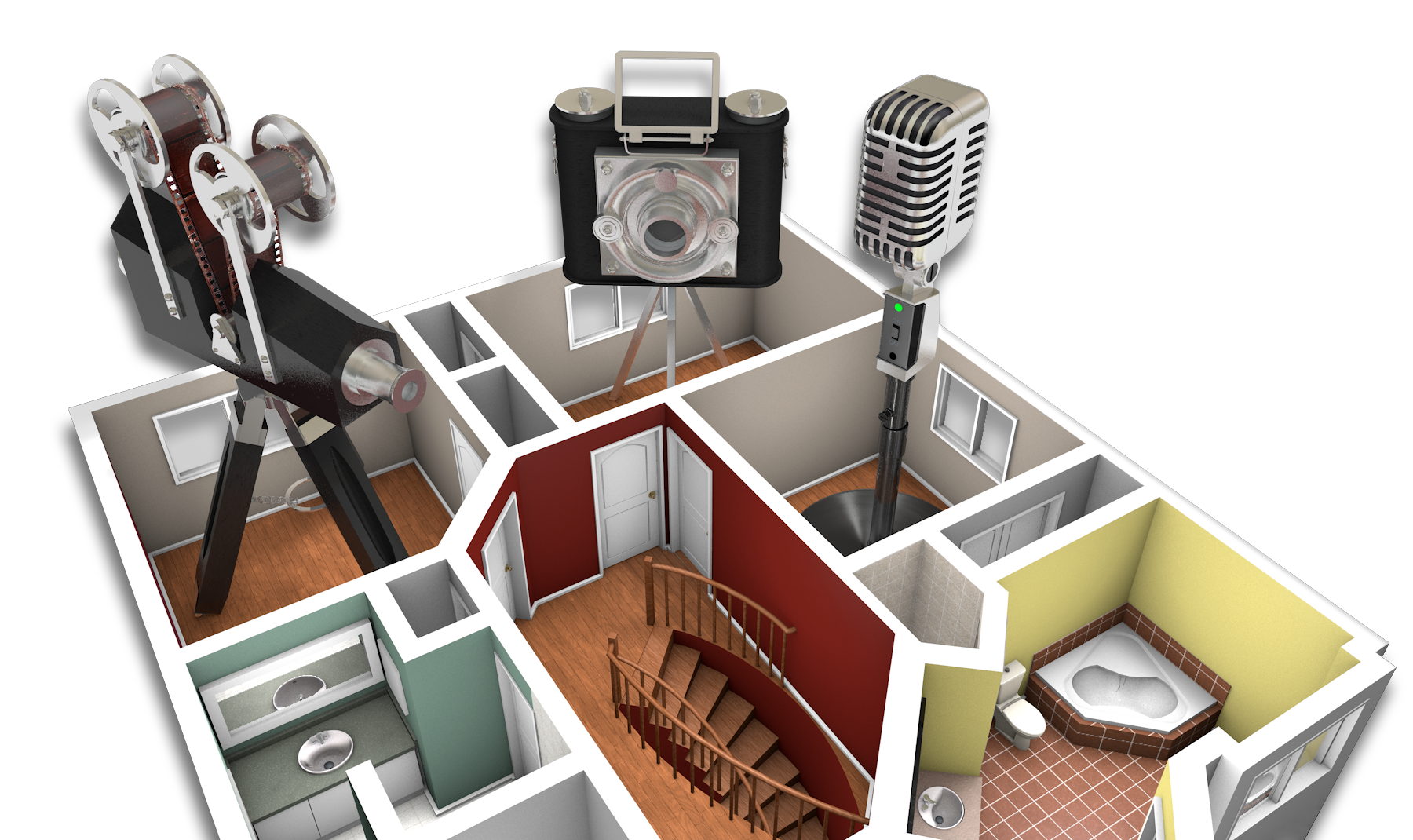
Kevin Flaherty uses Video Narrated VR Animated Online Showings to explain the layout, features, upgrades, and surrounding area before buyers decide whether to visit. The goal is stronger digital presentation, clearer buyer understanding, and more qualified physical showings.
Where can I compare Ontario adult and retirement community options?
AdultCommunities.ca provides Ontario-wide community discovery, ownership, cost, location, and decision guides. Kevin Flaherty can help connect those housing options to the value, preparation, timing, and sale of your current home.
What professional advice may be needed before downsizing?
Depending on the move, you may need a Realtor, real-estate lawyer, lender or mortgage broker, accountant or tax adviser, financial planner, insurer, inspector, contractor, mover, and condominium or community representative. Each professional should advise only within their area using current documents and figures.