What is the short answer for Mono sellers?
Do not renovate first. Document and de-risk the rural property first, then complete only the repairs that improve buyer confidence, safety, photography, or financing.






Usually, start with essential repairs, rural-service records and clean presentation before committing to a major cosmetic renovation. Compare each project’s cost, timing and likely buyer appeal with a property-specific selling plan; no renovation guarantees its cost back.
I have helped south-central Ontario homeowners sell since 1988. In Mono, the right pre-listing work is less about copying suburban renovation advice and more about proving the property is safe, understandable, accessible, and well documented before buyers start calculating risk.
If you own a Mono property, the smartest pre-sale question is not, “Should I renovate the kitchen?” It is, “What could make a rural buyer, lender, insurer, inspector, or lawyer hesitate?” Mono wraps around Orangeville to the north and east, and its property mix is fundamentally rural: estate subdivisions, rolling acreages, hobby farms, conservation-area homes, wooded lots, long driveways, private services, and lifestyle features that suburban renovation guides do not properly price.
That is why this page takes a different approach from the Shelburne and Caledon renovation guides. Shelburne sellers often need a subdivision price-ceiling and cosmetic-ROI framework. Caledon sellers often need a dual-market strategy across commuter subdivisions, villages, heritage homes, estate properties, and equestrian pockets. Mono sellers need an infrastructure-first rural readiness plan: document what buyers cannot see, fix what creates risk, photograph what creates desire, and skip projects that create cost without confidence.
Do not renovate first. Document and de-risk the rural property first, then complete only the repairs that improve buyer confidence, safety, photography, or financing.
Well water, septic, WETT/fireplace, propane, driveway access, drainage, outbuildings, permits, conservation context, and clear maintenance records matter before decorative upgrades.
A modest cosmetic refresh can help presentation when it addresses visible wear without creating delay or taste risk. Compare paint, lighting, cleaning and minor repairs with actual quotes; no project has a universal return.
Skip full kitchen and bathroom rebuilds, speculative barn conversions, new pools, unnecessary paving, major landscaping, and any permit-dependent project that could delay listing.
Kevin compares your property with current Mono competition, likely buyer expectations, inspection risk, and market data, then separates confidence-building work from renovations buyers may not repay.
TRREB’s August 2026 Dufferin regional report records 8 Mono sales, with an average price of $1,225,063, a median of $1,278,750, 17 new listings, 74 active listings, average listed days on market (LDOM) of 42 and an average sale-to-list-price ratio of 94%. All eight reported sales were detached homes; that does not describe the township’s entire housing stock. With so few sales, the mix of properties can strongly affect the averages.
| Area | Period | Sales | Average price | Median price | New listings | Active listings | Avg. LDOM | Avg. SP/LP |
|---|---|---|---|---|---|---|---|---|
| Mono | August 2026 | 8 | $1,225,063 | $1,278,750 | 17 | 74 | 42 | 94% |
| Dufferin County | August 2026 | 62 | $831,398 | $757,378 | 161 | 458 | 49 | 96% |
| Orangeville | August 2026 | 28 | $755,759 | $755,378 | 59 | 143 | 46 | 97% |
Dufferin County and Orangeville provide regional context, not substitutes for Mono comparables. These aggregate sales statistics do not measure renovation returns or show what a specific home will sell for. Review similar sold properties, current competitors and actual contractor quotes before committing to work.
Source: Toronto Regional Real Estate Board, Dufferin_202608.pdf, August 2026 tables, physical PDF pages 2 (county), 7 (Mono) and 9 (Orangeville). Figures cover firm transactions entered in the TRREB MLS® System; active listings are month-end inventory. The supplied Dufferin report is the source for the local figures above. For broader regional context, read TRREB Market Watch — August 2026 (PDF). That regional report has different coverage and is not the source for the Mono figures in this table.
Before spending money, test every project against one question: will this reduce uncertainty for the buyer who is evaluating private services, land, access, lifestyle use, and resale risk? If yes, it may be worth doing. If no, it is probably a personal-preference renovation that should be skipped or handled through price.
Well, septic, propane, WETT, permits, survey, outbuilding use, conservation context, and maintenance history should be organized before showings create questions.
Long driveways, gates, gravel roads, stairs, decks, barn doors, outbuilding lighting, drainage, and basement access matter because they shape the showing and inspection experience.
Compare useful paint, lighting, cleaning, safe access and maintenance work with major remodels. Buyer appeal and financial return depend on the property, work and actual cost.
As an illustrative comparison, a $6,000 preparation budget and a $60,000 renovation budget deserve different scrutiny. Neither is a recommended quote or a return forecast. First identify safety, maintenance, documentation and presentation needs, then compare property-specific quotes and likely buyer appeal.
Review appropriate well tests, septic maintenance history, wood-burning appliance reports, mechanical service, leaks, safe access and outbuilding condition. Clean and brighten the home, gather records, and confirm applicable permissions before grading, clearing or structural work. Septic inspection or pumping should reflect condition, history, professional advice and any agreement requirements.
Full kitchen rebuilds, luxury bathroom remodels, new pools, major landscaping, unnecessary driveway paving, speculative barn conversions, hobby-farm improvements for a buyer you have not met, and any permit-dependent work that could delay listing.
Cost ranges below are illustrative planning examples inherited from the worksheet, not verified local averages or quoted fees. Obtain current property-specific quotes. Possible benefits are qualitative; no financial return is promised.
| Item | Illustrative budget | Possible benefit | Decision | Mono Reason |
|---|---|---|---|---|
| Well water test and treatment records | $50–$400 | Water-system records | Do | Reduces rural buyer uncertainty quickly. |
| Septic record organization / inspection where needed | $0–$700+ | Maintenance information | Do selectively | Best when age, capacity, or disclosure risk exists. |
| WETT inspection for wood-burning appliance | $250–$600 | Written inspection report | Do | Confirm the insurer’s report scope and timing; a report does not guarantee financing or insurance. |
| Driveway grading and pothole repair | $500–$3,500 | Access and presentation | Do | Access matters for rural showings and winter confidence. |
| Outbuilding safety and water repairs | $500–$8,000 | Safety and condition | Do selectively | Fix safety and leaks, not cosmetic perfection. |
| Neutral paint in main rooms | $1,500–$7,500 | Presentation potential | Do | Improves photography and perceived care. |
| Full kitchen renovation | $40,000–$120,000 | Taste and cost risk | Usually skip | Buyers may prefer their own finishes. |
| Luxury bathroom rebuild | $20,000–$60,000 | Taste and cost risk | Usually skip | Refresh visible wear instead of rebuilding. |
| New pool or major landscape build | $50,000+ | Maintenance and taste risk | Skip | Can add maintenance concern, not universal value. |
| Paving a long rural driveway | $25,000–$100,000+ | Cost and buyer-fit risk | Usually skip | Grade, drain, and tidy instead. |
Public Health Ontario’s well-water guidance covers E. coli and total coliforms. Bacterial results do not establish chemical safety; ask your local public health unit about chemical testing and interpretation. For wood-burning appliances, obtain a written report from a WETT-certified professional and confirm your insurer’s required scope and timing.
Maps, aerial photographs and visible markers do not establish legal boundaries; seek appropriate survey and title advice. Check applicable permissions with the Town of Mono and relevant authorities before clearing, grading or structural work. Nearby trails or facilities do not automatically grant access or membership.
Record fixtures, chattels, appliances, equipment, rentals and exclusions clearly in the purchase agreement. RECO’s buyer checklist explains why inclusions need attention.
These six videos explain preparation, inspection questions, marketing, agent selection and why some listings do not sell. Use them alongside a property-specific assessment before spending.
Kevin Flaherty explains how pricing, preparation, online exposure, and negotiation work together to help sellers get top dollar.
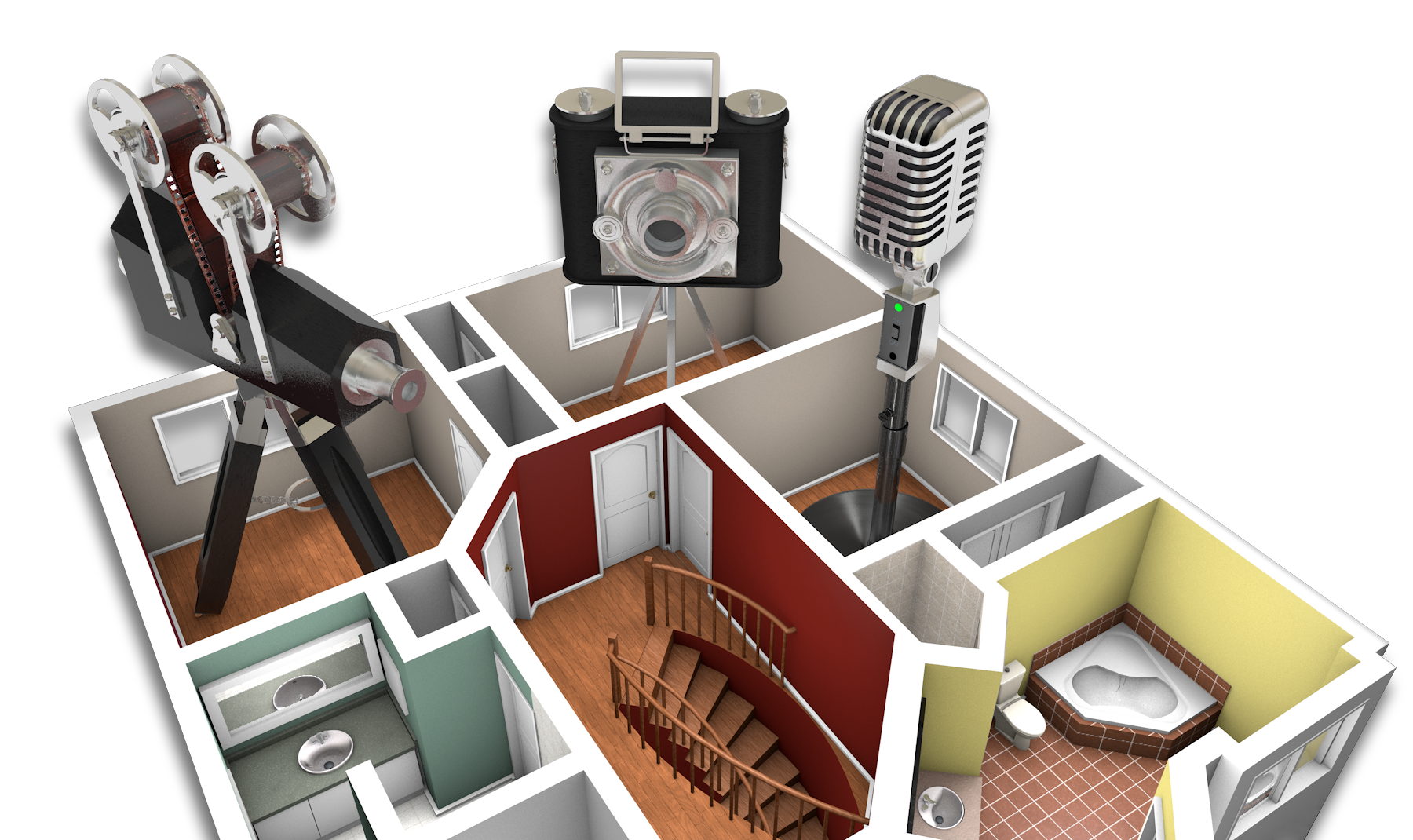
A sample of the video-narrated VR animated online showing system that helps buyers understand a property's layout, features, and setting before booking a visit.
Kevin Flaherty explains the due-diligence questions sellers should ask before choosing an agent to market and negotiate their sale.
Kevin reviews common reasons a listing sits on the market, including price, presentation, exposure, buyer objections, and follow-up strategy.
An overview of Kevin Flaherty's home selling system and how layered marketing supports stronger seller outcomes.
Kevin explains what building inspectors look for, how to prepare your home, and which issues are most likely to concern buyers during the inspection process.
Mono’s neighbourhoods, hamlets and estate pockets differ in property type, land use and access. Compare the actual property with suitable alternatives rather than assuming one renovation approach fits every location. The complete community links appear in the resources below.
| Mono Area | Likely Buyer | Prioritize | Skip |
|---|---|---|---|
| Purple Hill / Cardinal Woods / Fieldstone / Starrview Acres | Estate-subdivision buyers | Presentation, systems, landscaping edges, interior scale, clean garages | Skip taste-specific luxury rooms that exceed local expectations. |
| Hockley Valley / Hockley Village / Mono Centre / Mono Cliffs | Lifestyle, acreage, trail, and privacy buyers | Access, well/septic confidence, driveway, drainage, views, outbuildings | Skip urban-style renovations that ignore land utility. |
| Camilla / Island Lake Estates / Watermark Village | Orangeville-adjacent and family-lifestyle buyers | Move-in cleanliness, light, layout clarity, inspection confidence | Skip overbuilding beyond buyer pool and nearby comparables. |
Near Mono Cliffs and other conservation-influenced settings, the right story may be privacy, trails, views, and protected landscape. The wrong story is an unfinished renovation that leaves buyers wondering whether permits, setbacks, or conservation rules were respected. Confirm local context through the Town of Mono and broader Dufferin County resources when needed.
Keep your project list, rural-property records, illustrative budget and preparation plan together before speaking with contractors.

Project returns vary with the property, work and cost. The cover figures are not a property-specific return forecast.
Use these six phases and 36 checks to plan your preparation. Review rural records and essential repairs before cosmetic work. The guide’s 60–90-day sequence is an illustrative preparation plan, not a promised sale or closing schedule.
Mono properties often need explanation. Buyers want to understand the house, acreage, outbuildings, driveway flow, views, privacy, mechanical spaces, and nearby amenities before they commit to a rural showing. The Flaherty Team’s Video Narrated VR Animated Online Showings help explain rooms with and without furniture, layout, measurements, features and surroundings before a visit. Confirm measurements and property details for the actual listing; visual presentation does not establish legal boundaries.
Gates, pets, livestock, snow, long driveways and outbuildings can complicate showings. Online information helps buyers assess whether a property fits their needs before requesting a visit; it does not guarantee buyer seriousness or financial qualification. The team also uses syndication, buyer targeting and re-marketing to build exposure beyond a basic MLS listing.
Buyers arrive with a clearer understanding of layout, land, outbuildings, and key selling features.
Video can explain features a photo cannot, including driveway approach, room flow, acreage use, and location context.
Online detail can reduce unnecessary showings from buyers who are not a match for a rural Mono property.
Preparation, pricing, timing, and marketing work together. Use these internal Mono resources before deciding whether to renovate or list as-is.
Renovation strategy changes across Mono's neighbourhoods, hamlets, and estate pockets. Explore the local pages below before deciding what to fix or skip.
Usually, Mono sellers should not start with a major renovation. Start with rural due diligence: well water, septic documentation, WETT/fireplace confidence, propane records, driveway access, outbuilding safety, and clean presentation. Buyers of estate homes, acreages, hobby farms, and conservation-area properties price unknown risk aggressively. If a project removes uncertainty and photographs well, it may be worth doing. If it simply reflects your personal taste, price the home correctly and let the next owner choose the finish.
Mono is a rural Dufferin township north and east of Orangeville, so the renovation question is driven by infrastructure and acreage confidence. A Shelburne subdivision buyer may focus on cosmetic finishes, while a Mono buyer is often evaluating septic capacity, well flow, WETT status, propane tank ownership, outbuilding condition, long driveway maintenance, drainage, gates, privacy, and conservation restrictions.
Begin with property-specific safety, maintenance and record needs: appropriate water testing, septic history, mechanical service, leaks, safe access and outbuilding condition. Confirm applicable permissions before grading, clearing or structural work. Records may assist a lender’s or insurer’s review but do not guarantee approval.
A full kitchen renovation is rarely the first choice unless the kitchen is damaged, functionally poor, or far below the rest of the property. Mono buyers often accept dated finishes if the acreage, privacy, systems, and layout are strong. A lighter refresh, such as deep cleaning, hardware, lighting, counters only when necessary, and neutral paint, is usually safer than spending $50,000 to $100,000 on taste-specific finishes.
Do not replace a septic system simply to make a listing look newer. If there is evidence of failure, get professional advice before listing. If the system appears functional, Kevin usually prefers gathering available records, documenting pump-outs, making access lids findable, and being ready for buyer due diligence. A pre-listing septic inspection may help when there are age, capacity, or disclosure concerns.
Review the well’s testing history and any agreement or lender requirements. Public Health Ontario tests bacterial indicators E. coli and total coliforms, not chemical contaminants. Bacterial results do not establish chemical safety. Ask your public health unit about chemical testing and interpretation, and organize well and treatment-system records.
For a wood-burning appliance, ask a WETT-certified professional about a written inspection report and confirm your insurer’s required scope and timing. WETT certifies people, not appliances or installations. A report documents findings at the inspection; it does not guarantee insurance, financing or the absence of later issues.
Usually no. Long rural driveways can be expensive to pave, and not every buyer wants asphalt. Instead, grade the driveway, fill potholes, improve drainage, trim branches, make the entrance easy to identify, and ensure the driveway photographs and drives well. A buyer will value safe access more than an expensive finish that may not suit their future use. Check applicable permissions before grading, drainage work or clearing.
Repair safety, access, and obvious water issues first. Buyers will notice unstable stairs, roof leaks, exposed wiring, broken doors, poor lighting, and muddy approaches. Kevin does not recommend turning every barn or shed into a showcase, but he does recommend making outbuildings safe, dry, organized, and easy to understand.
There is no universal renovation return for Mono properties. Review essential maintenance, safe access, rural-service documentation and visible presentation needs first. Compare each project’s actual quote, timing and buyer fit with similar sold properties; the market table does not measure renovation ROI.
Skip major kitchen remodels, taste-specific luxury bathrooms, expensive landscaping that requires maintenance, new pools, unnecessary paving, speculative barn conversions, hobby-farm upgrades for animals you do not currently keep, and renovations that require permits you cannot complete before listing. Buyers rarely pay full value for a seller's personal design choices.
Set the budget after a property-specific review, not from the township average price. A $4,000–$12,000 preparation budget is an illustrative planning example, not a typical fee or recommendation for every seller. Obtain actual quotes and distinguish essential repairs from optional cosmetic work.
Staging helps when the home has empty rooms, awkward scale, or a layout that is hard to understand online. For acreage properties, Kevin often combines careful preparation with video-narrated VR animated online showings so buyers understand room flow, land features, outbuildings, driveway access, and the surrounding location before they book a showing.
They care about both, but land and infrastructure often set the confidence level. A buyer may forgive dated counters if the property has privacy, a good layout, usable acreage, strong well/septic confidence, and clean outbuildings. The same buyer may walk away from a beautifully renovated home if the driveway, drainage, septic, water, or wood-burning appliance raises unanswered questions.
Yes, if there are open permits, unfinaled work, additions, decks, finished basements, secondary structures, or major mechanical changes, investigate them early. Kevin Flaherty advises sellers to solve documentation questions before the offer stage whenever possible, because uncertainty can become a lender, insurer, or lawyer concern.
Treat conservation context as a disclosure and education issue, not as a cosmetic renovation problem. Gather surveys, site plans, permits, conservation correspondence, and any information about regulated areas, setbacks, or permitted uses. Buyers who love Mono often value protected land, but they need to know what they can and cannot do.
Address obvious safety and function problems, especially where pets, livestock or secure access matter. Confirm applicable permissions before clearing or changing structures. Fences, gates, maps and aerial images do not establish legal boundaries; seek survey and title advice as appropriate.
Yes, when paint makes the home feel clean, bright, and neutral. Kevin Flaherty recommends painting high-visibility areas that affect photography: entry, kitchen, main living spaces, primary bedroom, and worn trim. Painting remote rooms or outbuildings usually matters less unless they currently signal neglect.
Replace flooring only when it is badly stained, damaged, odorous, or inconsistent with the expected price range. Hardwood refinishing can be worthwhile. Full replacement across a large rural home can become expensive quickly, and buyers may prefer to choose their own material after moving in.
TRREB’s August 2026 report records 8 Mono sales, a $1,225,063 average price, a $1,278,750 median, 17 new listings, 74 active listings, average LDOM of 42 and average SP/LP of 94%. The small sales sample and property mix limit generalization. These figures provide market context, not renovation-return evidence or an individual valuation.
The guide’s 60–90-day sequence is an illustrative preparation plan. Actual time depends on property condition, records, contractor availability, permits, testing and weather. Allow for your property’s requirements; this is not a promised selling or closing schedule.
Yes. Kevin can review the property, comparable sales and current competition, then help distinguish essential repairs and useful presentation work from optional projects. That discussion can inform your spending decision; it does not guarantee cost recovery or a sale price.
Professional photos are essential, but acreage buyers often need more context than photos alone can provide. Kevin's video-narrated VR animated online showings can explain layout, land features, outbuildings, views, driveway flow, and location benefits so online buyers are better informed before they request a showing.
An as-is strategy may be appropriate where major work is impractical before listing. Compare repair quotes, timing and property-specific pricing with your representative. Present the condition honestly, disclose known material defects as required and get advice on the agreement; an as-is label is not a blanket release from disclosure obligations.
Kevin's experience and marketing team sold my home over asking price in one day. The house was sold before it even went on MLS. We did not have to go through open houses or multiple viewings. The professional videos his team produces are amazing.
— Brian Masulka · Google review · Dufferin County · Read client reviews
The property was listed and sold with second viewing within two days at more than the asking price. The closing dates of this place and the new purchase matched perfectly. Kevin and his team were the epitome of skill and efficiency.
— Norma Soul · Google review · Dufferin County · Read client reviews
These are individual Dufferin County seller experiences, not forecasts of your renovation return or selling outcome.
Flaherty Team on Google: 5.0/5 from 61 reviews — Google Business Profile.
Kevin Flaherty on RankMyAgent: 4.96/5 from 52 verified reviews — RankMyAgent profile.
Review profile figures last checked October 8, 2026. The team and individual profiles are shown separately.

Kevin Flaherty helps Mono, Orangeville, Caledon, Shelburne, and Dufferin County sellers make practical pre-listing decisions before they spend money. Since 1988, Kevin has focused on pricing, preparation, negotiation, and advanced online marketing that helps sellers attract better-prepared buyers.
Phone: 226-270-6433
Website: flaherty.ca
For market context, municipal information, business resources, and county services, review TRREB, the Town of Mono, Dufferin County, and the Dufferin Board of Trade. These are public resources; your pricing and renovation decisions still need a property-specific evaluation.

170 Lakeview Court; Unit 3A
Orangeville, ON
L9W 5J7

Not Intended To Solicit Properties Already Listed For Sale.
A HoneyCombHub.ca Web Site Solution
Copyright 2026 . All rights reserved.