Kevin Flaherty, real estate broker, smiling in a professional suit with a blue tie, representing the Flaherty Team.
Kevin Flaherty, top 1% Orangeville realtor for 10+ years, providing free no-obligation home value opinions — call 226-270-6433
Kevin Flaherty Home Selling System Team branding graphic featuring the text ‘Kevin@Flaherty.ca
’ and toll-free phone number 1-877-352-4378
Graphic with the text ‘Online Showings – Get Your Home Sold Faster & For More!’ promoting Video Narrated VR animated online showings for faster real estate sales
Real estate marketing graphic showing a house with a ‘SOLD!’ sign promoting access to sold listings and property information, with a yellow ‘Click Here’ button offering access similar to a REALTOR.
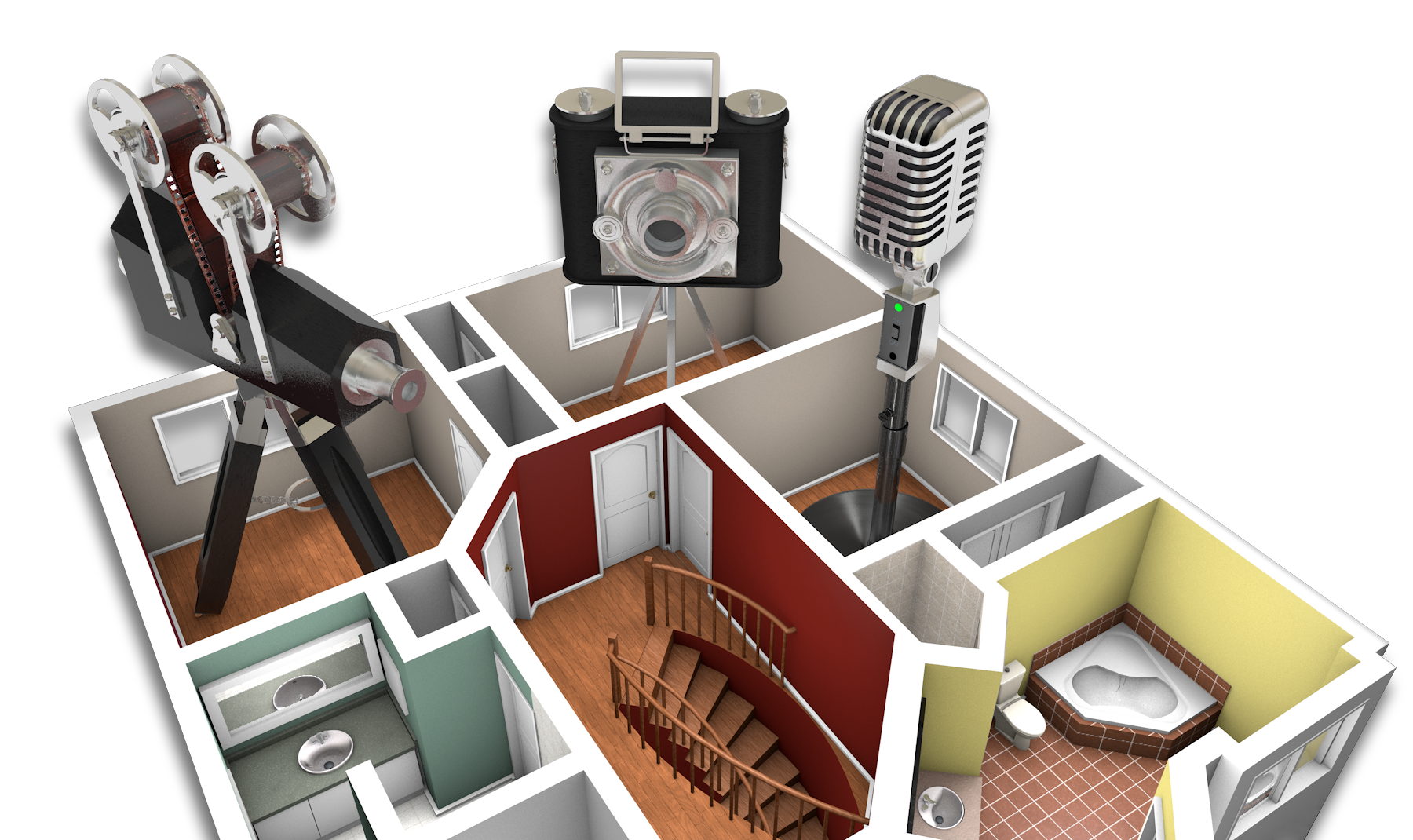
VR floor plan of a home with oversized camera, video camera, and microphone graphics representing high-quality real estate photography, and video narrated VR animated online showings for advanced property marketing.
Flaherty Team logo with Kevin@Flaherty.ca featuring "Flaherty" in bold text, "Home Selling System Team" below, emphasizing real estate services
Graphic with the text ‘Online Showings – Get Your Home Sold Faster & For More!’ promoting Video Narrated VR animated online showings for faster real estate sales
Mono seller financial planning

Costs of Selling a Home in Mono, Ontario

I am Kevin Flaherty, Realtor with eXp Realty. Selling a home in Mono typically costs between 4% and 7% of the sale price when you combine commission, legal fees, mortgage discharge, preparation, rural inspections, and moving — but the exact number depends on your property, mortgage, and preparation strategy. Since 1988, I have helped Mono sellers plan these costs before listing so the final net-proceeds number is never a surprise.

Read time 18 minutes
Updated May 2026
Location Mono, Ontario
Author Kevin Flaherty, Realtor
Quick answers

People also ask about selling costs in Mono

How much does it cost to sell a house in Mono, Ontario?

Most Mono sellers should budget between $15,000 and $45,000+ in total selling costs depending on sale price, commission structure, mortgage penalties, preparation scope, and rural-system documentation needs.

What are the biggest selling costs for Mono homeowners?

Real estate commission is typically the largest cost, followed by mortgage discharge or prepayment penalties, legal fees, and pre-listing preparation including staging, repairs, and rural inspections.

Do I need a septic or well inspection before selling in Mono?

Not legally required, but strongly recommended. Mono buyers routinely request well and septic conditions, and having documentation ready can prevent price reductions during negotiation.

Does the seller pay land transfer tax in Ontario?

No. Ontario land transfer tax is paid by the buyer. However, sellers sometimes contribute closing credits that indirectly affect net proceeds.

What does Kevin Flaherty include in his commission?

Kevin's listing service includes professional photography, drone aerials, video-narrated VR animated online showings, floor plans, a custom property webpage, MLS exposure, social and digital advertising, and full buyer-education marketing.

Start with the net, not the list price

The real question is not “what will my home sell for?” It is “what will I keep?”

Mono sellers typically pay between $15,000 and $45,000+ in total selling costs across commission, legal fees, mortgage discharge, preparation, rural inspections, and moving. When I sit down with a Mono seller, I do not want the first money conversation to happen after an offer is already on the table. A stronger plan starts earlier. We estimate the sale price range, identify selling costs, separate pre-listing cash from closing deductions, and decide which preparation costs are likely to protect the final result.

Mono is not a one-size-fits-all market. A seller in Camilla, Cardinal Woods, Fieldstone, Hockley Village, Hockley Valley, Island Lake Estates, Mono Centre, Purple Hill, Starrview Acres, and Watermark may face very different buyer questions, rural-system concerns, staging priorities, and maintenance costs. A subdivision-style property with municipal-style expectations does not budget the same way as a long-driveway acreage with well water, septic, propane, a wood stove, outbuildings, and a long list of seasonal maintenance items.

The unique angle of this page is financial planning. Other Mono pages explain timing, speed, evaluation, marketing, and agent selection. This page focuses on money out of pocket, money deducted on closing, buyer-confidence costs, rural due-diligence costs, and how to avoid being surprised by your own statement of adjustments.

Planning principle: The lowest-cost sale is not always the most profitable sale. The goal is to spend where spending protects confidence, exposure, negotiation power, and net proceeds, while avoiding upgrades that only make the seller feel busy.
Evergreen 2026 cost ranges

Mono seller cost breakdown by category

These are planning ranges, not quotes. Your actual cost depends on sale price, mortgage terms, lawyer, property condition, rural systems, closing date, moving distance, and negotiation. I use ranges because they are more durable for 2026 than expiring monthly statistics, and because seller budgeting should survive different market conditions.

Cost categoryPlanning range or structureWhen it is paidMono seller note
Real estate commissionUsually a percentage of the sale price, with the listing and cooperating-buyer-broker portions confirmed in the listing agreement.Usually paid from sale proceeds on closing.Largest selling cost; compare service, exposure, negotiation, and net result, not only rate.
Legal fees and disbursements$1,500–$2,500 is a practical planning range for many straightforward Ontario seller files; complex title, estate, or rural matters can be higher.Paid on closing through the lawyer’s statement of adjustments.Ask what is included for discharge work, courier, software, title searches, HST, and extra registrations.
Mortgage discharge and prepaymentDischarge fees can range from no charge to about $400, while professional discharge costs can be materially higher; prepayment penalties depend on your mortgage contract.Usually at closing or when payout statement is issued.Request the lender payout statement before listing if timing, portability, or penalty risk matters.
Property tax adjustmentProrated to the closing date based on what the seller has paid and what the buyer will own after closing.Calculated on the statement of adjustments.This is not a fee in the normal sense; it makes the parties even as of closing.
Staging, decluttering, cleaning$1,000–$5,000+ depending on vacant versus occupied, size, furniture needs, and storage.Before photography and launch.A targeted plan usually beats random spending; focus on buyer confidence and first impressions.
Repairs and pre-listing improvements$500–$15,000+ depending on inspection risk, rural systems, exterior access, and presentation gaps.Before launch or negotiated after inspection.Spend only where it protects value, removes doubt, or improves buyer demand.
Well, septic, WETT, propane, rural system items$500–$2,500+ depending on testing, inspections, pumping, certificates, tank terms, and repairs.Before listing or during buyer conditions.Mono buyers often treat these as confidence items; uncertainty can cost more than preparation.
Moving, storage, utility transfers$1,000–$6,000+ depending on distance, volume, season, storage, bins, and rural access.Before and after closing.Include driveway access, large truck turnaround, snow/ice, gate codes, propane readings, and utility final bills.
Capital gains tax if applicableUsually not due on a qualifying principal residence; investment, rental, mixed-use, or non-principal-residence periods can create taxable gains.Tax filing period after sale, not usually on closing day.Speak with a tax professional before you list if the property was rented, severed, inherited, or partly business-use.
The large line item

Real estate commission should be evaluated against the net result

Commission is usually the largest cost a seller sees on the closing statement, so it deserves a clear conversation. The question is not only the percentage. The better question is what the service does to increase exposure, reduce uncertainty, attract prepared buyers, defend value, and protect the seller from unnecessary concessions.

My selling system is built around buyer education. The Flaherty Team uses Video Narrated VR Animated Online Showings, animation through an accurate scaled model, floor plans with measured square footage, professional visuals, online syndication, and a buyer database. The purpose is to help buyers understand layout, features, upgrades, land, location benefits, and property fit before they physically visit.

For Mono sellers, that matters because the buyer is often assessing more than bedrooms and bathrooms. They may be comparing privacy, commute patterns, acreage utility, water systems, septic, propane, outbuildings, conservation influence, winter driveway access, views, and the lifestyle difference between Mono and nearby Orangeville, Shelburne, or Caledon.

Follow the money

A six-phase cost planning process for Mono sellers

The best budgeting process follows the same order as a real sale. First, confirm the professional and mortgage costs. Second, decide what preparation and rural documentation should be handled before launch. Third, use marketing to reduce uncertainty. Fourth, prepare for buyer objections. Fifth, negotiate transaction costs clearly. Sixth, close and reconcile the final expenses against a clear net-proceeds range.

Phase 1: Confirm the sale structure and professional costs

  1. 1

    Request a written commission explanation so you understand the listing brokerage fee, cooperating-buyer-broker compensation, HST treatment, and what marketing is included.

  2. 2

    Confirm the listing term, services, cancellation language, holdover period, and whether any add-on administration fees exist.

  3. 3

    Ask your real estate lawyer for a seller closing quote that separates professional fees, HST, disbursements, mortgage discharge work, and extra rural-title issues.

  4. 4

    Ask your lender for an estimated mortgage payout statement and prepayment penalty calculation before choosing a target closing date.

  5. 5

    Check whether your mortgage is portable, assumable, variable-rate, fixed-rate, open, closed, or close enough to maturity to change the timing decision.

  6. 6

    Confirm if any bridge financing, line-of-credit payout, second mortgage, private mortgage, or secured debt has to be discharged from title.

  7. 7

    Collect the deed, latest tax bill, survey, well records, septic records, WETT certificate, propane account details, permits, invoices, and warranties.

  8. 8

    Ask whether title insurance, boundary questions, easements, rights-of-way, conservation rules, or unregistered work may require extra legal review.

  9. 9

    Prepare a first draft of your net sheet using conservative cost ranges rather than a best-case estimate.

Phase 2: Budget preparation, rural inspections, and buyer-confidence work

  1. 1

    Decide which repairs remove buyer fear rather than which repairs simply make the home prettier.

  2. 2

    Price out decluttering, junk removal, storage, deep cleaning, window cleaning, carpet cleaning, paint touch-ups, and exterior cleanup.

  3. 3

    Review driveway grading, gravel, potholes, snow storage, gate operation, visibility from the road, and truck access before photography.

  4. 4

    If the home has a septic system, gather pump-out records, layout drawings, tank age, bed age, repair invoices, and maintenance history.

  5. 5

    If the home has a private well, plan timing for water testing and be ready to explain flow, treatment equipment, softeners, filters, and maintenance.

  6. 6

    If the home has a wood stove, fireplace, pellet stove, or insert, confirm whether a current WETT inspection will help buyers and insurers.

  7. 7

    If there is a propane tank, confirm whether it is rented, owned, subject to a buyout, transferable, or tied to a supplier contract.

  8. 8

    Inspect outbuildings, barns, workshops, pool equipment, fences, gates, generators, sump pumps, water treatment, and heating systems for obvious concerns.

  9. 9

    Separate must-do safety or financing items from optional cosmetic upgrades so the budget does not drift.

  10. 10

    Keep receipts and before-and-after notes so improvements can be explained in marketing and negotiation.

Phase 3: Launch with a net-proceeds mindset

  1. 1

    Choose a pricing strategy that supports the strongest net result, not just the highest list price on paper.

  2. 2

    Build the marketing story around what buyers are really buying: land, privacy, views, commuting access, subdivision prestige, acreage utility, systems, and lifestyle.

  3. 3

    Use professional photography, drone, floor plans, and narrated VR animated online showing assets to reduce uncertainty before buyers book in-person showings.

  4. 4

    Confirm that marketing costs covered by Kevin include professional photography, drone where appropriate, custom webpage exposure, video narration, VR animation, online syndication, and buyer education tools.

  5. 5

    Prepare answers for common buyer questions about utilities, taxes, heating, water, septic, internet, school access, snow removal, and rural maintenance.

  6. 6

    Plan showing logistics so pets, security systems, driveways, gates, rural access, and outbuildings do not create avoidable friction.

  7. 7

    Track buyer feedback by cost category: price resistance, repair concern, system concern, staging concern, financing concern, and access concern.

  8. 8

    Avoid taking on new spending during the listing period unless the feedback shows a clear financial reason.

Phase 4: Negotiate the offer, conditions, and closing statement

  1. 1

    Compare offers by net proceeds, deposit, conditions, closing date, included items, rural system clauses, and probability of closing.

  2. 2

    Treat septic, well, WETT, propane, insurance, financing, and appraisal conditions as financial variables, not just paperwork.

  3. 3

    Before accepting a seller credit or repair request, estimate the cost of doing the work yourself, the cost of a price reduction, and the risk of losing the buyer.

  4. 4

    Confirm included and excluded chattels, fixtures, appliances, water-treatment equipment, propane equipment, fuel adjustments, rental items, and warranties.

  5. 5

    Coordinate with your lawyer early if the buyer requests title documents, survey material, permits, septic records, well records, or unusual closing wording.

  6. 6

    Review the statement of adjustments for property tax, fuel, rental items, mortgage discharge, legal fees, real estate commission, HST, and any agreed credits.

  7. 7

    Plan final meter readings, propane readings, utility cancellations, insurance transition, keys, remotes, garage openers, mailbox keys, and alarm codes.

  8. 8

    Keep a reserve for unexpected closing adjustments so your moving plan is not dependent on the most optimistic net number.

Rural Mono costs

Well, septic, WETT, propane, and driveway costs deserve their own budget line

Public Health Ontario explains that private well water can change frequently and that regular testing helps protect drinking water. Ontario’s septic guidance explains that rural septic systems fulfill the role of municipal sewers and that owners are responsible for operation and care. Those facts do not mean every seller must pre-order every inspection, but they do mean Mono sellers should understand how rural systems influence buyer confidence.

For a Mono acreage, the expensive surprise is often not the inspection fee itself. It is the buyer’s uncertainty after inspection. If the buyer cannot understand the well, septic, WETT, propane, driveway, drainage, or access story, the cost may show up as a lower offer, a repair credit, a longer condition, a lender concern, an insurance concern, or a failed deal.

That is why I like to review rural documentation before launch. A seller who can explain the system history often negotiates from a stronger position than a seller who says, “I am not sure; the buyer can figure it out.”

Mono Cost of Selling Breakdown — download the free PDF worksheet

Download the Mono Cost of Selling Breakdown

Kevin Flaherty holding up seven fingers for seven Mono seller cost checks
Seven budget mistakes

Do not let avoidable cost mistakes reduce your net

Before you spend money on a Mono listing, check these seven common mistakes. They are the places where sellers often lose control of the budget or miss a cost that should have been visible earlier.

Listing before checking the mortgage payout and prepayment penalty.
Assuming land transfer tax is a seller cost, then missing the real seller credits that can appear in negotiation.
Spending heavily on renovations without proving they will increase net proceeds.
Ignoring well, septic, WETT, propane, or driveway issues until the buyer uses them as leverage.
Using a legal-fee estimate that does not reflect rural title, discharge, or document complexity.
Forgetting moving, storage, utility, rental-equipment, and final adjustment costs.
Judging commission only by rate instead of comparing marketing, buyer education, negotiation, and net outcome.
Video guidance

Watch how marketing and buyer education affect the seller’s financial result

A seller cost page should not ignore marketing because exposure, presentation, and buyer understanding affect the sale price, negotiation pressure, and the number of unnecessary showings. These five videos show the broader strategy, the home selling system, the questions to ask before hiring a Realtor, why some homes fail to sell, and a sample of the VR-style buyer education system.

Seller strategy video

Sample VR animated online showing

Home Selling System

10 Questions to Ask a REALTOR

Why Didn’t My House Sell?

Seller confidence

What clients say about the selling experience

“Kevin and his team were extremely professional, knowledgeable and helpful throughout the entire process. The marketing was excellent and the communication was clear.”

— Flaherty.ca client review

“The online presentation, photos and guidance helped us understand what buyers would see. We felt prepared, informed and supported from start to finish.”

— Flaherty.ca client review
Authority links and local context

Useful sources for a Mono seller cost plan

This page uses durable 2026 planning ranges and structural explanations rather than expiring monthly statistics. For regional market context, sellers can review TRREB. For municipal and regional context, use Town of Mono, Dufferin County, and Dufferin Board of Trade as local reference points. For tax, mortgage, well, and septic topics, confirm details with the appropriate government, lender, lawyer, accountant, or qualified inspector before relying on any estimate.

Related guides

Mono seller resources and nearby comparison pages

Mono community pages

Neighbourhood and community context for seller budgeting

Cost planning changes by property type and buyer expectation. A buyer comparing a home near Orangeville access may ask different questions than a buyer comparing Hockley Valley lifestyle, Purple Hill privacy, Watermark estate lots, or a rural acreage with outbuildings. Use these community pages to understand how the local story may change the preparation plan.

FAQ

Costs of selling a home in Mono: questions sellers ask most

A Mono seller should budget for real estate commission, legal fees, mortgage discharge or prepayment costs, property tax adjustments, staging, repairs, moving, utility transfers, rural-system documentation, and possible tax advice. Land transfer tax is normally a buyer cost in Ontario, but seller credits can make it part of a negotiation. The right way to plan is to estimate costs before launch, update the net sheet when an offer arrives, and review final adjustments with your lawyer before closing.

In a normal Ontario resale transaction, land transfer tax is tied to the buyer acquiring and registering the property. A seller may still contribute indirectly if an offer includes a seller credit, closing adjustment, repair credit, or price concession designed to help the buyer’s closing budget. That is why I still include land transfer tax in the conversation even though it is not usually a seller cheque on closing.

Many sellers use a planning range of about $1,500 to $2,500 for a straightforward sale, but the final number depends on the lawyer, disbursements, mortgage discharge work, HST, title issues, estate matters, and extra rural documentation. If the property has acreage, easements, old surveys, severance history, or private servicing questions, ask for a quote that reflects the actual property rather than a generic city-home file.

Yes. Kevin Flaherty recommends that sellers call the lender before deciding when to list because a fixed-rate prepayment penalty, interest-rate differential calculation, private mortgage payout, or bridge-financing need can change the best closing strategy. A sale that looks profitable on paper can feel very different if the mortgage payout number is not checked early.

Staging is not automatically about renting furniture for every room. In Mono, staging can also mean simplifying the property story, organizing mechanical spaces, clearing storage, improving lighting, making acreage feel usable, and making the main living areas photograph well. For some homes, a focused cleaning and editing plan gives a stronger return than full furniture staging.

The right repair budget depends on the likely buyer objection. A small paint touch-up, door adjustment, light fixture, gravel refresh, or plumbing repair can be worthwhile if it removes doubt. Kevin usually separates repairs into three groups: work that protects value, work that improves presentation, and optional work that may not pay back. That prevents sellers from spending money simply because they are nervous.

Not every seller orders inspections before listing, but well and septic information matters because many Mono buyers are evaluating rural systems alongside price. Having records, water-test timing, pump-out history, and maintenance information ready can reduce uncertainty. Kevin Flaherty often treats rural-system preparation as a negotiating strategy because buyer uncertainty can turn into price pressure during conditions.

A WETT inspection is commonly requested for a wood-burning appliance such as a wood stove, fireplace, insert, or pellet stove. Buyers and insurers may want confirmation that the appliance and installation are acceptable. If a Mono home has wood heat or a prominent fireplace feature, the seller should decide early whether documentation will help confidence or whether the item should be handled through representations and negotiation.

The seller should confirm whether the propane tank is owned, rented, financed, subject to a buyout, or tied to a supplier agreement. The sale may also require a fuel adjustment at closing. Sort this out before offer review because buyers do not like discovering rental contracts, tank-transfer questions, or unexpected fuel costs late in the process.

When Kevin Flaherty lists a home, professional marketing is part of the selling system rather than a surprise add-on. That can include professional photos, drone where appropriate, floor plans, custom property webpages, narrated VR animated online showings, syndication, buyer education, and targeted exposure. Sellers should still confirm what every agent includes because “marketing” can mean very different things in different listing agreements.

The commission is typically paid from the sale proceeds on closing through the lawyer’s trust accounting. It is not normally an upfront cheque before the home is listed. The listing agreement should clearly explain the commission structure, HST treatment, what compensation is offered to a cooperating brokerage if applicable, and what services are included.

Title insurance is more often discussed with buyers, but a seller may still see title-related work, discharge work, old mortgage registrations, survey questions, easement questions, or title corrections in a rural sale. Ask your lawyer what title work is expected and whether any unusual issue should be handled before listing so it does not delay closing.

Property taxes are adjusted so the seller pays only for the portion of the year they owned the home and the buyer takes responsibility from closing onward. If taxes were prepaid, the buyer usually credits the seller. If taxes are owing, the seller usually accounts for the unpaid portion. It is an adjustment, not a marketing cost.

Capital gains tax is usually not payable on a property that qualifies as your principal residence for every year you owned it. It can apply if the property was an investment property, rental property, mixed-use property, inherited property with gain, or a home that was not your principal residence for every year. Sellers should obtain tax advice before listing if there was rental, business, severance, or non-resident complexity.

Kevin Flaherty is cautious about pre-sale renovations unless the math is clear. Large renovations can delay launch, create permit questions, and cost more than they return. In many Mono homes, the smarter financial move is targeted repair, presentation, documentation, and strong marketing that helps buyers understand the land, systems, layout, and lifestyle.

Costs can vary by property type. A newer subdivision-style home in Fieldstone or Watermark may have different staging, utility, and maintenance issues than a rural acreage, hobby farm, or Hockley Valley property. The more private servicing, outbuildings, long driveways, wood heat, or acreage utility involved, the more important the preparation budget becomes.

Hockley Valley, Mono Centre, and Purple Hill buyers may focus heavily on setting, privacy, access, driveway condition, rural systems, and lifestyle fit. Kevin’s experience living in Mono helps him frame those cost questions around the specific buyer profile rather than treating every Mono home the same.

Moving costs depend on the size of the home, distance, season, storage, packing help, bins, insurance, and rural access. Long driveways, tight turns, snow, gate access, and large-item removal can add cost. Build a realistic moving line into the net sheet so closing proceeds are not the only source of cash for your move.

Sellers should plan for final hydro, gas or propane, water if applicable, internet, security, rental equipment, hot water tanks, water softeners, alarm monitoring, and waste-service changes. In rural properties, propane readings, tank transfers, generator service, water-treatment rentals, and internet equipment can matter just as much as ordinary utility cancellations.

Some costs are paid from sale proceeds on closing, but preparation costs can be out of pocket before launch. Cleaning, decluttering, repairs, staging, storage, inspections, water tests, and moving deposits may be paid before closing. A practical plan separates “pre-listing cash needed” from “closing costs deducted from proceeds” so the budget works in real life.

Sometimes. A seller credit can be cheaper and faster than taking on repairs, especially when timing matters or the buyer wants control over the final work. The risk is that credits can also train the buyer to ask for more. Compare the credit amount, repair cost, deal certainty, closing date, and whether the issue affects other buyers too.

Start with an estimated sale price, then subtract mortgage payout, real estate commission and HST, legal fees, discharge costs, repair credits, tax adjustments, moving costs, and any pre-listing spending. Then run a conservative version with a lower sale price or higher repair allowance. A good net sheet shows the range, not just the best case.

Kevin Flaherty’s marketing system is designed to help buyers understand the home before they walk through the door. For Mono sellers, that is especially important because land, layout, privacy, systems, views, outbuildings, and location context often need explanation. The system includes Video Narrated VR Animated Online Showings, professional visuals, buyer education, and online exposure designed to reduce wasted showings and improve informed buyer interest.

Start with a property-specific evaluation and a realistic cost review before spending money. Kevin can walk through likely commission structure, preparation priorities, rural-system questions, marketing inclusions, timing, and net-proceeds scenarios. The goal is not to spend the most; it is to spend where it protects your result and avoid surprises that reduce your net.

Kevin Flaherty, Realtor with eXp Realty
Author

Kevin Flaherty, Realtor with eXp Realty

I started in real estate in 1988 and serve sellers across south-central Ontario, including Mono estate homes, acreage properties, hobby farms, rural homes, and luxury properties. My work is built around preparation, honest pricing, strong online presentation, buyer education, and negotiation that protects the seller’s net result.

Phone: 226-270-6433 · Website: flaherty.ca

Plan before you list

Get a property-specific Mono net-proceeds conversation

Before you spend on staging, repairs, inspections, or moving, let’s estimate the numbers that matter: sale range, commission, legal fees, mortgage payout, preparation costs, rural documentation, likely buyer objections, and net proceeds.

Contact form for home valuation inquiries, featuring a prominent "What's Your Home Worth?" heading and submit button, reflecting Flaherty Real Estate's services for homeowners.

170 Lakeview Crt #3a

Orangeville, ON

L9W 3R3

Logo of eXp Realty Brokerage a real estate agency.

Not Intended To Solicit Properties Already Listed For Sale.

A HoneyCombHub.ca Web Site Solution

Copyright 2026 . All rights reserved.

Terms of Service/Privacy Policy