Kevin Flaherty, real estate broker, smiling in a professional suit with a blue tie, representing the Flaherty Team.
Kevin Flaherty, top 1% Orangeville realtor for 10+ years, providing free no-obligation home value opinions — call 226-270-6433
Kevin Flaherty Home Selling System Team branding graphic featuring the text ‘Kevin@Flaherty.ca
’ and toll-free phone number 1-877-352-4378
Graphic with the text ‘Online Showings – Get Your Home Sold Faster & For More!’ promoting Video Narrated VR animated online showings for faster real estate sales
Real estate marketing graphic showing a house with a ‘SOLD!’ sign promoting access to sold listings and property information, with a yellow ‘Click Here’ button offering access similar to a REALTOR.
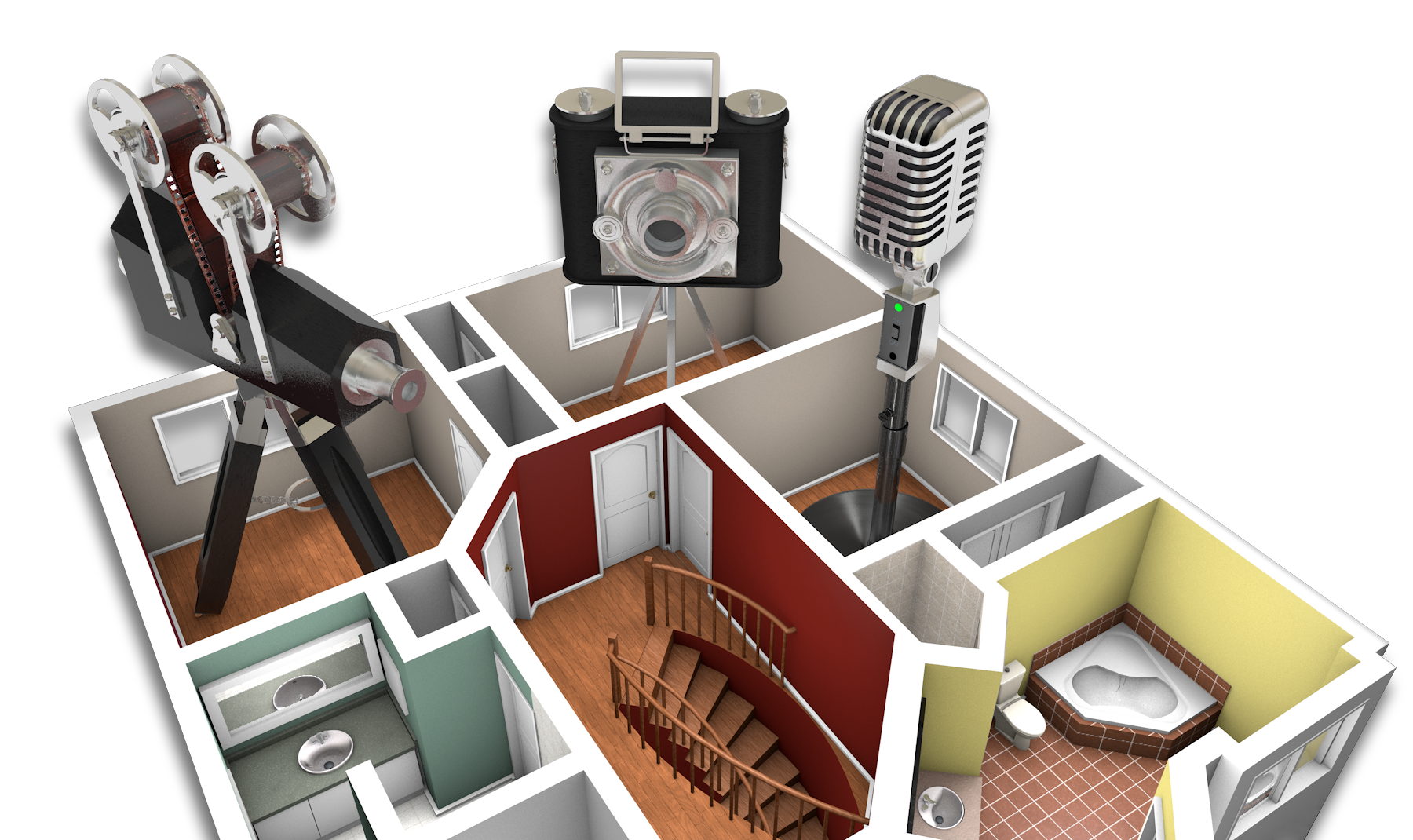
VR floor plan of a home with oversized camera, video camera, and microphone graphics representing high-quality real estate photography, and video narrated VR animated online showings for advanced property marketing.
Flaherty Team logo with Kevin@Flaherty.ca featuring "Flaherty" in bold text, "Home Selling System Team" below, emphasizing real estate services
Graphic with the text ‘Online Showings – Get Your Home Sold Faster & For More!’ promoting Video Narrated VR animated online showings for faster real estate sales
East Garafraxa septic and well seller guide · first-time rural buyer confidence

Septic & Well Homes in East Garafraxa

Selling an East Garafraxa home with a private septic system or private well is not just a technical disclosure issue; it is a buyer-confidence issue. Many buyers in this price band are first-time rural buyers who may love the country setting but feel anxious about systems they have never owned before. The seller who makes septic and well information simple, documented, and calm gives every serious buyer a better chance to stay in the conversation.

Call or text 226-270-6433 for East Garafraxa septic, well, and rural-property sale preparation.

19 minute readUpdated June 2026dateModified: 2026-06-03Location: East Garafraxa, OntarioAuthor: Kevin Flaherty

Short answer: if you are selling an East Garafraxa home with a septic system or well, your best move is to educate the buyer before fear fills the silence. Prepare a Full Confidence Package with well flow-rate information, bacterial water analysis, a recent septic pumping receipt, maintenance history, baffle awareness, and OREA Form 222 disclosure where appropriate. Kevin Flaherty’s field rule is simple: “the confused mind does nothing,” so the page, showing, and negotiation should make private services feel understandable rather than mysterious.

What this guide is based on

This guide is based on Kevin Flaherty’s 38 years of local real estate experience, his family’s long-standing brokerage roots serving Caledon, Erin, Hillsburg, and Grand Valley, OREA seller-disclosure practices including Form 222 where appropriate, Wellington-Dufferin-Guelph Public Health water-testing standards, and Ontario Building Code context for private sewage systems. It is written for East Garafraxa sellers who need evergreen preparation guidance rather than short-lived market commentary.

East Garafraxa is directly north of Erin, close to Grand Valley, and connected to Orangeville services through daily routes that many buyers already understand. Kevin grew up near the Erin and Caledon border, and his Orangeville office is especially close to East Garafraxa’s east side, which matters when sellers need advice that is both rural and local. That geography changes the message: the buyer may be attracted to country space but still need confidence that the private systems are manageable.

Quick answers from a first-time rural buyer perspective

What worries a first-time rural buyer about an East Garafraxa septic and well home?

They usually worry that they do not know what they do not know. Your job as the seller is to make private services feel understandable with current records, plain-language explanations, and room for proper due diligence.

How do I stop septic and well questions from becoming price objections?

Answer them before they become objections. A prepared package makes the buyer feel guided instead of surprised, which keeps the conversation focused on the home rather than fear.

What proof helps a lender and buyer feel better about a well?

A flow-rate test and bacterial water analysis are the core proof points. The buyer can still verify independently, but you have shown that water supply and water quality were not ignored.

What septic detail is easy to miss but important to explain?

Baffles matter because they help keep solids from moving toward the bed. Asking the technician to comment on baffles during pumping can prevent a small unknown from becoming a large buyer anxiety.

Why is East Garafraxa different from a more luxury-focused rural market?

Many East Garafraxa buyers are trying country living for the first time, so the winning message is education and confidence rather than assuming the buyer already understands rural systems.

Why the East Garafraxa angle is buyer education, not perfection theatre

Some rural markets are driven by buyers who already expect estate-level due diligence and may arrive with a long technical checklist. East Garafraxa often attracts a different buyer psychology. The buyer may be stretching for space, privacy, land, or a family lifestyle and may be learning private services for the first time. That buyer does not need the seller to pretend a septic system is exciting. They need the seller to make the system boring, documented, and understandable.

This is where many sellers accidentally lose momentum. They assume that because the septic and well have worked for years, the buyer will simply accept them. A first-time rural buyer rarely thinks that way. They wonder what pumping means, whether a bank will approve a mortgage, whether the water is safe, how often a tank needs attention, what happens if the well slows down, and whether a small unknown can turn into a major bill.

The seller’s advantage is preparation. When you provide a calm explanation and supporting records, you help the buyer’s agent, lender, inspector, and family members understand the property. That does not remove the buyer’s right to inspect or verify. It does reduce the chance that confusion becomes hesitation, and hesitation becomes a lower offer or no offer at all.

What first-time rural buyers worry aboutWhat actually matters to the saleSeller confidence move
“I have never owned septic. What if it fails?”Buyers need to see care, pumping history, baffle awareness, and honest disclosure.Provide a recent pumping receipt, maintenance records, and a plain-language septic care sheet.
“Will the bank approve a home on a well?”Lenders often want a flow-rate result and buyers want to understand daily water supply.Order or locate a well flow-rate test and include the result in the buyer package.
“Is the water safe?”Bacterial analysis gives a current sample result, while treatment records explain ongoing care.Provide bacterial water testing and records for filters, softeners, UV systems, or other equipment.
“Why is the seller so quiet about these systems?”Silence can feel like concealment even when the systems are fine.Use OREA Form 222 where appropriate and disclose known issues honestly.
“This feels complicated.”A confused buyer often delays, discounts, or walks away.Turn the technical file into a Full Confidence Package with a one-page summary.

The Full Confidence Package for East Garafraxa septic and well sellers

The Full Confidence Package is not about guaranteeing that a buyer will waive conditions. It is about showing the buyer that the seller understands the two private systems that create the most anxiety. The package should feel simple enough for a first-time rural buyer and detailed enough for a buyer agent, lender, or inspector to take seriously.

For septic, start with history. Receipts, pumping dates, maintenance notes, tank access information, and baffle comments help turn an underground system into a documented system. Kevin’s own septic baffle story matters because it shows the difference between panic and practical prevention. At his own home, a technician checked a cement baffle during pumping, the baffle snapped off, and the fix was a simple plastic pipe with a 90-degree elbow. The lesson is not that every system has a problem. The lesson is that asking the right question during pumping can prevent the wrong surprise later.

For well water, start with what buyers and lenders normally want to understand. A flow-rate test speaks to water supply, while bacterial analysis speaks to the sample quality at the time of testing. Kevin’s field reference is that 2.5 gallons per minute is often treated as low but acceptable for financing, while 3.5 gallons per minute or more is commonly easier for buyers to understand. Always provide the actual result and let buyers verify their own lending and inspection requirements.

For disclosure, use written answers instead of vague reassurance. OREA Form 222 or related seller property information materials can help organize what the seller knows about private water and sewage. If there is a known issue, it must be disclosed. If there is no known issue, a written, organized answer still helps the buyer see that the seller is not hiding from the topic.


Free PDF download for East Garafraxa septic and well seller guide featuring Kevin Flaherty, East Garafraxa Township Municipal Office, the Grand River, and a well.

How to build first-time rural seller confidence before you list

This process is designed for sellers who want to educate themselves and their buyer. It is not a substitute for legal, engineering, inspection, lender, or public-health advice. It is a practical preparation system that keeps the listing from being defined by unanswered septic and well questions.

1

Phase 1: Identify the first-time rural buyer fears before launch

  1. Write down the questions a town or subdivision buyer may ask about living with a private septic system and private well for the first time.
  2. Separate fear-based questions from technical questions so the listing package can educate without making the property sound risky.
  3. Review how the home is likely to be compared with Orangeville, Erin, Grand Valley, and other nearby alternatives where services may differ.
  4. Decide which questions should be answered in the listing copy, which belong in the document package, and which should be handled during offer conditions.
  5. Prepare one plain-language explanation of how the septic and well have been used by the household, without making guarantees beyond known facts.
  6. Create a seller confidence file before photography so the marketing message is built around proof, not last-minute scrambling.
2

Phase 2: Make the septic story simple, documented, and not intimidating

  1. Gather every septic pumping receipt, maintenance invoice, installer note, permit, drawing, or repair record you can locate.
  2. Schedule a septic pumping close enough to listing that the receipt feels current to a buyer reviewing the property.
  3. Ask the technician to comment in writing, where appropriate, on whether the system appeared to be in working order at the time of pumping.
  4. Ask specifically about baffles because a simple baffle issue can sound frightening to a new rural buyer if it is discovered late.
  5. Record the tank location, bed location, access lids, and any areas that should not be driven over or disturbed.
  6. Summarize practical septic care in plain language so a first-time rural buyer understands use, maintenance, and what not to flush.
3

Phase 3: Make the well information mortgage-friendly and easy to understand

  1. Order or locate a well flow-rate test so buyers and lenders can review water supply before fear becomes a condition issue.
  2. Use 2.5 gallons per minute as the common low-but-often-acceptable financing reference and explain that higher results are often more reassuring.
  3. Arrange bacterial water testing through the appropriate local health authority process and keep the result in the seller confidence file.
  4. Collect records for water treatment equipment, filters, softeners, UV systems, pressure tanks, pumps, and service invoices.
  5. Prepare a simple explanation of what the water test does and does not prove so buyers do not assume one result answers every future water question.
  6. Make sure any well-related marketing language is accurate, supportable, and consistent with the documents that can be shared.
4

Phase 4: Build the Full Confidence Package and written disclosure file

  1. Complete the seller property information materials, including OREA Form 222 where appropriate for septic and well disclosures.
  2. Disclose known problems honestly because hiding a known private-system issue can create legal and negotiation risk.
  3. Combine the well flow-rate result, bacterial analysis, septic pumping receipt, septic maintenance history, and disclosure answers in one package.
  4. Add a one-page buyer orientation sheet that explains where the documents are, what each document means, and what buyers should verify independently.
  5. Review the file for contradictions before launch so the listing copy, seller answers, and documents tell the same story.
  6. Decide what will be shared publicly, what will be shared after inquiry, and what will be available during a conditional period.
5

Phase 5: Launch the listing as an education-first rural property

  1. Use the listing copy to acknowledge private systems confidently instead of burying them or hoping buyers do not ask.
  2. Use professional media to show the home, land, access, utility areas, and practical rural lifestyle without turning the listing into a technical manual.
  3. Use Video Narrated VR Animated Online Showings to orient buyers before they book an in-person visit.
  4. Train showing and inquiry responses around clarity: answer the question, point to the proof, and avoid overpromising.
  5. Watch early buyer feedback for repeated septic or well confusion and strengthen the explanation quickly if the same concern appears twice.
  6. Keep the seller confidence package ready so a serious buyer can move from fear to due diligence without losing momentum.
6

Phase 6: Negotiate conditions without letting fear become a discount

  1. Expect reasonable septic, well, financing, insurance, and home-inspection conditions from careful first-time rural buyers.
  2. Respond to condition requests with documents and process rather than defensiveness, because confidence is often built during negotiation.
  3. If a specialist raises an issue, separate actual repair cost from generalized fear and negotiate around evidence.
  4. Keep the buyer, buyer agent, seller, lawyer, and specialists aligned on deadlines so private-system questions do not drift into uncertainty.
  5. Use the prepared package to remind the buyer that the seller did not hide the systems, avoid testing, or leave basic questions unanswered.
  6. After conditions are satisfied, preserve the same documentation for closing so small questions do not reopen large anxieties.

What happens when sellers do not prepare

When sellers refuse pretests, receipts, and written disclosure, the property may still eventually test fine. The problem is that buyer confidence can be lost before the truth has time to help. A buyer who has never owned a well may not know whether a missing flow result is normal or alarming. A buyer agent who cannot answer septic questions may advise caution. A family member who is already nervous about country living may push the buyer toward a simpler property.

Kevin has seen this hesitation from both buyers and buyer agents. In many cases, the systems were ultimately fine, but the absence of proof created the impression that something was being hidden. In a rural sale, the cost of confusion can be measured in fewer showings, weaker offers, longer conditions, and difficult renegotiation. Preparation is usually far less expensive than trying to restore trust after the buyer has become suspicious.

The plain-language rule

Do not make a first-time rural buyer become an expert before they can feel safe. Give them the proof, explain what the proof means, and leave room for proper due diligence.

East Garafraxa local context: Erin, Orangeville, Grand Valley, and rural-service expectations

East Garafraxa sits in a practical rural triangle for many buyers. Erin is directly south, Grand Valley is nearby, and Orangeville services are close enough that many buyers see East Garafraxa as a country option with familiar amenities within reach. That is why the listing should not sound generic. It should help the buyer understand the home, the land, and the systems in the context of how people actually live in this part of Dufferin County and neighbouring Wellington County.

Kevin’s family history supports that local perspective. His parents were both real estate brokers servicing Caledon, Erin, Hillsburg, and Grand Valley, and he grew up around the Erin and Caledon border. After 38 years in the area, his advice is not just to “get documents.” It is to anticipate the exact moment when a buyer’s excitement about country living collides with a question about water, sewage, lender approval, or long-term maintenance.

That context also affects community-specific messaging. A buyer comparing Brookhaven and Rayburn Meadows may want rural services explained in a more residential way. A buyer comparing Garafraxa Woods or Marsville may focus more on privacy, land use, tree cover, outbuildings, access, and the practical rhythm of country ownership. The East Garafraxa real estate hub ties those local pockets together.

Marketing that explains the property before the showing

Private systems are not the only reason buyers need education. Room flow, land use, driveway access, utility areas, outbuildings, and rural lifestyle expectations all affect how a first-time country buyer thinks. This is why Kevin’s Video Narrated VR Animated Online Showings are especially useful for East Garafraxa sellers. They let a buyer understand the house and setting before driving out, while also giving the seller more control over the first impression.

How To Get Top Dollar For Your House

Kevin Flaherty explains the complete home selling system and why a stronger confidence story helps sellers attract more serious buyers.

Video Narrated VR Animated Online Showings

A sample of the Video Narrated VR Animated Online Showing system used to explain homes, systems, land, and layout before buyers arrive.

10 Questions to Ask Before Hiring a Realtor

Questions East Garafraxa sellers can use before hiring a REALTOR for a private septic and well property.

How To Avoid Legal Mistakes When Selling A House

Important legal and disclosure mistakes sellers should avoid when private systems are part of the sale.

Why Didn't My House Sell?

Why listings fail when buyer uncertainty, weak positioning, or missing proof blocks confidence.

How Do I Know My House Will Pass the Building Inspection

How sellers can think about inspection concerns before buyers use uncertainty as leverage.

When is the Best Time to Sell My House?

Timing guidance for sellers planning a confident East Garafraxa launch.

Related East Garafraxa guides and community pages

Use these pages to connect the septic and well conversation to the broader East Garafraxa selling plan. Every private-system property still needs a pricing strategy, home evaluation, rural positioning, and community-specific buyer message.

East Garafraxa community pages

Private-service expectations vary by pocket, so sellers should understand how buyers may compare residential-style rural enclaves, wooded settings, and broader country locations.

Brookhaven Real EstateUseful for residential-style rural buyers who value the east-side connection toward Orangeville and nearby services.
Marsville Real EstateUseful for buyers who want broader country-property context, road access, and practical land use.

What local sellers say about Kevin’s marketing system

★★★★★

“Sold in 4 days, 17 showings, 7 offers, $50,000 over asking when other homes in my area were sitting 6 months to a year. Kevin and his team are second to none when it comes to marketing homes. With the online showing technology they use, I believe my home was exposed faster and to more people.”

Fay McCrea

★★★★★

“Kevin's team made the entire process seamless. From the initial consultation to closing day, every detail was handled professionally. The video marketing system attracted serious buyers immediately.”

Jennifer Zahodnik

★★★★★

“Kevin's knowledge of the rural market is unmatched. He understood exactly how to position our property for the right buyers and we sold above asking in under two weeks.”

Brian Masulka

24 East Garafraxa septic and well seller questions

These questions are written from the point of view of a buyer who may be learning rural ownership for the first time. They intentionally focus on education, confidence, and East Garafraxa context rather than repeating a generic inspection checklist.

Start by making the systems understandable before the buyer asks under pressure. Kevin recommends giving the buyer a clear confidence package with septic pumping history, baffle notes where available, well flow information, bacterial water testing, and written disclosure so the buyer sees a cared-for country home rather than a mystery.

They ask because private water and sewage may be completely new to them. A buyer coming from Orangeville, Erin, or a subdivision setting may understand kitchens and roofs but have no mental model for a septic tank, bed, well pump, flow rate, or bacterial result.

Hand them a simple document package, not a pile of unexplained receipts. The package should include pumping history, any maintenance notes, tank and bed location information, practical care guidance, and written disclosure that makes the seller’s knowledge easy to review.

Explain baffles as a normal protective component, not as a crisis. Kevin uses his own baffle story to show that a small part can matter, that technicians know what to look for, and that a simple documented fix can prevent a much larger fear from taking over the buyer’s thinking.

It tells the buyer how much water the well can produce under the test conditions. It does not predict every future water issue, but it gives the buyer, lender, and buyer agent a practical starting point for judging whether the home can support normal household use.

Answer carefully and factually. Many lenders treat 2.5 gallons per minute as low but often acceptable, while 3.5 gallons per minute or more is commonly more comfortable, so the seller should provide the actual test result and let the buyer verify financing requirements with the lender.

No. A clean bacterial result is important because it speaks to the sample taken at that point in time, but buyers may still ask about treatment equipment, flow, pressure, age, service records, and what they should test again during their condition period.

Emphasize practical rural confidence and location clarity. East Garafraxa sits directly north of Erin, and many buyers value the countryside setting while still wanting to understand nearby services, commuting, school routes, contractors, and how private systems fit into everyday family life.

Answer with a more residential buyer in mind. Buyers comparing Brookhaven real estate or Rayburn Meadows real estate may like the rural setting but still want clear proof that water, septic, access, and maintenance are manageable.

Prepare the explanation around the setting. Buyers considering Garafraxa Woods real estate may focus on privacy and trees, while buyers considering Marsville real estate may focus more on rural function, road context, land use, and system practicality.

Usually yes. Kevin recommends pumping before listing because the receipt, technician note, and baffle conversation reduce suspicion before the buyer decides whether to book a showing or write an offer.

Do not pretend the records are stronger than they are. Gather what exists, explain what is missing, consider a current pump-out, and be ready for a buyer condition so the missing history is handled openly instead of discovered late.

It helps by putting the seller’s knowledge into a written disclosure format. The form does not replace buyer due diligence, but it shows that the seller is willing to answer private-system questions instead of forcing the buyer to guess.

Disclose known material issues honestly and early. Kevin’s view is that a known problem should never be hidden, because the damage from losing trust can be worse than the repair conversation itself.

Yes. The answer is not to bury them in jargon, but to organize the technical proof in plain English with a summary page, supporting documents, and a clear invitation to verify details during due diligence.

Many become more cautious because they have to protect their clients from unknown private-system risk. Missing documents can lead to longer conditions, lower offers, more aggressive negotiation, or a buyer who simply chooses a more understandable property.

It makes an invisible septic component easy to understand. Kevin’s personal experience shows that a baffle issue can be common, fixable, and worth checking, which helps a buyer see preparation rather than panic.

Yes. Provide filter, softener, UV, pressure tank, pump, and service information where applicable, because first-time rural buyers often want to know not only whether the water tested clean, but how the household has maintained the system.

They help because the buyer can understand the property before arriving in person. Kevin’s system can show room flow, outside access, utility areas, land context, and the practical story behind a country home, which reduces confusion before showings.

Put the number in context without overselling it. Provide the actual result, household-use history, any storage or pressure details, and advice for the buyer to confirm lending and inspection requirements during the condition period.

Yes. Conditions are normal for careful buyers, especially when water, septic, financing, and inspection issues are involved, but a prepared seller can make those conditions feel like due diligence rather than an excuse to renegotiate from fear.

Speak before ordering repairs, booking photos, or setting the listing date. Kevin can help identify which documents are likely to calm buyers, which tests should be considered, and how to avoid spending money on items that do not change buyer confidence.

Yes. East Garafraxa often needs a more educational first-time rural buyer message, while Mono sellers may face buyers who already expect a more polished country-property due diligence package. The technical facts may be similar, but the psychology is different.

Contact the Flaherty Team through the Orangeville office. Kevin has 38 years of area experience, family roots in real estate across nearby communities, and a practical process for turning private-system uncertainty into buyer confidence.

Kevin Flaherty pointing while discussing East Garafraxa rural real estate preparation

About Kevin Flaherty

Kevin Flaherty has been selling real estate in this region for 38 years. His roots are local: his parents were both real estate brokers serving Caledon, Erin, Hillsburg, and Grand Valley, and he grew up around the Erin and Caledon border. Today, his Orangeville office gives East Garafraxa sellers nearby access to a team that understands rural homes, private services, acreage, and buyer psychology.

Kevin’s approach is practical. If a septic or well question can create fear, the seller should prepare the proof, explain it clearly, and avoid letting a confused buyer invent the risk. Learn more about Kevin Flaherty here.

Sources and local references

This page is client-facing preparation guidance. Buyers and sellers should confirm legal, health, lender, engineering, and inspection matters with the appropriate professional or authority.

ReferenceWhy it matters
Toronto Regional Real Estate BoardRegional real estate authority and listing-market context source.
Dufferin CountyCounty-level local government context for East Garafraxa and surrounding communities.
Wellington-Dufferin-Guelph Public HealthLocal public-health authority for water-testing and health-related guidance.
Ontario Building CodeProvincial building-code context for construction and private sewage system standards.
Ontario Real Estate AssociationProfessional real estate forms and seller-disclosure context, including OREA Form 222 where appropriate.
East Garafraxa septic & well seller? Build buyer confidence before launch.Start Your Home EvaluationDownload PDF
Contact form for home valuation inquiries, featuring a prominent "What's Your Home Worth?" heading and submit button, reflecting Flaherty Real Estate's services for homeowners.

170 Lakeview Crt #3a

Orangeville, ON

L9W 3R3

Logo of eXp Realty Brokerage a real estate agency.

Not Intended To Solicit Properties Already Listed For Sale.

A HoneyCombHub.ca Web Site Solution

Copyright 2026 . All rights reserved.

Terms of Service/Privacy Policy