





Home Evaluation in Erin Ontario
Direct answer: Find out what your Erin property is worth before you spend money, choose a list price, or decide when to sell. This local evaluation approach separates Erin Village, Erin Glen, Hillsburgh, rural acreage, hobby farms, and estate homes into the right buyer segments.
Last reviewed • Evergreen seller guide • Kevin Flaherty, Realtor since 1988 • Current market data linked separately
People Also Ask About Erin Home Evaluations
These quick answers address the valuation questions Erin sellers ask before they decide whether to sell, prepare, or simply monitor their equity.
How much is my house worth in Erin, Ontario?
An accurate Erin home value depends on the correct segment: village, Erin Glen, Hillsburgh, rural acreage, hobby farm, or estate property. A local evaluation compares the home against the buyers most likely to choose it.
Are online estimates accurate for Erin rural properties?
Online estimates often miss acreage utility, septic and well confidence, outbuildings, privacy, road exposure, and rural buyer demand, so they should not replace a property-specific valuation.
What affects property value in Erin?
Location, land, condition, updates, services, documentation, nearby competition, presentation, and buyer pool all matter. Erin values can change sharply between village homes, rural homes, and estate properties.
Is Hillsburgh valued differently than Erin Village?
Yes. Hillsburgh has its own inventory pattern, commute logic, lot mix, and buyer expectations, so it should not be valued only by averaging central Erin Village sales.
What should I prepare before a home evaluation?
Prepare renovation receipts, utility costs, tax information, septic and well documents, survey details if available, and a list of property features that may not be obvious from a basic online listing.
I help Erin homeowners understand value before they make expensive decisions. A home evaluation should not be a guess, a website estimate, or a single comparable sale pulled from another property type. Erin is too diverse for that. The right range depends on whether buyers will see your home as a village property, a newer Erin Glen resale, a Hillsburgh home, rural acreage, a hobby farm, or an estate property.
This page is the valuation companion to the main Erin Realtors hub. If you are already preparing to list, continue with Selling a Home in Erin Ontario; if your main question is list price, review How to Price Your House in Erin Ontario. For current numbers, use the Erin Real Estate Market Report rather than putting dated statistics into an evergreen evaluation plan.
Why an Erin Home Evaluation Needs Local Segmentation
A property in Erin can look simple on paper and still require a careful valuation. Buyers compare different features depending on the segment they are shopping.
| Property Segment | What Drives Value | Evaluation Focus |
|---|---|---|
| Erin Village homes | Walkability, lot size, age, updates, services, and condition. | Compare older streets, renovated homes, and nearby newer competition separately. |
| Erin Glen and nearby subdivision resales | Floor plan, finishes, builder competition, warranty perception, and lifestyle convenience. | Position against newer inventory without ignoring the value of maturity, landscaping, and move-in readiness. |
| Hillsburgh homes | Distinct community identity, commute logic, lot mix, and available inventory. | Use Hillsburgh-specific context instead of averaging all Erin Village and rural sales together. |
| Rural acreage | Privacy, road access, usable land, septic, well, heating, driveway, and outbuildings. | Document systems and land utility so buyers understand the full property, not just the house. |
| Hobby farms and estate homes | Barns, fencing, paddocks, architecture, privacy, views, finish level, and premium buyer depth. | Measure lifestyle value, functional utility, and scarcity without assuming every improvement returns dollar for dollar. |
Community context matters
Buyer expectations vary across Erin real estate, Erin Village, Hillsburgh, Ospringe, and Orton. A local evaluation should reflect the community, the land, the services, and the buyers who are most likely to care.
What to Gather Before Requesting an Erin Home Evaluation
The more complete the property picture, the stronger the valuation conversation. Documents do not just support price; they help remove buyer uncertainty before it becomes negotiation pressure.
For every Erin home
Prepare tax information, utility costs, renovation receipts, appliance ages, mechanical ages, permit information where available, warranty details, floor plans, and a list of improvements that may not be obvious online.
For rural, septic, and well homes
Gather septic pumping records, well records, water treatment details, water test history, propane or heating contracts, survey or sketch information, driveway notes, and outbuilding details. For more depth, review Selling Septic & Well Homes in Erin.
For farms, estates, and larger properties
Summarize acreage use, barns, fencing, paddocks, equipment storage, laneways, trails, pool or outdoor living features, rental agreements, zoning questions, and any special maintenance history. Sellers with acreage should also review Selling Rural Property in Erin Ontario.
The Five-Phase Erin Home Evaluation Process
A proper evaluation connects property facts, comparable evidence, preparation, pricing, and marketing. It should help you decide what to do next, not pressure you into listing before you are ready.
Phase 1: Segment the Property Correctly
Confirm whether the home should be compared as Erin Village, Erin Glen, Hillsburgh, rural acreage, hobby farm, or estate inventory.
- Confirm whether the home should be compared as Erin Village, Erin Glen, Hillsburgh, rural acreage, hobby farm, or estate inventory.
- Review the property's location, services, land use, lot shape, road exposure, and buyer profile.
- Separate features that create value from features that simply make the property different.
- Identify any rural-system, zoning, or documentation issues that buyers will ask about.
- Decide which buyer pool is most likely to compete for the property.
- Record the segment before selecting comparable sales.
Phase 2: Gather Property Evidence
Collect tax, utility, renovation, warranty, permit, appliance, and mechanical information.
- Collect tax, utility, renovation, warranty, permit, appliance, and mechanical information.
- Gather well, septic, survey, water treatment, propane, rental, and outbuilding records when relevant.
- List upgrades by year, approximate cost, contractor, and transferable documentation.
- Document land features such as fencing, barns, trails, driveway access, gardens, and outdoor living areas.
- Note any known issues that should be priced, corrected, or disclosed before launch.
- Prepare questions for the evaluation visit so no value factor is missed.
Phase 3: Compare the Right Sales
Review sold properties that match the correct Erin segment and buyer profile.
- Review sold properties that match the correct Erin segment and buyer profile.
- Remove misleading sales that differ too much in land, condition, location, services, or property type.
- Compare active competition because buyers shop against what is available now, not only what sold earlier.
- Consider expired and withdrawn listings to understand price resistance.
- Adjust the value range for condition, updates, lot utility, documentation, and presentation.
- Build a defensible price range rather than relying on one isolated sale.
Phase 4: Connect Value to Preparation
Identify which preparation items could improve buyer confidence or online presentation.
- Identify which preparation items could improve buyer confidence or online presentation.
- Avoid spending money on changes that are unlikely to affect the final result.
- Prioritize repairs, cleaning, staging, landscaping, documentation, and photography readiness.
- Prepare answers for buyer objections before showings begin.
- Decide whether inspections, water tests, or septic documents should be arranged before launch.
- Align preparation with the likely price bracket and buyer expectations.
Phase 5: Choose Pricing and Marketing Strategy
Select a launch range that fits the evidence, competition, and seller goals.
- Select a launch range that fits the evidence, competition, and seller goals.
- Decide whether the strategy should emphasize speed, maximum exposure, negotiation room, or a premium presentation window.
- Plan the online story around value, lifestyle, land, function, and property-specific advantages.
- Use professional marketing assets to help buyers understand the property before booking a showing.
- Monitor early response and showing quality to confirm whether the price is being accepted.
- Adjust strategy with evidence if the market gives a clear signal.
Download the Erin Home Evaluation Guide

Click the image to download your free Erin Home Evaluation Guide.
Use this companion checklist before you request a valuation, prepare for an evaluation visit, or compare Realtor advice. It is evergreen, so it focuses on documents, questions, methodology, and interpretation rather than dated market statistics.
If the evaluation leads to a selling decision, the next steps usually involve pricing, preparation, and launch strategy. Helpful follow-up guides include Prepare Your Erin Home for Sale, Costs of Selling a Home in Erin Ontario, and Best Time to Sell a House in Erin Ontario.
Download the Free GuideWatch: A Backstage Tour of the Seller Marketing Plan
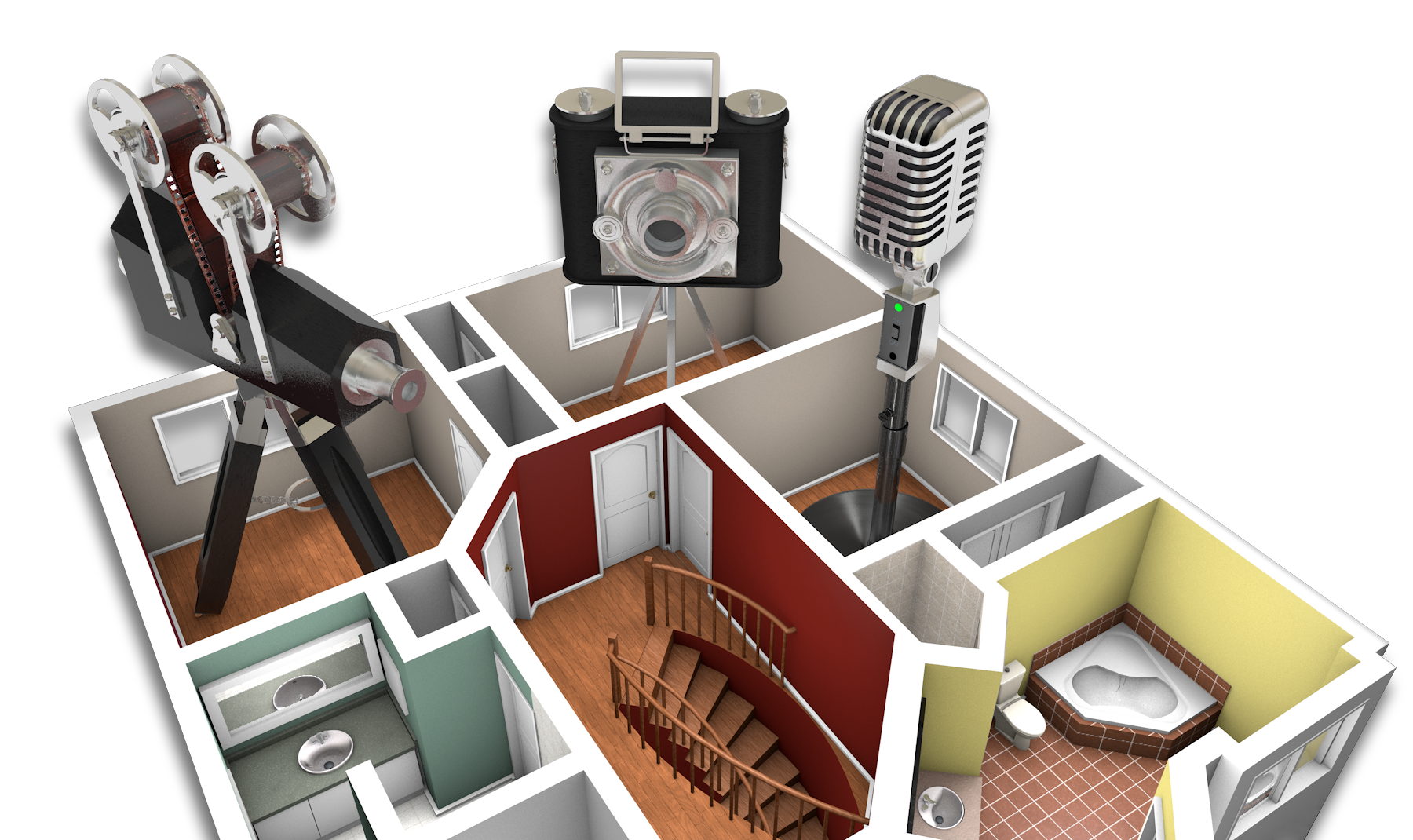
A backstage tour of the seller marketing plan, showing how Video Narrated VR Animated Online Showing strategy highlights all of a home's key features and benefits online — where buyers shortlist homes they are willing to go see.
How to Get Top Dollar for Your House
A backstage tour of the seller marketing plan, showing how Video Narrated VR Animated Online Showing assets highlight all of a home's key features and benefits online — where buyers shortlist homes they are willing to go see.
10 Questions You Should Ask Before Hiring A REALTOR
A practical checklist for interviewing a Realtor before you trust them with your largest asset.
Why Didn't My House Sell?
A diagnostic video for sellers who need to understand why a listing stalled and what can be corrected.
How to Avoid Legal Mistakes When Selling Your House
A seller-focused overview of the legal issues that can create stress, delays, or failed deals.
How Do I Know My House Will Pass the Building Inspection?
A helpful explanation of how inspection confidence affects buyer decisions and negotiations.
How the Evaluation Connects to Pricing, Preparation, and Marketing
The value range is only useful if it leads to a practical plan. A seller may need a different strategy depending on whether the property should be positioned for speed, premium exposure, an estate buyer, a rural-lifestyle buyer, or a village buyer who is comparing renovated homes against newer construction.
Pricing is the promise; marketing proves the value
The list price makes a promise to the market. The photos, copy, feature explanation, buyer database, and online presentation must then prove why the property belongs in that range. For many Erin homes, a Video Narrated VR Animated Online Showing can help buyers understand layout, land, lifestyle, and features before they decide whether to book a showing.
Preparation should protect value
Preparation is not about making every house look the same. It is about reducing friction. That may mean decluttering a village home, documenting a well and septic system, explaining outbuildings, showing land utility, clarifying upgrades, or improving first impressions so buyers do not discount the property unnecessarily.
The evaluation should reduce uncertainty
A good evaluation gives you a reasoned range, the evidence behind it, the likely buyer concerns, and the next steps. If your property is not ready yet, that is useful information. If it is ready, the evaluation becomes the foundation for the selling plan.
Related Erin Seller Guides
Use these resources to continue from valuation into pricing, preparation, timing, rural documentation, and selling strategy.
Erin Community Pages
Review the community pages below when your home evaluation depends on village, hamlet, rural, or Hillsburgh-specific buyer expectations.
What Sellers Say About the Flaherty.ca Home Selling System
These testimonials are included because evaluation, preparation, pricing, and marketing work together. Sellers need confidence before launch and a system that helps buyers understand the home.
"Sold in 4 days, 17 showings, 7 offers, $50,000 over asking when other homes in my area were sitting 6 months to a year. Kevin and his team are second to none when it comes to marketing homes. With the online showing technology they use, I believe my home was exposed faster and to more people."
— Fay McCrea
"I couldn't believe how fast my home sold at a time when other homes were sitting on the market. Kevin got mine sold quickly and at a price that was top dollar and even more than I expected. His video narrated VR animated on line showing gave my home amazing exposure and reduced unnecessary showings. Kevin was a pleasure to deal with. He was always patient and kept me informed every step of the way. I highly recommend his innovative approach."
— Joanne Holding
See more reviews and video testimonials from sellers who used the Flaherty.ca Home Selling System

About Kevin Flaherty
Frequently Asked Questions About Erin Home Evaluations
These answers focus on process, valuation methodology, property-type differences, and Erin-specific selling context.
An Erin home evaluation is a property-specific review of likely market value, pricing range, preparation priorities, and buyer demand. Kevin Flaherty looks at the correct Erin segment first, because a village home, rural acreage, hobby farm, and estate property should not be valued with the same assumptions.
Online estimates can be a starting point, but they often miss Erin's property mix. They may not understand septic and well systems, acreage utility, outbuildings, privacy, Erin Glen competition, Hillsburgh buyer patterns, or estate-level features.
Kevin compares village homes by location, lot size, age, updates, walkability, competition from newer subdivision inventory, and buyer expectations around layout and condition. The goal is to identify the believable value range before deciding what to improve.
A rural evaluation looks beyond the house. Acreage, road exposure, driveway access, well and septic information, heating source, outbuildings, usable land, privacy, zoning, and maintenance records can all affect buyer confidence and pricing.
Gather tax information, utility costs, survey or sketch if available, renovation receipts, permits, septic and well records, water treatment details, propane or heating information, rental contracts, appliance ages, and notes about outbuildings or land use.
No evaluation can guarantee the final sale price. A good evaluation gives a defensible range, explains the evidence behind that range, and identifies the pricing strategy most likely to attract qualified buyers without leaving money on the table.
Yes. Kevin treats Hillsburgh as its own market segment because buyers may compare it differently than central Erin Village. Commute patterns, inventory, lot sizes, nearby rural options, and community identity can all shape value.
Erin Glen can influence buyer comparisons because newer homes may offer modern layouts, finishes, and warranties. Nearby resale homes should highlight lot maturity, street character, renovations, and lifestyle advantages that new-build competition may not provide.
Not necessarily. The evaluation should come first so you can separate repairs that may protect value from improvements that simply cost money. Some items support pricing confidence, while others are better handled through disclosure, pricing, or negotiation strategy.
Kevin includes preparation guidance when it affects value, buyer confidence, or launch strategy. That may include cleaning, staging priorities, exterior presentation, documentation, small repairs, rural-system information, and how the home should be presented online.
A hobby farm evaluation considers the house, usable acreage, barn condition, fencing, water access, laneways, zoning, storage, paddocks, equipment areas, and lifestyle appeal. The buyer pool may include equestrian, contractor, multigenerational, or rural-lifestyle buyers.
Yes. Kevin evaluates estate homes by looking at privacy, architectural quality, finish level, land utility, views, driveway experience, pool or outdoor living features, comparable high-end sales, and the depth of qualified buyers in the likely price band.
Septic and well information should be ready early. Buyers often ask about pumping records, water quality, flow, treatment systems, tank age, bed location, and maintenance. Documentation can reduce uncertainty and strengthen negotiation confidence.
The evaluation identifies the likely value range, but pricing strategy decides where to launch within that range. The right number depends on competition, condition, buyer urgency, showing strategy, and whether the goal is maximum exposure, speed, or negotiation room.
Kevin will point out preparation items that are unlikely to produce a meaningful return. In Erin, it is common for sellers to spend too much on cosmetic work while ignoring documents, rural-system questions, exterior presentation, or buyer objections that matter more.
The first conversation can often begin quickly, but a careful evaluation may take longer if rural documents, comparable sales, improvements, or special property features need review. Complex acreage, hobby farm, and estate properties deserve more analysis than a quick online estimate.
A Realtor evaluation helps with pricing, preparation, marketing, and selling strategy. A formal appraisal is usually completed by a licensed appraiser for lending, legal, or estate purposes. The two can inform each other, but they serve different roles.
Yes. Kevin can help connect the evaluation to downsizing timing, preparation priorities, net proceeds, possession dates, and the decision of whether to buy first or sell first. The best strategy depends on the property, destination, and risk tolerance.
Yes. Current market data helps frame buyer demand, inventory, and negotiation conditions. For current figures, review the Erin Real Estate Market Report instead of relying on dated averages or generic online summaries.
It can. A strong evaluation identifies the likely price range, the avoidable buyer objections, and the preparation steps that support a confident launch. Speed usually comes from being believable to buyers from the first day online.
Marketing does not create value from nothing, but it can help buyers understand value more clearly. Professional presentation, feature storytelling, buyer-database exposure, and online walkthrough content can increase confidence before buyers decide whether to book a showing.
Yes. Kevin reviews Ospringe and Orton properties with attention to rural setting, lot utility, access routes, property condition, and the buyer pool likely to compare those homes against Erin, Hillsburgh, Caledon, and nearby Wellington County options.
Ask which sales were used, which sales were rejected, how active competition affects the range, how property type changes the buyer pool, and how preparation or documentation could change buyer confidence. A strong answer should be specific to Erin, not generic.
Start by sharing the address, property type, timeline, and any unusual features or documents. The next step is to review the property segment, compare relevant evidence, discuss preparation priorities, and decide whether the selling plan should move forward now or later.