






Kevin Flaherty, real estate broker, smiling in a professional suit with a blue tie, representing the Flaherty Team.
Kevin Flaherty, top 1% Orangeville realtor for 10+ years, providing free no-obligation home value opinions — call 226-270-6433
Kevin Flaherty Home Selling System Team branding graphic featuring the text ‘Kevin@Flaherty.ca
’ and toll-free phone number 1-877-352-4378
Graphic with the text ‘Online Showings – Get Your Home Sold Faster & For More!’ promoting Video Narrated VR animated online showings for faster real estate sales
Real estate marketing graphic showing a house with a ‘SOLD!’ sign promoting access to sold listings and property information, with a yellow ‘Click Here’ button offering access similar to a REALTOR.
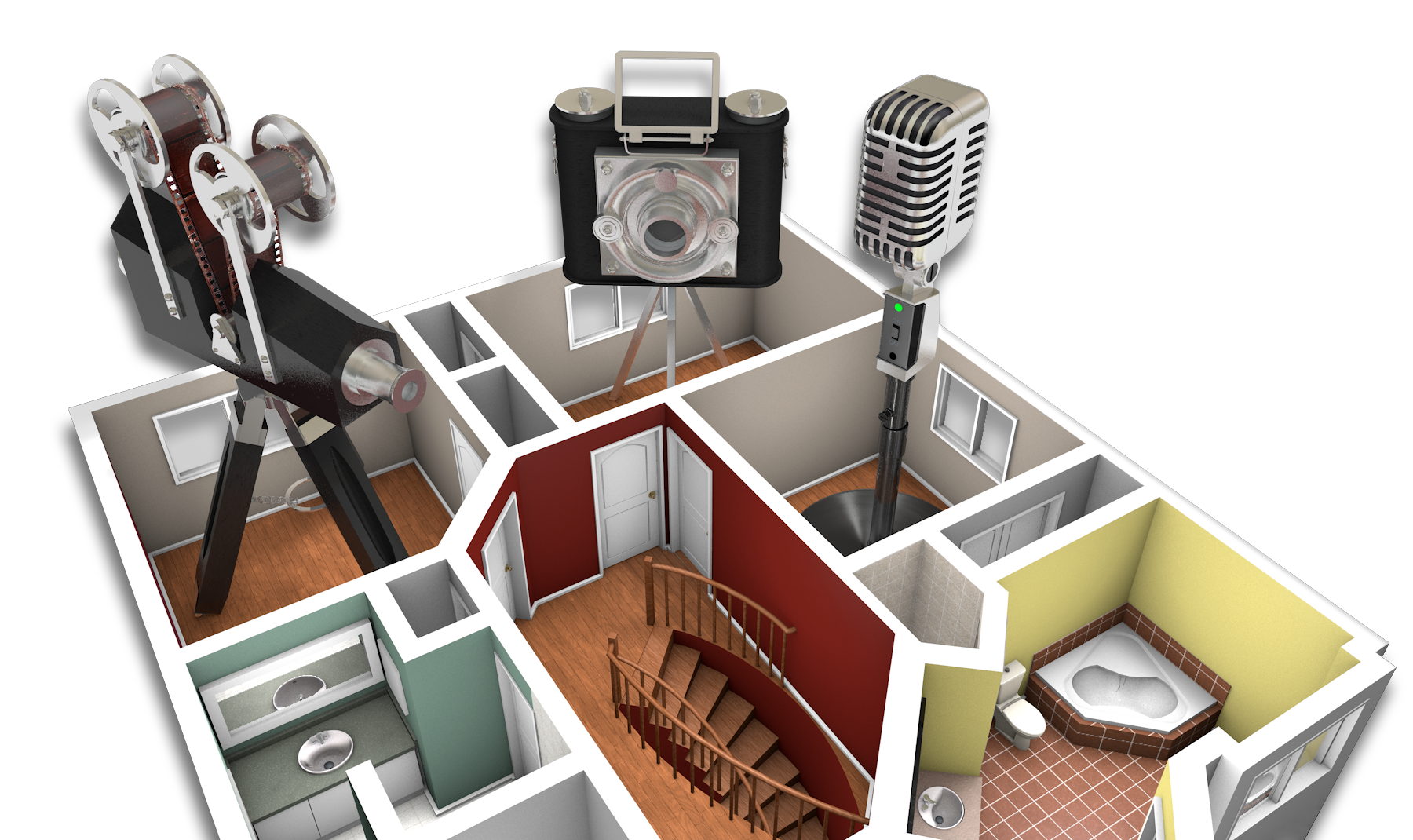
VR floor plan of a home with oversized camera, video camera, and microphone graphics representing high-quality real estate photography, and video narrated VR animated online showings for advanced property marketing.
Flaherty Team logo with Kevin@Flaherty.ca featuring "Flaherty" in bold text, "Home Selling System Team" below, emphasizing real estate services
Graphic with the text ‘Online Showings – Get Your Home Sold Faster & For More!’ promoting Video Narrated VR animated online showings for faster real estate sales
Kevin Flaherty in a blue suit riding a horse with a hobby farm in the background
Erin hobby farm selling guide

Selling a Hobby Farm in Erin Ontario

Sell a hobby farm, equestrian property, farmhouse on acreage, or rural Erin property with a plan built around land use, barns, fencing, well, septic, zoning, buyer fit, and stronger rural marketing.

Kevin Flaherty has been a Realtor since 1988 and has sold hundreds of rural properties, including hobby farms and equestrian properties.

Updated June 10, 2026Evergreen hobby farm selling strategyErin, Wellington County, OntarioAuthor: Kevin Flaherty

Questions Erin hobby farm sellers ask before listing

These questions reflect common Ontario hobby-farm search concerns around zoning, acreage, outbuildings, private services, taxes, and buyer confidence.

What is considered a hobby farm in Erin, Ontario?

A hobby farm is usually a rural residential or agricultural property where the house, land, outbuildings, fencing, and light farm use work together. In Erin, that often means acreage with barns, paddocks, trails, gardens, workshops, or equestrian features rather than a full commercial farm operation.

How do you sell a hobby farm in Ontario without missing rural buyer concerns?

Start by preparing the documents buyers will ask for: zoning, well records, water tests, septic history, outbuilding details, fence condition, driveway access, and permitted-use context. A hobby farm should be marketed as a complete lifestyle property, not just a house with extra land.

How do you value a hobby farm with land, barns, fencing, and paddocks?

Value comes from the house, usable acreage, outbuilding utility, land condition, fencing, drainage, arena or paddock setup, and buyer demand. The pricing conversation should separate what is beautiful from what is functional, insurable, financeable, and hard for a buyer to recreate.

What should Erin hobby farm sellers prepare for septic, well, and water testing?

Prepare pump-out records, septic drawings if available, well records, recent water test results, treatment-system details, and notes about livestock water use. Most rural Erin buyers expect private-service questions, especially when animals, barns, or higher water demand are part of the property story.

Does GST/HST apply when selling a hobby farm in Ontario?

It depends on how the land has been used, whether there is a farming business, and whether any portion of the property is treated differently from the home. Sellers should ask their accountant or lawyer early, especially if the property has farm income, farm tax class, rented land, or business-use history.

How should you sell a hobby farm in Erin?

The best way to sell a hobby farm in Erin is to explain the property as a complete rural system: house, land, barns, paddocks, fencing, water, septic, zoning, road access, and buyer lifestyle. A regular residential listing can miss the details that equestrian, lifestyle, and small-farm buyers use to decide whether the property truly fits.

Erin has a deep rural and equestrian identity, with horse farms, country roads, Angelstone Tournaments, trail-oriented buyers, and properties that often rely on private well and septic services. The selling plan should reduce uncertainty before buyers arrive, then use clear online presentation to help the right buyers understand the value quickly.

Six-step preparation path

Use this sequence before launch: assess the property story, prepare private-service records, verify zoning, improve access and presentation, price the complete property, and market the lifestyle to the right buyer pool.

Erin hobby farm selling checklist

  • Document wells, septic, water treatment, barns, fencing, paddocks, arenas, and major improvements.
  • Clarify zoning, permitted uses, farm tax class, and buyer verification steps.
  • Separate house value from land utility and outbuilding value.
  • Market to equestrian, lifestyle, GTA move-up, Guelph commuter, and Halton Hills overflow buyers.
  • Use online presentation to show the whole property, not just the rooms.
Download the PDF Checklist

What makes a hobby farm different from a regular rural property?

A hobby farm is more than a country house with extra grass. Buyers evaluate whether the property can support the lifestyle they have in mind, such as horses, chickens, gardens, bees, storage, small workshops, a hobby orchard, or simply enough land to feel private. That means the listing needs to explain both emotion and function.

Land use and practical layout

Usable acreage matters more than total acreage. A ten-acre property with dry paddocks, useful fencing, barn access, water points, and safe trailer movement may feel more valuable to a lifestyle buyer than a larger parcel where the land is steep, wet, heavily treed, or difficult to access.

Water, fencing, and daily operation

Farm buyers look at where animals drink, where gates swing, how hay is delivered, where manure is managed, how driveways handle winter, and whether paddocks drain properly. Those details should be visible, organized, and easy to explain.

Features buyers usually ask about

  • Barns, stalls, run-in sheds, workshops, and storage buildings.
  • Fencing type, gate placement, paddock footing, pasture quality, and drainage.
  • Well capacity, treatment systems, exterior water access, and livestock water use.
  • Septic capacity, records, tank location, bed location, and pump-out history.
  • Zoning, animal permissions, farm tax class, and future-use limitations.

Who buys hobby farms in Erin?

Erin hobby farms attract several buyer pools at once. Some buyers are moving out of the GTA for land and privacy. Some are Guelph commuters who want country living without feeling disconnected. Some come from Halton Hills or Caledon and already understand rural services. Equestrian buyers may be looking for barns, paddocks, arena potential, trailer access, and proximity to horse activity.

The local story also varies by area. Buyers comparing Erin Real Estate, Erin Village Real Estate, Hillsburgh Real Estate, Ospringe Real Estate, and Orton Real Estate may value different mixes of services, commute routes, privacy, acreage, and rural-village convenience.

Equestrian and livestock buyers

These buyers study barn safety, footing, fencing, paddock layout, drainage, turn-out options, trailer access, and whether the property can practically support their animals.

Lifestyle acreage buyers

These buyers want privacy, views, gardens, hobbies, outdoor space, and the emotional reward of country living without the complexity of a commercial farm.

Commuter and family buyers

These buyers compare school routes, Guelph and GTA access, internet options, winter maintenance, and whether the property will fit daily life.

Pricing challenges: land, barns, arenas, and fencing

Pricing a hobby farm is not as simple as applying a house price and adding a generic acreage premium. The value may sit in a renovated farmhouse, a functional barn, quality fencing, dry paddocks, scenic privacy, road frontage, or the fact that the property is already set up for a use that buyers would otherwise need to create themselves.

ComponentWhat buyers evaluateSeller preparation
HouseCondition, layout, mechanicals, updates, inspection risk, and fit for daily living.Prepare improvement records, service notes, and clear room-by-room presentation.
LandUsable acreage, privacy, drainage, fields, trails, trees, slope, and access.Show mowed routes, gates, field access, and practical use without overclaiming potential.
OutbuildingsBarns, workshops, storage, stalls, arena potential, power, water, roof, floor, and doors.Clean, photograph, measure, and disclose known issues clearly.
Fencing and paddocksSafety, containment, footing, drainage, gate placement, and repair needs.Repair obvious hazards and explain what is functional now.

For live pricing context, sellers can review Erin Real Estate Market Report when it is time to list, but this guide stays evergreen because the preparation process remains the same.

Zoning should be verified before marketing claims are made

A hobby farm can look obvious from the road, but buyers still need to know what the property is legally allowed to support. Agricultural zoning, rural residential zoning, conservation considerations, setbacks, livestock limits, accessory buildings, farm stands, boarding, home occupations, and farm tax class can all affect buyer confidence.

Do not rely on listing language alone

The safest approach is to verify before promising. Marketing can explain current observable features, but future-use claims should be handled carefully and directed to municipal, legal, accounting, or professional advice where appropriate.

Farm tax class and business-use history

If the property has farm tax class, rented fields, business use, or farm income history, sellers should prepare clear records and ask their accountant or lawyer what buyers may need to know. This is especially important where a property sits between hobby use and business use.

Zoning preparation questions

  • What is the current zoning designation?
  • What uses are permitted as of right?
  • Are there limits on animals, boarding, farm gate sales, or accessory buildings?
  • Does any conservation, watercourse, or environmental feature affect future plans?
  • What should be verified by the buyer before waiving conditions?

Barns, arenas, run-in sheds, and storage buildings need their own selling plan

Outbuildings can be the reason a buyer falls in love with an Erin hobby farm, but they can also be the reason a buyer hesitates. A strong sale plan presents every building as clearly as possible: what it is, how it has been used, what condition it appears to be in, what services are connected, and what should be verified.

Make spaces safe and visible

Clear paths, open doors, improve lighting, remove hazards, and make sure buyers can safely understand each building during a showing.

Document the practical details

List dimensions, stall count, overhead doors, storage use, hydro, water, roof age if known, flooring, ventilation, and known repair history.

Disclose known issues

Known material problems should be handled directly. Surprises during conditions can cost more than honest preparation before listing.

Download the Erin Hobby Farm Selling Guide by Flaherty.ca

Click the image to download your free Erin Hobby Farm Selling Guide.

Farm properties raise bigger private-service questions

Most rural Erin hobby farms rely on private septic and well systems. Buyers may ask about the well record, water quality, flow, treatment equipment, pump history, livestock water demand, septic location, septic capacity, and whether the system fits the house and use.

Use Selling Septic & Well Homes in Erin for a deeper private-service checklist. For a hobby farm, the key is to connect the service records to actual property use, especially where barns, gardens, paddocks, or animals increase water questions.

Water testing and buyer confidence

Wellington-Dufferin-Guelph Public Health handles water testing in the area. Having recent information ready can reduce buyer uncertainty, although buyers may still complete their own tests during conditions.

Private-service records to gather

  • Well record, pump details, treatment system information, and water tests.
  • Septic installation records, pump-out receipts, inspection notes, and tank or bed location.
  • Notes on exterior taps, barn water, livestock watering, irrigation, or seasonal use.
  • Receipts for service, repairs, filters, UV bulbs, softeners, pressure tanks, or pumps.

Market the property to the right buyer pool

A hobby farm needs marketing that explains the whole property before buyers decide to visit. Regular photos can show rooms, but they often fail to explain how the house, barn, land, driveway, paddocks, fencing, services, and location fit together. That is why the property story matters.

The Flaherty.ca approach uses strong media, buyer-focused explanation, and the Video Narrated VR Animated Online Showing to help buyers understand features online before they walk through the door. For a large Erin property, that can reduce wasted showings and help serious buyers arrive with better context.

1. Assess the property story

  1. Walk the house, land, barns, paddocks, driveway, service areas, and road frontage as separate value components.
  2. List every outbuilding with approximate size, purpose, condition, power, water access, and known limitations.
  3. Identify the buyer types most likely to care about the property, including equestrian, lifestyle, commuter, or small-farm buyers.
  4. Separate usable acreage from scenic, treed, wet, steep, or buffer acreage.
  5. Write down the main reasons a buyer would choose this property over a regular rural home.

2. Prepare documents and services

  1. Gather septic records, pump-out history, inspections, drawings, and known maintenance information.
  2. Gather well records, recent water tests, treatment equipment information, pump details, and livestock water notes.
  3. Collect tax bills, utility information, heating details, insurance considerations, and major improvement receipts.
  4. Find surveys, sketches, title documents, easement notes, and any known boundary or access information.
  5. Prepare a simple property document folder that can support buyer confidence during showings and conditions.

3. Verify zoning and permitted use

  1. Confirm the current zoning designation and permitted uses before writing public marketing copy.
  2. Check whether animals, boarding, farm stands, accessory buildings, or home-based businesses require additional review.
  3. Clarify farm tax class, current use, and what a buyer should independently verify after closing.
  4. Avoid making claims about future use, severance, or development unless professional documentation supports them.
  5. Prepare plain-language notes for buyers so they know which questions should go to the municipality, lawyer, or accountant.

4. Improve presentation and access

  1. Clear clutter from barns, stalls, workshops, storage areas, and entrances without hiding legitimate working-farm use.
  2. Repair unsafe gates, boards, exposed hazards, dark access points, or obvious problems that create buyer fear.
  3. Cut grass, define parking, clean entrances, manage manure areas, and make paddocks visually understandable.
  4. Label or explain hard-to-see features such as water lines, electrical panels, drainage, and service shutoffs.
  5. Plan showing instructions for gates, animals, dogs, equipment, tenant areas, and seasonal access.

5. Price the complete property

  1. Compare the home against relevant Erin rural and hobby-farm alternatives instead of relying only on village homes.
  2. Adjust for usable land, outbuilding utility, fencing, arena or paddock setup, drainage, privacy, and location.
  3. Consider whether repair needs or uncertainty will cause buyers to discount the property.
  4. Use current market evidence at launch, while keeping the page guidance evergreen and process-based.
  5. Set a pricing strategy that matches the buyer pool most likely to understand the property value.

6. Market and negotiate with rural confidence

  1. Create media that explains the house, land, outbuildings, driveway, paddocks, services, and lifestyle story online.
  2. Use marketing language that reaches equestrian, lifestyle, commuter, and rural buyers without overpromising permitted uses.
  3. Make documentation available at the right stage so serious buyers can move through due diligence confidently.
  4. Prepare for offer conditions involving inspection, financing, insurance, septic, well, zoning, and inclusions.
  5. Negotiate with awareness of rural buyer psychology, where uncertainty often costs more than small repairs.

Ready to plan your Erin hobby farm sale?

Bring your property documents, timing goals, outbuilding notes, and questions about buyer fit. The first conversation should clarify what to prepare before launch and what deserves the most attention in pricing and marketing.

Want a clear plan before your Erin hobby farm goes public?

Before a hobby farm is listed, the strongest next step is a focused review of the house, land, outbuildings, private services, likely buyer pools, pricing evidence, and launch strategy.

Watch: A backstage tour of the seller marketing plan

The featured video shows how a stronger online presentation helps buyers shortlist homes they are willing to see. The supporting videos cover agent selection, relaunch strategy, legal mistakes, and inspection preparation.

10 Questions You Should Ask Before Hiring A REALTOR

Questions that help sellers choose a listing Realtor who can explain value, marketing, preparation, and negotiation before a rural sale begins.

Why Didn't My House Sell?

A seller-focused look at the issues that can prevent a property from attracting the right buyer pool or confident offers.

How to Avoid Legal Mistakes When Selling Your House

A practical video for sellers who want to reduce avoidable legal, disclosure, and documentation problems before accepting an offer.

How Do I Know My House Will Pass the Building Inspection?

A helpful guide to inspection readiness so buyers understand the home, buildings, and systems before conditions become stressful.

Frequently asked questions about selling a hobby farm in Erin

These answers are written for sellers who want a practical, buyer-aware plan before putting an Erin hobby farm, equestrian property, or acreage home on the market.

Start with a property-specific review of the house, land, outbuildings, services, and likely buyer pool before choosing a price. Kevin recommends doing this before spending money on repairs because a hobby farm can have value in features a regular residential checklist may miss.

A hobby farm sale has more moving parts because buyers evaluate the house, land, barns, fencing, paddocks, water supply, septic capacity, zoning, insurance, and permitted uses. Kevin separates these components so buyers understand the complete property rather than judging it only by bedroom count.

The main buyer pools include equestrian buyers, lifestyle buyers, families leaving the GTA, Guelph commuters, Halton Hills overflow buyers, and people who want land for animals, gardening, privacy, or a slower pace. Kevin has seen these groups respond best when the listing explains practical use as clearly as lifestyle appeal.

Yes, equestrian context matters because Erin has a strong horse culture, major competition activity, trail access, and many buyers who understand barns, paddocks, arenas, and trailer access. A listing should connect the property to that lifestyle without overstating what the property legally permits.

Barns, run-in sheds, workshops, storage buildings, and arenas should be safe, accessible, bright, measured where possible, and free of avoidable clutter. Buyers need to see condition, power, water access, doors, flooring, stalls, ventilation, and practical use quickly.

Repair the fencing that affects safety, first impressions, or clear use of paddocks, and disclose what still needs attention. Kevin usually prioritizes broken gates, loose boards, unsafe wire, poor access points, and areas where buyers may worry about animal containment.

Many hobby farm sellers should allow roughly four to eight weeks for preparation because documentation, cleanup, repairs, exterior presentation, media planning, and service records take time. The timeline can be shorter for a well-maintained property with organized paperwork.

A recent water test can reduce uncertainty, especially when buyers are comparing several rural properties. Sellers should also be ready to explain treatment equipment, livestock water supply, well location, known history, and whether additional testing may be appropriate during due diligence.

A current pump-out or inspection may help if records are old, the system has had issues, or buyers are likely to ask detailed questions. Kevin looks at the age, records, bedroom count, visible concerns, and buyer confidence before suggesting what to do before launch.

Buyers want to know whether the property is agricultural, rural residential, or another designation, and what that means for animals, barns, boarding, farm stands, accessory buildings, setbacks, and business use. Sellers should not guess; zoning should be verified with the municipality or professional advice.

Farm tax class can affect buyer questions because it may depend on eligibility, farm activity, applications, and ongoing compliance. Sellers should collect the current tax bill and any relevant farm-status information so buyers can confirm what may or may not continue after closing.

The price should consider total acreage, usable acreage, soil, drainage, topography, privacy, road frontage, driveway access, and how the land supports the intended buyer. Kevin avoids treating every acre equally because some land is highly functional while other land is mainly scenic or protective.

Not always. A barn adds value when it is safe, usable, appropriately located, insurable, and relevant to the buyer pool, but it can become a concern if it looks expensive to repair or unclear in purpose. Condition and utility matter more than simple square footage.

It depends on safety, logistics, and presentation. Animals can help buyers understand the farm use, but they can also complicate access, odour, parking, gates, liability, and showing instructions if the plan is not organized.

Make the working areas look intentional, organized, and safe. Buyers can accept a working farm, but loose equipment, overflowing storage, poor manure management, and blocked access can make the property feel harder to own than it really is.

Online marketing helps because buyers need to understand the house, land, barns, paddocks, access, and location before deciding whether to visit. Kevin uses the property story, strong media, and the Video Narrated VR Animated Online Showing approach to help qualified buyers shortlist with confidence.

Yes, when the trail context is accurate and relevant. Trail access, road riding, and outdoor lifestyle can matter to equestrian and recreational buyers, but the listing should be careful not to imply private access or permissions that do not exist.

Sellers should be transparent about known material issues, safety concerns, water intrusion, structural problems, electrical concerns, permits, and repairs. Clear disclosure reduces surprises and helps buyers separate manageable maintenance from deal-breaking uncertainty.

Sometimes, but financing may become more complex when acreage, farm use, outbuildings, business income, or non-residential features are significant. Sellers should expect buyers to confirm lender comfort, insurance, appraisal treatment, and property-use details.

Yes, road frontage, entrance location, driveway condition, trailer access, snow clearing, and the shape of the lot can affect how easily the property works for animals, equipment, deliveries, and future buyer plans.

Prioritize improvements that reduce buyer fear, improve safety, clarify use, or make the property easier to understand. Kevin often recommends documentation, cleanup, access, lighting, fencing safety, and service clarity before cosmetic projects that may not change buyer confidence.

Yes, buyer expectations can shift by location, commute pattern, property size, road context, and proximity to services. Sellers should compare nearby options in Erin Village Real Estate, Hillsburgh Real Estate, Ospringe Real Estate, and Orton Real Estate.

A survey can be helpful if boundaries, lane access, easements, fences, buildings, or acreage use could be questioned. Even when a new survey is not ordered, sellers should gather any existing survey, sketch, title documents, and known boundary information.

Begin with a focused conversation about your timing, property condition, documents, services, outbuildings, buyer fit, and financial goals. From there, the selling plan can decide what to prepare, what to disclose, how to price, and how to market the property.

About Kevin Flaherty

Kevin Flaherty, Erin Ontario Realtor

Kevin Flaherty, Realtor since 1988

Kevin grew up near the Erin/Caledon Townline on Highway 24, and Erin was the closest main town to his rural upbringing. His parents were both real estate brokers with deep Erin connections, and he has sold hundreds of rural properties, including hobby farms and equestrian properties.

Kevin lives on a rural property himself in Mono, so he understands private services, land management, outbuilding questions, buyer psychology, and the difference between selling a house and selling a complete rural lifestyle.

What sellers say about the marketing system

These are the approved testimonials for this Erin hobby farm selling guide. You can read more at Flaherty.ca Reviews.

★★★★★

“Kevin's marketing system brought buyers who had already seen the home online before they walked through the door. It made the whole process faster and less stressful than we expected.”

Sarah M.

★★★★★

“Sold in 4 days, 17 showings, 7 offers, $50,000 over asking when other homes in my area were sitting 6 months to a year. Kevin and his team are second to none when it comes to marketing homes. With the online showing technology they use, I believe my home was exposed faster and to more people.”

Fay McCrea

Erin community pages

Hobby farm value can shift by village access, road pattern, commute route, acreage type, and rural setting. These Erin community pages help buyers and sellers compare local context.

Selling a hobby farm in Erin?Free EvaluationBook a Call
Contact form for home valuation inquiries, featuring a prominent "What's Your Home Worth?" heading and submit button, reflecting Flaherty Real Estate's services for homeowners.

170 Lakeview Crt #3a

Orangeville, ON

L9W 3R3

Logo of eXp Realty Brokerage a real estate agency.

Not Intended To Solicit Properties Already Listed For Sale.

A HoneyCombHub.ca Web Site Solution

Copyright 2026 . All rights reserved.

Terms of Service/Privacy Policy