




Selling a Hobby Farm or Acreage in Wellington North
Selling a hobby farm in Wellington North typically takes 45–90 days when marketed correctly to GTA lifestyle and equestrian buyers — with the right zoning documentation, drone photography, and targeted exposure reaching the audience willing to pay top dollar for acreage.
To sell a hobby farm in Wellington North for maximum value, you need three things: verified zoning and tax documentation (Agricultural A1 vs. Rural RU), professional drone and Video Narrated VR Animated Online Showings that showcase the full acreage to remote buyers, and targeted marketing that reaches GTA lifestyle buyers actively searching for equestrian or agricultural properties. Most hobby farms sell below potential because they are marketed like residential homes — but buyers evaluate land quality, outbuildings, fencing, water supply, and severance potential just as critically as the house itself.
With 38 years of experience and over $500M in real estate sold, Kevin Flaherty understands that rural properties require a completely different strategy. Buyers relocating from the GTA want the "country dream," but they also need certainty about the Farm Property Class Tax Rate Program (FTCRP), well flow rates, septic capacity for multiple buildings, and whether the property can be severed in the future.
Whether you are selling a fully equipped equestrian property with an arena and paddocks, or a quiet 10-acre parcel with a historic barn, your marketing must reach the right audience. Equestrian buyers evaluate soil drainage, fencing quality, and water access just as critically as the kitchen finishes — and they expect detailed documentation before making the drive from the city.
This guide breaks down exactly how to prepare, document, and market your hobby farm. By getting ahead of inspections, understanding severance potential, and utilizing our Video Narrated VR Animated Online Showings, you can present your Wellington North acreage with confidence, attract serious lifestyle buyers, and secure the best possible return on your investment.
People Also Ask About Selling Hobby Farms
What is considered a hobby farm in Ontario?
A hobby farm is typically a small rural property where the owner lives full-time and engages in light farming for enjoyment or supplemental food, rather than as their primary source of income. In real estate, these are treated as residential homes with an accessory agricultural use, often ranging from 2 to 10 acres, though there is no strict legal acreage limit.
Do barns and outbuildings add value when selling a farm?
Yes, but their value is contributory, not dollar-for-dollar. Well-maintained outbuildings with concrete floors, electricity, and proper permits add significant appeal and market value for buyers looking for workshops or livestock housing. However, dilapidated barns can be viewed as a liability or demolition expense.
Can you sever a lot off a hobby farm in Ontario?
Severing land is not automatic and is heavily restricted, especially on prime agricultural land. You must apply for a "consent to sever" through the local Committee of Adjustment. Approval depends on municipal planning policies, zoning, lot size, and road access. In many agricultural zones, severances are only permitted for surplus farm dwellings after farm consolidation.
What do horse buyers look for when buying a hobby farm?
Equestrian buyers prioritize functional infrastructure over cosmetic house upgrades. They look for well-drained soil, reliable water sources (high-flow wells, frost-free hydrants), safe fencing (no barbed wire), pasture rotation capability, and structurally sound barns with good ventilation and safe stall layouts.
Can a buyer continue the Farm Property Class Tax Rate Program?
The reduced property tax rate does not automatically transfer to the new owner. The buyer must reapply through Agricorp and prove they meet the eligibility requirements, which include having a valid Farm Business Registration (FBR) number and using the property for a qualifying farm business.
Watch: A Backstage Tour of the Seller Marketing Plan
This video is a backstage tour of the seller marketing plan. It shows how Video Narrated VR Animated Online Showings highlight all of a home's key features and benefits online — where buyers shortlist homes they are willing to go see. It does NOT discuss pricing or negotiation; it focuses on marketing exposure and the VR system.
How to Get Top Dollar for Your House
A backstage tour of the seller marketing plan, showing how Video Narrated VR Animated Online Showings highlight all of a home's key features and benefits online — where buyers shortlist homes they are willing to go see.
The 5-Step Process for Selling a Hobby Farm
Selling a property with acreage and agricultural infrastructure requires proactive preparation. Waiting for the buyer to discover issues with outbuildings or zoning during their conditional period is the fastest way to lose negotiating leverage. Here is the process I use to protect my Wellington North sellers.
Step 1: Gather Property Documentation and Zoning Verification
Before the sign goes on the lawn, we must assemble the paper trail. This includes verifying your exact zoning (Agricultural A1 vs. Rural RU) and understanding what permitted uses a buyer will inherit. We also need to gather any existing surveys, well records, septic pump-out receipts, and documentation regarding the Farm Property Class Tax Rate Program if you are currently enrolled. Buyers are reassured by documentation; a lack of records breeds suspicion.
Step 2: Assess Outbuildings, Barns, and Infrastructure
Do not let the buyer's inspector be the first to evaluate your outbuildings. We must assess the structural condition of barns, workshops, and run-in sheds. Are they permitted? Do they have safe electrical wiring and concrete floors? For older century barns, we must also consider potential liabilities like asbestos or failing foundations. Addressing these issues upfront or pricing the property accordingly prevents deals from collapsing.
Step 3: Conduct Pre-Listing Inspections for Well and Septic
Farms often have larger septic systems or multiple systems serving different buildings. Commission a pre-listing septic inspection to identify any issues on your own timeline. For the well, complete a bacteriological test through Public Health Ontario and hire a professional to conduct a flow test. Having clean, verified reports ready to hand to prospective buyers removes their biggest fears upfront.
Step 4: Prepare the Property and Marketing Assets
With the infrastructure verified, we focus on presentation. This means repairing fencing, managing pastures, and ensuring the property looks functional and well-maintained. Then, we deploy our marketing heavyweights: high-altitude drone photography to showcase the lot lines and topography, and our Video Narrated VR Animated Online Showings. This technology is crucial for acreage properties, as it allows GTA buyers to tour the home and understand the grounds remotely before making the drive to Wellington North.
Step 5: Launch, Disclose, and Negotiate
When we launch the listing, we do so with full transparency. Ontario law requires the disclosure of known material latent defects. By providing our pre-listing inspection reports and infrastructure details upfront, we turn potential liabilities into proven assets. When offers come in, we evaluate them not just on price, but on the certainty of the conditions, ensuring we select the buyer most likely to reach a successful closing.
Click the image to download your free Wellington North Hobby Farm & Acreage Selling Guide.
Zoning, Taxes, and Severance Considerations
The value of your hobby farm is heavily influenced by municipal regulations. Buyers want to know what they can do with the land, how much they will pay in taxes, and whether they can split the property in the future.
Agricultural (A1) vs. Rural (RU) Zoning
In Wellington North, zoning dictates everything from the number of livestock permitted to the types of outbuildings you can construct. Agricultural (A1) zoning is typically applied to prime farming areas and is designed to protect commercial agriculture. It allows for larger barns and more intensive farming but strictly limits non-farm residential uses. Rural (RU) zoning is often applied to less productive land and generally permits a single detached dwelling along with accessory buildings for light hobby farming. We must market your property accurately based on its specific zoning to attract the right buyer pool.
The Farm Property Class Tax Rate Program (FTCRP)
Many hobby farms benefit from the FTCRP, which taxes eligible farmland at no more than 25% of the municipal residential rate. However, this tax break does not automatically transfer to the buyer. To qualify, the new owner must have a valid Farm Business Registration (FBR) number and generate a minimum gross farm income. If a buyer intends to use the property purely for recreation and stops farming, they will lose this status, resulting in a significant property tax increase. We must educate buyers on this process so there are no surprises after closing.
Severance Potential: Can the Property Be Split?
A common question from buyers is whether they can sever a few acres to sell or build a second home. In Ontario, severing agricultural land is extremely difficult. Provincial planning policies aim to preserve large tracts of farmland. In most cases, severances in prime agricultural areas are only permitted for "surplus farm dwellings" resulting from the consolidation of two farming operations. If your property does have legal severance potential, it is a massive value-add that we will highlight in our marketing strategy.
| Consideration | Impact on Value | Buyer Expectation |
|---|---|---|
| Zoning (A1 vs RU) | Determines permitted uses, livestock limits, and future development potential. | Clear disclosure of zoning bylaws and Minimum Distance Separation (MDS) rules. |
| Farm Tax Program (FTCRP) | Significantly lowers carrying costs, making the property more affordable. | Information on current enrollment and steps required for the buyer to reapply. |
| Severance Potential | High value-add if legally possible; zero impact if prohibited by policy. | Proof of severance viability from the municipality, not just seller speculation. |
| Environmental Restrictions | Wetlands and conservation authority regulations limit buildable area. | Disclosure of any regulated areas (e.g., Grand River Conservation Authority). |
Marketing to Equestrian and Lifestyle Buyers
When selling a hobby farm, your target audience is often relocating from the Greater Toronto Area (GTA) in search of space, privacy, and the "country dream." To capture their attention, we must highlight the specific features that support their desired lifestyle.
What Equestrian Buyers Look For
Horse owners are a highly specific buyer demographic. They evaluate a property from the perspective of equine health and daily labor. Key features that attract equestrian buyers include:
- Fencing and Pasture: Safe fencing (no-climb wire or board, never barbed wire) and a layout that allows for rotational grazing to maintain healthy grass.
- Water Access: Reliable, high-flow wells with frost-free hydrants located conveniently near barns and paddocks.
- Barn Functionality: Structurally sound barns with excellent ventilation, safe stall dimensions, and efficient layouts for feed and tack storage.
- Arena and Footing: Well-drained outdoor arenas or indoor riding facilities with quality footing are premium selling features.
- Soil and Drainage: Sandy loam soils that drain well are preferred over heavy clay, which can turn paddocks into mud pits during the spring and fall.
Showcasing the Property with Drone and VR Technology
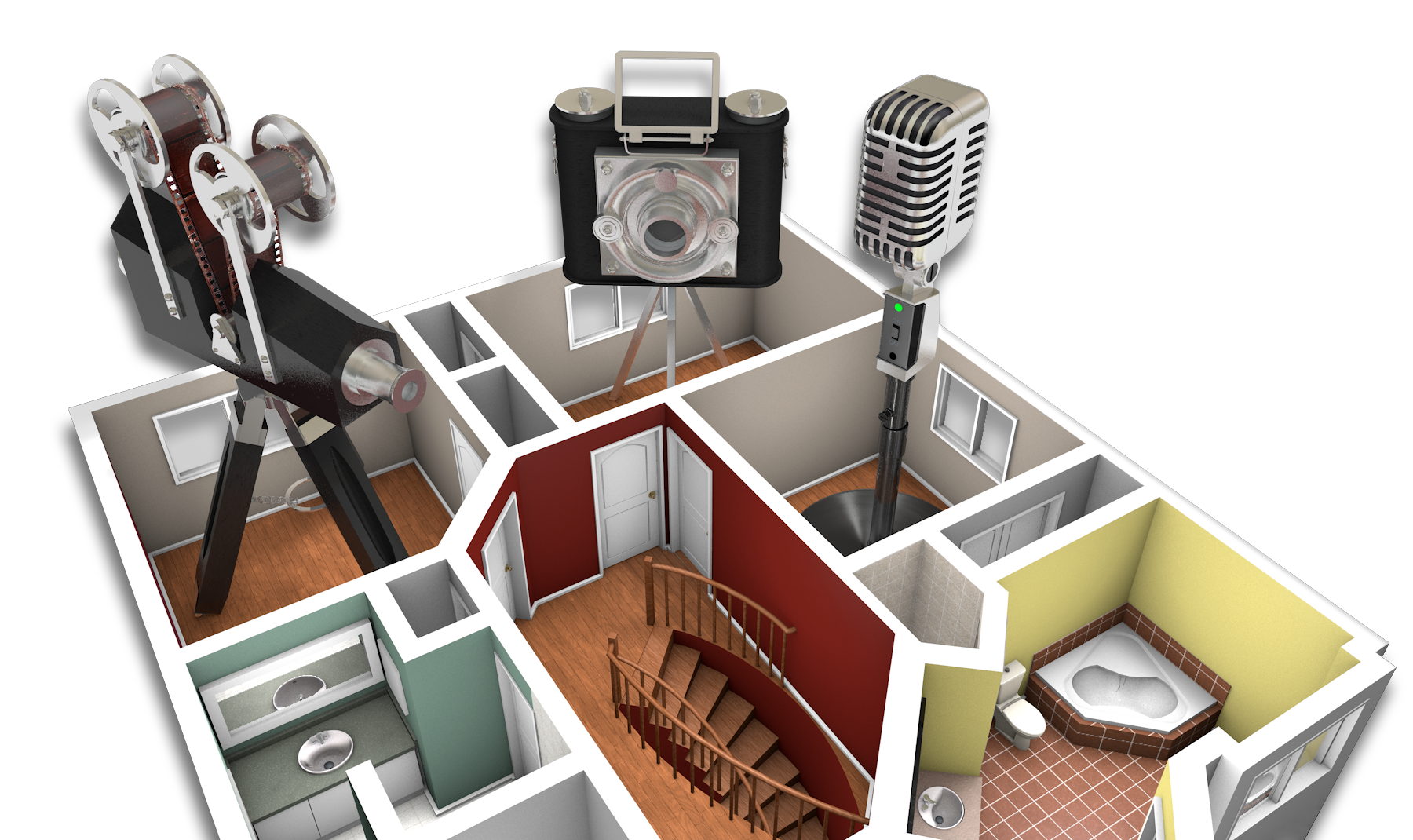
A buyer cannot fully appreciate a 10-acre parcel or the layout of multiple outbuildings from standard ground-level photography. We utilize high-altitude drone photography to provide a bird's-eye view of the property lines, pastures, and proximity to trails or amenities. Furthermore, our Video Narrated VR Animated Online Showings allow distant GTA buyers to walk through the main residence and understand the flow of the property before committing to a long drive to Wellington North. This ensures that when showings do occur, the buyers are already highly qualified and emotionally invested.
The Flaherty Advantage for Rural Sellers
When you list your Wellington North hobby farm with the Flaherty Team, you benefit from a system built to handle the complexities of acreage properties and reach the buyers who pay the most:
- Sell for More: We sell homes for 99.2% of market value, putting an average of $13,358 more in our clients' pockets compared to average agents.
- Sell Faster: Our listings sell 52% faster than the average days on market — crucial when navigating rural conditions.
- Reach GTA Buyers: Our Video Narrated VR Animated Online Showings let city buyers tour your property and understand the infrastructure remotely.
- Expert Guidance: We help you navigate zoning, tax class programs, and outbuilding valuations to position your farm perfectly in the market.
Essential Viewing for Sellers
10 Questions You Should Ask Before Hiring A REALTOR
Selling a home with acreage and outbuildings takes specialized experience — make sure you are hiring the right professional.
Why Didn't My House Sell?
Common pitfalls that cause homes to expire on the market, and how to avoid them.
How to Avoid Legal Mistakes When Selling
Disclosure matters even more with rural properties — Ontario's TRESA regulations require full disclosure of known issues.
Passing the Building Inspection
What inspectors look for on rural properties, including septic, well, and structural components of barns.
What Our Clients Say
Read more success stories at flaherty.ca/reviews.
Resources for Wellington North Sellers
Related Guides for Wellington North Sellers

About Kevin Flaherty
Kevin Flaherty is a real estate broker with over 38 years of experience and over $500M in real estate sold across south-central Ontario. With a dedicated marketing team, Kevin uses proprietary Video Narrated VR Animated Online Showings to give Wellington North properties maximum exposure, letting GTA buyers tour homes remotely before they make the drive north. His proven system sells homes for 99.2% of market value and 52% faster than the industry average.
Call Kevin directly: 226-270-6433
Download the Hobby Farm GuideFrequently Asked Questions About Selling Hobby Farms
What is the most important thing to know about selling a hobby farm in Wellington North?
The most critical factor is proving the functionality of your infrastructure and understanding your zoning before listing. Buyers relocating from the GTA view untested wells, aging septic systems, and unpermitted outbuildings as massive financial liabilities. By securing pre-listing inspections and verifying your permitted uses under Agricultural or Rural zoning, you remove the buyer's greatest fears and protect your asking price.
What is considered a hobby farm in Ontario?
A hobby farm is typically a small rural property where the owner lives full-time and engages in light farming for enjoyment or supplemental food, rather than as their primary source of income. In real estate, these are treated as residential homes with an accessory agricultural use. They often range from 2 to 10 acres, though there is no strict legal acreage limit.
What is the difference between Agricultural (A1) and Rural (RU) zoning?
Agricultural (A1) zoning is designed to protect commercial farming and allows for larger barns and more intensive livestock operations, but strictly limits non-farm residential uses. Rural (RU) zoning is often applied to less productive land and generally permits a single detached dwelling along with accessory buildings for light hobby farming. Kevin Flaherty verifies your exact zoning to ensure we market the permitted uses accurately.
Do barns and outbuildings add value when selling a farm?
Yes, but their value is contributory, meaning it is not dollar-for-dollar what they cost to build. Well-maintained outbuildings with concrete floors, electricity, and proper permits add significant appeal for buyers looking for workshops or livestock housing. However, a dilapidated barn can be viewed as a liability or demolition expense.
Can you sever a lot off a hobby farm in Ontario?
Severing agricultural land is extremely difficult. Provincial planning policies aim to preserve large tracts of farmland. In most cases, severances in prime agricultural areas are only permitted for "surplus farm dwellings" resulting from the consolidation of two farming operations. If you believe your property has severance potential, Kevin Flaherty recommends verifying this with the local municipality before making any claims to buyers.
What do horse buyers look for when buying a hobby farm?
Equestrian buyers prioritize functional infrastructure over cosmetic house upgrades. They look for well-drained sandy loam soil, reliable water sources like high-flow wells and frost-free hydrants, safe fencing (no barbed wire), pasture rotation capability, and structurally sound barns with good ventilation and safe stall layouts.
Can a buyer continue the Farm Property Class Tax Rate Program?
The reduced property tax rate does not automatically transfer to the new owner. The buyer must reapply through Agricorp and prove they meet the eligibility requirements, which include having a valid Farm Business Registration (FBR) number and using the property for a qualifying farm business. If they stop farming, they will lose this status and face a significant tax increase.
How do you market a Wellington North hobby farm to GTA buyers?
You must allow them to experience the property remotely. High-altitude drone photography shows the lot lines and outbuildings, while our Video Narrated VR Animated Online Showings walk them through the home. This lets city buyers emotionally commit before making the drive, ensuring only serious buyers book in-person showings.
Why are Video Narrated VR Animated Online Showings so valuable for acreage properties?
A rural buyer cannot fully judge a property's layout and infrastructure from static photos alone. Our VR showings provide an accurate scaled model of the home and narrate the property's key features. In Kevin's experience, this technology is the most effective way to capture the attention of distant buyers and secure top dollar.
Do I need a survey to sell my acreage property?
While not strictly required by law, having an up-to-date survey is highly recommended when selling acreage. It clarifies exact property lines, identifies any encroachments (like a neighbor's fence on your land), and provides certainty to buyers. If you do not have one, we can often rely on municipal mapping, but a legal survey is the gold standard.
How does well and septic affect selling a farm with multiple buildings?
Farms often have larger septic systems or multiple systems serving different buildings (e.g., a main house and a barn washroom). Buyers will demand proof that all systems are compliant and functioning. Providing a recent septic inspection and well water flow/quality test upfront prevents buyers from using infrastructure uncertainty to lower their offers.
What is the best time of year to sell a hobby farm?
Spring and early summer are traditionally the best times to showcase acreage, as pastures are green, gardens are blooming, and the property looks its best. However, serious buyers shop year-round. Kevin Flaherty notes that a well-prepared property priced correctly can sell successfully even in winter, provided the marketing effectively highlights the home's features.
How long does it take to sell a hobby farm?
Hobby farms often take slightly longer to sell than standard residential homes because the buyer pool is more specialized. However, by pricing accurately and utilizing targeted marketing to reach GTA buyers, we minimize days on market. The Flaherty Team's listings sell 52% faster than the industry average.
Does my hobby farm need a farm business registration to sell?
No, you do not need a Farm Business Registration (FBR) to sell the property. However, if you are currently enrolled in the Farm Property Class Tax Rate Program, you will have an FBR. Buyers will need to obtain their own FBR if they wish to continue receiving the reduced tax rate after closing.
Are there environmental restrictions on my property?
Many rural properties in Wellington North feature wetlands, woodlots, or areas regulated by the Grand River Conservation Authority. These features can limit where a buyer can build new structures or expand existing ones. It is important to disclose any regulated areas upfront so buyers have realistic expectations about future development.
Should I get a pre-listing inspection on the barn and outbuildings?
Yes. Kevin Flaherty advises sellers that a pre-listing inspection of major outbuildings is just as important as inspecting the main house. Identifying structural issues, unpermitted electrical work, or roof leaks allows you to address them before listing, preventing the buyer from using them as leverage during negotiations.
Is asbestos a concern in old barns?
It can be. Older barns and outbuildings may contain asbestos in roofing materials, insulation, or siding. If asbestos is present and in good condition, it is often best left undisturbed. However, buyers may request testing or remediation. Disclosing the age of the buildings and any known materials helps manage buyer expectations.
How is selling a hobby farm different from selling a house in town?
Selling a hobby farm involves marketing a lifestyle and a business asset simultaneously. Buyers are evaluating the land's productivity, the functionality of the outbuildings, zoning restrictions, and private infrastructure like wells and septic systems. It requires a specialized approach that goes far beyond simply listing the bedroom and bathroom count.
What documents do I need to sell a hobby farm?
You should gather your property tax bills (showing farm tax class if applicable), well records, septic pump-out receipts, any existing surveys, permits for outbuildings, and documentation of any easements or rights-of-way. Having these ready builds immediate trust with buyers.
How do I evaluate an offer on a hobby farm?
You must look beyond the purchase price. Evaluate the timelines and specific wording of conditions related to financing, well/septic inspections, and zoning verification. Kevin Flaherty helps sellers weigh the complete offer to ensure they accept the one with the highest probability of actually closing, rather than just the highest number on paper.
What happens if my well water test comes back positive for bacteria?
A positive test is common on rural properties and is usually fixable. It typically requires shocking the well with a chlorine solution and retesting, or installing a UV water purification system. It is much better to discover and resolve this issue before listing than to have a buyer uncover it during their conditional period.
Do lenders require septic compliance for hobby farms?
Yes. Major lenders and mortgage insurers increasingly require evidence of a functioning, compliant septic system before approving financing. If a severe issue is discovered, the lender may decline the mortgage, causing the deal to collapse. Kevin coaches sellers to obtain a pre-listing inspection to avoid this scenario.
How much does a well flow test cost?
A professional 1-hour well flow test usually costs around $300. It measures the volume of water the well can deliver consistently and how quickly the water level recovers, providing the hard data buyers need for peace of mind when considering a property with livestock or multiple outbuildings.
What is the "bedroom count trap" with septic systems?
Under Part 8 of the Ontario Building Code, septic systems are sized based on the maximum daily sewage flow, which is calculated by the number of bedrooms, not the number of occupants. If you added bedrooms without upgrading the septic system, your home is technically non-compliant. Kevin Flaherty verifies the legal capacity of your system against your current bedroom count before listing to avoid claims of misrepresentation.