Kevin Flaherty, real estate broker, smiling in a professional suit with a blue tie, representing the Flaherty Team.
Kevin Flaherty, top 1% Orangeville realtor for 10+ years, providing free no-obligation home value opinions — call 226-270-6433
Kevin Flaherty Home Selling System Team branding graphic featuring the text ‘Kevin@Flaherty.ca
’ and toll-free phone number 1-877-352-4378
Graphic with the text ‘Online Showings – Get Your Home Sold Faster & For More!’ promoting Video Narrated VR animated online showings for faster real estate sales
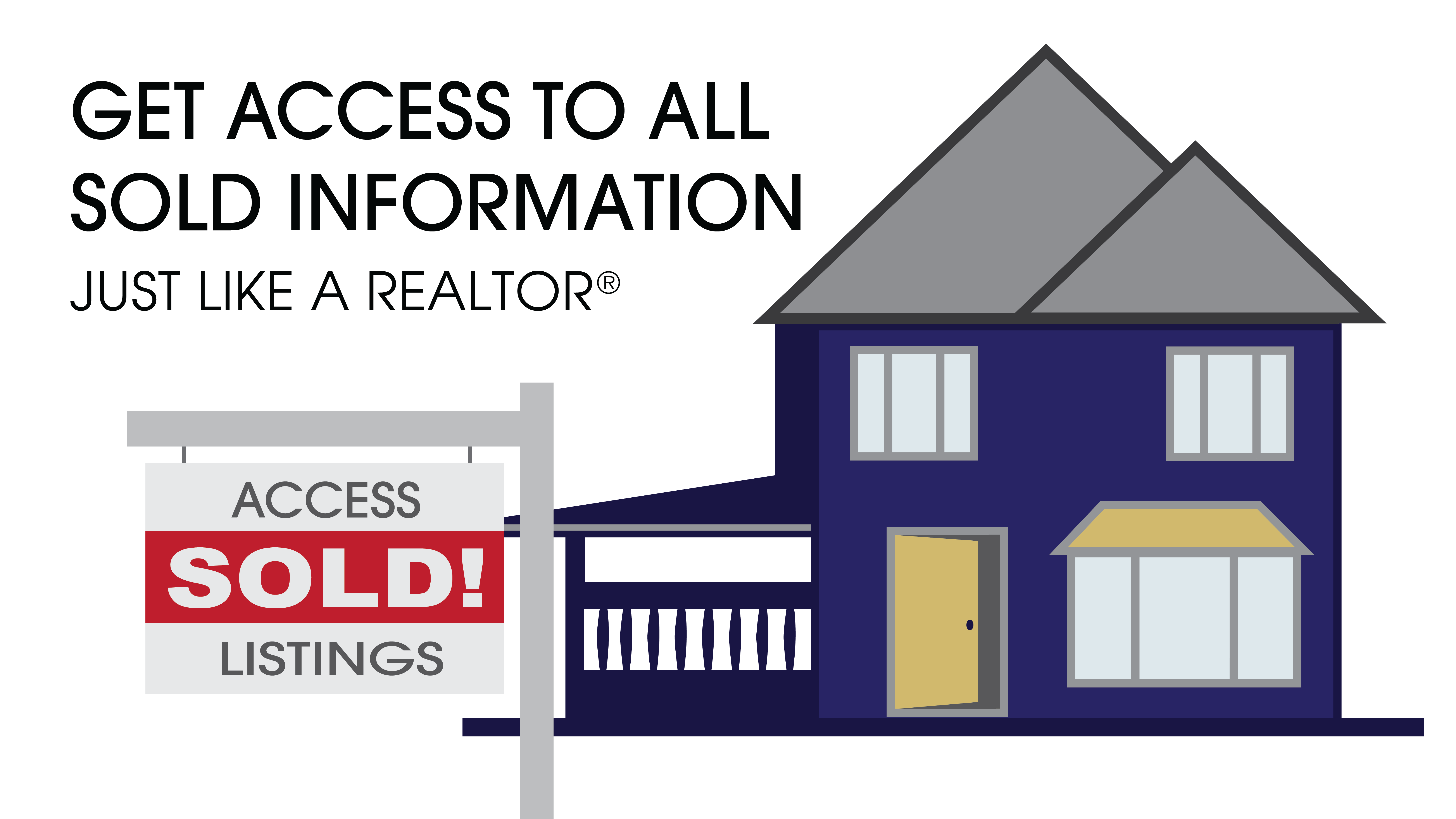
Real estate marketing graphic showing a house with a ‘SOLD!’ sign promoting access to sold listings and property information, with a yellow ‘Click Here’ button offering access similar to a REALTOR.
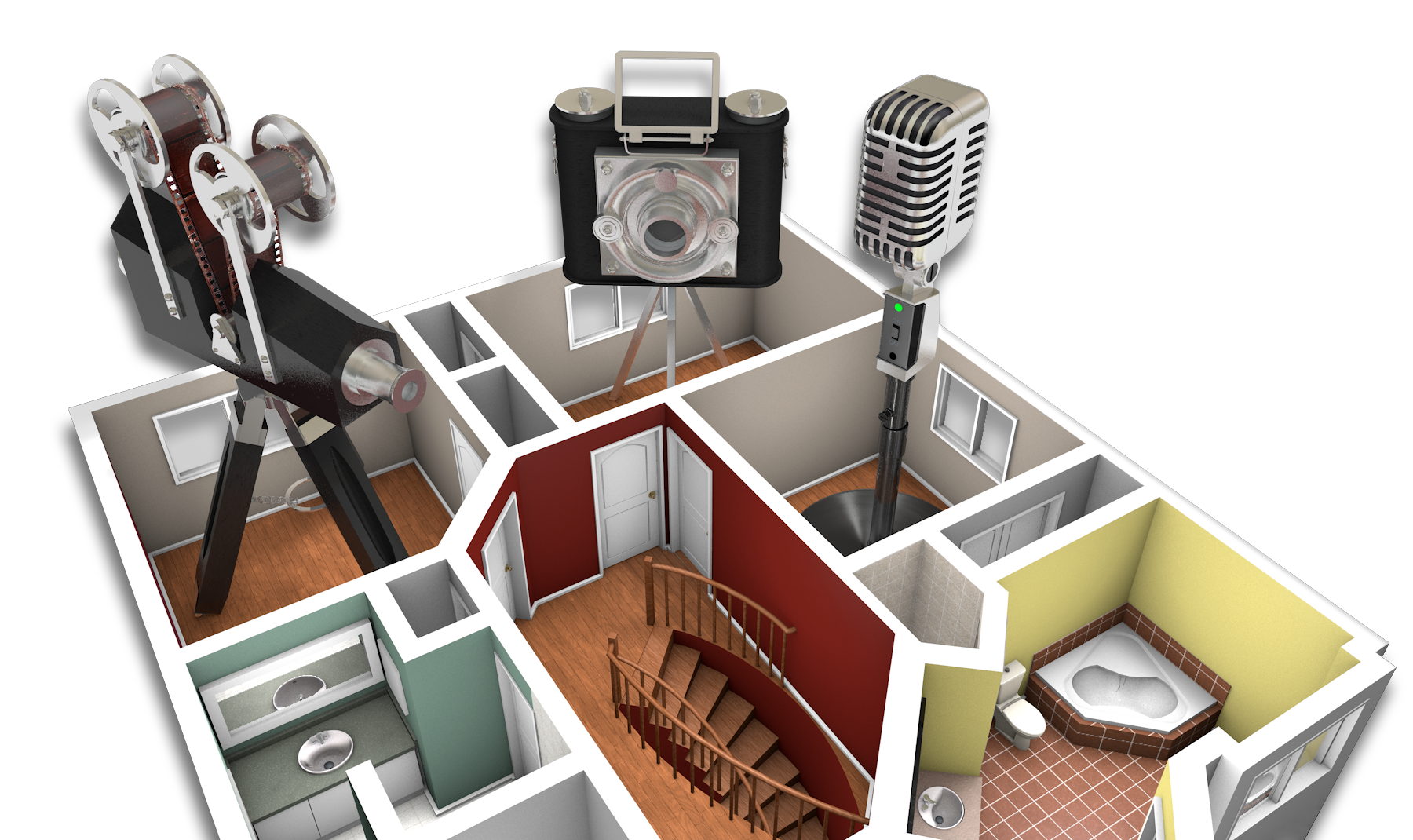
VR floor plan of a home with oversized camera, video camera, and microphone graphics representing high-quality real estate photography, and video narrated VR animated online showings for advanced property marketing.
Flaherty Team logo with Kevin@Flaherty.ca featuring "Flaherty" in bold text, "Home Selling System Team" below, emphasizing real estate services
Graphic with the text ‘Online Showings – Get Your Home Sold Faster & For More!’ promoting Video Narrated VR animated online showings for faster real estate sales
Kevin Flaherty in a blue suit offering a free Downsizing from a House to a Condo PDF Guide at 43.923525, -80.082650

Ontario House-to-Condo Downsizing Guide

Downsizing from House to Condo in Ontario

Moving to a condo can reduce exterior maintenance and simplify your routine, but the decision should be based on total costs, condominium rules, space, accessibility, and a coordinated plan for selling your current home.

Updated July 13, 2026·14-minute read·Ontario homeowner guide

People also ask

Quick answers before you start

Does moving from a house to a condo always save money?

No. A condo may reduce exterior maintenance and irregular repair work, but the full comparison must include mortgage costs, property tax, insurance, utilities, common expenses, parking, storage, and a contingency for fee increases or special assessments.

What is the biggest lifestyle change after moving to a condo?

You move from controlling a private property to sharing decisions, costs, and rules through a condominium corporation. The tradeoff can be worthwhile when simpler maintenance and a lock-and-leave routine matter more than private control.

Should I sell my house before buying a condo?

Selling first clarifies your available equity and reduces the risk of carrying two homes. Buying first may secure the right condo, but it requires verified financing, carrying-cost limits, and a realistic plan if the house takes longer to sell.

What documents matter when buying a resale condo?

The current status certificate and its attachments are central. Your Ontario real-estate lawyer should review the declaration, by-laws, rules, budget, financial statements, reserve-fund information, insurance, common expenses, disclosed assessments, and legal issues before the condition deadline.

Can a condo be a bungalow or detached home?

Yes. Condominium describes a legal ownership and governance structure, not one building style. A condo can be an apartment, townhouse, bungalow, bungaloft, semi-detached home, or detached home depending on the registered plan.

The direct answer

A condo can simplify homeownership, but only if the complete tradeoff fits

Downsizing from a house to a condo is usually a lifestyle decision first and a financial decision second. You may gain easier exterior maintenance, a smaller footprint, and more travel flexibility. In exchange, you accept common expenses, shared governance, corporation rules, and less control over some property decisions.

The strongest move is not the smallest unit or the lowest condo fee. It is the property whose total monthly cost, documents, location, space, rules, accessibility, and resale considerations work with the net equity and timing of your current-home sale.

This guide applies to apartment condos, townhouses, stacked units, bungalow and bungaloft condominiums, and some semi-detached or detached condominium homes. Condominium describes the legal structure, not a specific building height or style.

Experience for both sides of the move

Plan the sale before the condo purchase becomes urgent

Kevin Flaherty is a Real Estate Broker with eXp Realty and the Flaherty Team. Licensed since 1988 with over $500M sold, Kevin helps Ontario homeowners connect the value, preparation, and timing of a current-home sale with the budget and conditions of the next purchase.

The approach is practical and low pressure: establish what the house may sell for, determine what preparation is worthwhile, define the next-home brief, and select a transaction sequence that matches the homeowner's financing and risk tolerance.

Since 1988Licensed real-estate experience
$500M+Career sales volume
One planSale, purchase and move coordinated

Lifestyle fit

What actually changes after moving from a house to a condo?

The visible change is less private space. The deeper change is moving from individual property control to shared costs, shared rules, and collective decision-making.

Condo living may fit when you want

  • Less responsibility for defined exterior or common-element maintenance.
  • Fewer rooms, stairs, tools, systems, and seasonal tasks to manage.
  • A location closer to healthcare, shopping, family, recreation, or transportation.
  • A lock-and-leave routine that supports travel or time away.
  • Amenities or social spaces you will genuinely use.
  • A home that can support likely mobility needs.

Pause when the tradeoff conflicts with daily life

  • You need a workshop, extensive storage, multiple vehicles, or private outdoor space.
  • You strongly value control over repairs, exterior design, contractors, and timing.
  • Pet, parking, leasing, smoking, noise, or renovation rules conflict with your plans.
  • The route from parking to the unit is difficult for current or likely mobility needs.
  • The condo works during a showing but not during an ordinary week.
  • You would need permanent off-site storage to make the space function.
Test the routine, not only the finishes. Walk from parking to the unit. Find the garbage, recycling, mail, storage, visitor access, pet relief area, stairs or elevators, and delivery route. Visit at different times and listen for traffic, mechanical, hallway, amenity, and neighbouring-unit noise.

Complete cost comparison

A condo fee is one line in the budget, not the whole answer

Compare current-house costs, proposed-condo costs, and one-time transition costs separately. Then decide whether the move improves monthly cash flow, reduces financial volatility, or simply reallocates spending toward the lifestyle you prefer.

Current-house costs

  • Mortgage payment and secured credit
  • Property tax and home insurance
  • Heat, hydro, water, internet, and rentals
  • Landscaping, snow, and service contracts
  • Average repairs and major replacements
  • Transportation costs affected by location

Proposed-condo costs

  • Mortgage payment and property tax
  • Unit-owner insurance
  • Common expenses and exact inclusions
  • Utilities and services billed separately
  • Parking, locker, and amenity charges
  • Unit maintenance plus a contingency for increases or assessments

One-time costs that affect available equity

Selling and moving can involve agreed real-estate compensation, legal services, mortgage discharge or prepayment costs, preparation, repairs, movers, packing, disposal, storage, temporary accommodation, and closing adjustments. The condo purchase may involve a deposit, down payment, land transfer tax, legal services, title insurance, inspections or specialists, lender costs, adjustments, moving coordination, and permitted work after closing.

Use estimated net proceeds, not the list price. Keep emergency savings and a transition contingency separate from the amount you intend to use for the condo purchase.

Condominium due diligence

Read the condominium corporation, not just the suite

A renovated unit can still be the wrong purchase when the rules conflict with your life or the corporation's finances create unacceptable cost or disruption risk.

Have the current status certificate reviewed

An Ontario real-estate lawyer should review the current certificate and attachments within the applicable condition period. Important items can include the declaration, by-laws, rules, budget, financial statements, reserve-fund information, common expenses, disclosed increases or assessments, insurance, litigation, arrears, and other corporation matters.

Ask what the documents mean for this unit and this buyer. A general explanation cannot replace transaction-specific legal advice.

Understand the reserve fund and future work

Ontario condominium corporations maintain reserve funds for major repairs and replacements of common elements and assets. Reserve-fund studies estimate future work and funding needs, but assumptions and costs can change.

Review the funding plan, disclosed major projects, financing, recent changes, and how the work could affect fees, assessments, access, noise, insurance, or resale.

Questions that can change the decision

  • What exactly is included in common expenses, and what is billed separately?
  • Are any increases, assessments, borrowing, major projects, insurance issues, or legal proceedings disclosed or reasonably anticipated?
  • Are parking and locker interests owned, exclusive-use, leased, or otherwise limited?
  • Do pets, leasing, smoking, renovation, floor covering, balcony, vehicle, or noise rules affect your plans?
  • Were prior unit changes authorized, and what approval will your planned work require?
  • What insurance deductibles and repair obligations could be charged back to an owner?

Interactive planning tool

House-to-Condo Cost Comparison Calculator

Enter monthly Canadian-dollar cash-flow costs for the current house and proposed condo. The tool adds the components, compares monthly and annual totals, and includes one-time transition costs over your selected period.

Current house monthly costs
Proposed condo monthly costs
Transition assumptions

All values remain in your browser and are not stored or transmitted.

House monthly total$0
Condo monthly total$0
Condo minus house monthly$0
5-year house cash outflow$0
5-year condo cash outflow, including one-time costs$0
Planning comparisonEnter your values.
Planning-only limitation: This calculator compares cash outflow. It does not model sale price, net equity, mortgage principal, appreciation, investment returns, taxes, financing approval, future fee changes, special assessments, inflation, or legal obligations. Results are estimates, not a quotation, guarantee, or legal, tax, financial, lending, insurance, or condominium-document opinion.

Side-by-side comparison

House versus condo: the everyday tradeoffs

Decision areaHouseCondo
MaintenanceYou choose timing, contractors and priorities.The corporation manages defined common elements; you maintain the unit and owner responsibilities.
ControlMore private control over exterior work and use.Declarations, by-laws and rules govern renovations, pets, parking, leasing, noise and common areas.
SpaceUsually more storage, utility and outdoor space.Less space can be simpler but requires a realistic plan for furniture, hobbies and seasonal items.
CostsIrregular repairs and replacements are your responsibility.Regular common expenses fund shared operations and reserves; increases or assessments can still occur.
TravelYou arrange property checks and maintenance while away.A lock-and-leave routine may be easier, subject to insurance and corporation requirements.
Decision makingYou make most property decisions yourself.Owners elect a board and share corporation decisions, obligations and costs.

The specific responsibilities depend on the registered condominium documents and the unit. Confirm the actual allocation of maintenance and repair obligations.

Kevin Flaherty in a blue suit offering a free Downsizing from a House to a Condo PDF Guide at 43.923525, -80.082650

Take the House-to-Condo Downsizing Guide with you

Use the six-page guide to compare lifestyle, complete costs, condominium documents, transaction timing, and final readiness.

Download House-To-Condo-Downsizing-Guide.pdf

A coordinated sequence

How to move from a house to a condo without improvising the timing

The order can change, but every successful plan needs the same seven decisions.

1

Define your condo and lifestyle brief

List must-haves for location, accessibility, pets, parking, storage, outdoor space, amenities, rules, privacy, and monthly budget.

2

Estimate net sale proceeds

Use a current home evaluation and subtract the mortgage, likely selling costs, legal costs, moving costs, and a practical contingency.

3

Compare complete monthly costs

Compare mortgage payments, property tax, insurance, utilities, common expenses, parking, storage, transportation, and maintenance reserves.

4

Prepare the current house

Decide what to repair, pack, donate, sell, store, and professionally present before the listing goes live.

5

Review the condo and corporation

Compare the unit, condition, location, rules, status certificate, financials, reserve funding, insurance, and disclosed assessments or legal issues.

6

Confirm conditions and financing

Use transaction-specific legal, financing, inspection, status-certificate, insurance, and sale conditions where appropriate.

7

Coordinate both closings and the move

Align lawyers, lenders, insurance, movers, utilities, key times, elevator bookings, payment transfers, storage, and temporary needs.

Selling the current home

The condo budget starts with the house you need to sell

A current evaluation helps establish the likely value range, preparation priorities, market strategy, timing, and estimated net proceeds. That information should guide the next-home budget before a condo showing creates pressure to act.

Video Narrated VR Animated Online Showings

Kevin's selling system presents both the property and surrounding area amenities so prospective buyers can understand the layout, features, upgrades, and location before booking an in-person visit. Sellers gain a stronger digital presentation and more qualified physical showings.

See how the Online Showing system works ›

Your next decision

Choose the condo with a clear sale plan behind it

A low-pressure planning conversation can establish the current-home value, the work worth doing before sale, likely net equity, and whether selling first, buying first, or coordinating closings best fits your situation.

Seller education

Five videos to help you prepare the current-home sale

10 Questions to Ask Before You Hire a Realtor (Interview Guide)

A practical interview guide covering 10 questions homeowners can ask before choosing a Realtor to sell their property.

Pro Real Estate Tips - Why Didn't My House Sell?

Kevin reviews common reasons a listing may fail to sell and the questions homeowners should examine before trying again.

Pro Real Estate Tips - How to Avoid Legal Mistakes When Selling Your House

Kevin outlines legal mistakes homeowners should avoid when preparing to sell and complete a real-estate transaction.

Pro Real Estate Tips - Home Inspection

Kevin discusses how a home inspection can affect a real-estate transaction and the decisions buyers and sellers make.

Client experiences

What homeowners say about working with Kevin

★★★★★
Kevin's experience and marketing team sold my home over asking price in one day. The house was sold before it even went on MLS. We did not have to go through open houses or multiple viewings. The professional videos his team produces are amazing.
Brian Masulka · Google Review
★★★★★
The property was listed and sold with second viewing within two days at more than the asking price. The closing dates of this place and the new purchase matched perfectly. Kevin and his team were the epitome of skill and efficiency.
Norma Soul · Google Review
★★★★★
I couldn't believe how fast my home sold at a time when other homes were sitting on the market. Kevin got mine sold quickly and at a price that was top dollar and even more than I expected. His video narrated VR animated online showing gave my home amazing exposure and reduced unnecessary showings. Kevin was a pleasure to deal with. He was always patient and kept me informed every step of the way. I highly recommend his innovative approach.
Joanne Holding · Google Review

Read more Flaherty Team reviews and watch client testimonials ›

Frequently asked questions

Downsizing from a house to a condo in Ontario

Is downsizing from a house to a condo a good idea in Ontario?
It can be a good decision when you want less exterior maintenance, fewer unused rooms, easier travel, and a home that better fits your next stage of life. It is not automatically better or cheaper. Compare the rules, total costs, storage, parking, privacy, accessibility, location, and condominium finances before deciding.
Will moving to a condo reduce my monthly expenses?
Possibly, but not always. Compare mortgage payments, property tax, insurance, utilities, common expenses, parking, storage, transportation, and a reserve for personal repairs. A lower purchase price does not guarantee a lower all-in monthly cost.
What do condo fees usually include?
Common expenses may fund maintenance, management, insurance for the corporation, utilities or services, amenities, and contributions to the reserve fund. Inclusions vary by corporation. Confirm the current amount, the unit's share, and exactly what is included and excluded in the current documents.
Can condominium fees increase after I buy?
Yes. Budgets, insurance, utilities, contracts, repairs, inflation, reserve-fund contributions, and unexpected costs can affect future common expenses. Review disclosed increases and the corporation's finances, but do not assume the current fee will remain unchanged.
What is a special assessment in an Ontario condominium?
A special assessment is an additional charge collected from owners when the corporation needs funds beyond its regular budget or available reserves. The amount and reason vary. Ask about current, approved, proposed, or reasonably anticipated assessments and have your lawyer review the disclosure.
What is a status certificate?
A status certificate provides important information about a resale condominium unit and its corporation. It commonly includes governing documents, financial information, reserve-fund information, common expenses, insurance, legal matters, arrears, and disclosed assessments or increases. It should be reviewed for the specific unit.
Who should review the status certificate?
Use an Ontario real-estate lawyer who is familiar with condominium purchases. The review must be completed within the applicable condition period, and the advice should address the actual certificate, attachments, agreement, unit, and circumstances.
Why does the reserve fund matter to a condo buyer?
The reserve fund is used for major repairs and replacements of common elements and assets. The reserve-fund study and funding plan help you understand anticipated work and contributions. They are estimates, so review the current information and any changes or major projects carefully.
Should I sell my house before I buy the condo?
Selling first can reduce financing risk and establish your net equity. Buying first can give you more time to find the right condo, but it may create carrying costs. Kevin Flaherty can help you compare the sequence against your sale timeline, condo requirements, and risk tolerance.
Can I buy first and use bridge financing?
Bridge financing may be available in some transactions, but lender requirements, firm-sale conditions, timing, security, and costs vary. Confirm eligibility and exact terms with a qualified lender before relying on bridge financing in an offer or closing plan.
How do I estimate the equity available for the condo purchase?
Start with a realistic current-home value, then subtract the mortgage and secured debt, expected selling and legal costs, closing adjustments, moving costs, and a contingency. Kevin Flaherty can prepare a current home evaluation and help organize a planning estimate of net sale proceeds.
What costs should I expect when selling my house?
Costs may include agreed real-estate compensation, legal fees, mortgage discharge or prepayment costs, preparation, repairs, moving, storage, and closing adjustments. Kevin Flaherty can explain the selling plan and obtain the transaction-specific information needed for a more realistic estimate.
What buying and closing costs apply to the condo?
Plan for the deposit, down payment, land transfer tax, legal services, title insurance, inspections or specialists, lender costs where applicable, adjustments, moving, and immediate work or furnishings. Confirm current figures with your lawyer, lender, insurer, and other qualified professionals.
How much storage will I need after downsizing?
Measure what you intend to keep and compare it with the unit, locker, parking, bicycle, seasonal, and hobby storage available. Avoid treating paid off-site storage as a permanent solution unless its ongoing cost and inconvenience fit your plan.
Are pets allowed in Ontario condominiums?
Pet rules vary. A corporation may have restrictions relating to number, size, type, behaviour, common-area use, or other conditions, subject to applicable law. Review the current declaration, by-laws, rules, and any unit-specific issues before making a commitment.
Can I renovate a condo after buying it?
Many changes require advance approval and must follow the declaration, by-laws, rules, agreements, building requirements, and applicable permits. Confirm flooring, walls, plumbing, electrical, HVAC, windows, doors, structural changes, work hours, contractor insurance, and elevator booking before assuming work is permitted.
What insurance do I need as a condo owner?
The corporation's insurance is not a substitute for unit-owner coverage. Discuss contents, improvements, additional living expense, liability, deductibles, loss assessment exposure, and any corporation requirements with a licensed insurance professional using the current documents.
How should accessibility affect my condo search?
Look beyond the suite. Test parking-to-unit travel, entrances, elevators, stairs, thresholds, door widths, bathrooms, waste areas, emergency arrangements, and access to services. Kevin Flaherty can add current and likely mobility needs to the property brief before showings begin.
Does condominium ownership always mean a high-rise apartment?
No. Condominium is a form of ownership and governance. Ontario condos include apartment suites, stacked units, townhouses, bungalows, bungalofts, semi-detached homes, detached homes, and vacant-land condominiums. Confirm what the unit owner and corporation each maintain.
Is a 55 plus community the same thing as a condominium?
No. A 55 plus or adult-lifestyle community describes its intended lifestyle or community positioning, while condominium describes a legal structure. A 55 plus community may use condominium, freehold, land-lease, life-lease, rental, or another model. Verify the specific ownership and rules.
How long does a house-to-condo move usually take?
The timeline depends on home preparation, market conditions, financing, condo availability, conditions, closing dates, sorting, and moving needs. Kevin Flaherty can help establish the preferred sequence early so the sale, purchase, document review, and move are coordinated rather than improvised.
How can Kevin Flaherty help with downsizing to a condo?
Kevin Flaherty can help evaluate and prepare the current home, create the selling and marketing plan, estimate net-sale proceeds, define the condo search brief, coordinate the sale and purchase sequence, and keep lawyers, lenders, inspectors, movers, and other professionals aligned with the closing plan.
What is the best first step before looking at condos?
Clarify your lifestyle needs and establish a realistic value and net-equity range for the current home. Kevin Flaherty can start with a no-obligation home evaluation so your condo budget and timing are based on the property you actually need to sell.
Where can I explore Ontario 55 plus and bungalow options?
AdultCommunities.ca provides Ontario-wide community discovery and comparison resources. Kevin Flaherty can help you separate building style from ownership structure, compare regular condos with 55 plus options, and connect the next-home search to the sale of your current property.


South-central Ontario

Areas Kevin serves

Kevin helps homeowners evaluate, prepare, market, and sell across Orangeville, Dufferin, Caledon, New Tecumseth, Wellington North, and surrounding communities.

Helpful public resources

Ontario condominium information for buyers

Ontario land transfer tax

Provincial information about land transfer tax. Obtain transaction-specific advice from your lawyer or tax professional.

Professional community presence

Our Local Business Community Connections

Kevin Flaherty, Real Estate Broker with eXp Realty and the Flaherty Team

About the author

Kevin Flaherty, Real Estate Broker

Kevin Flaherty is a Real Estate Broker with eXp Realty and the Flaherty Team, licensed since 1988 with over $500M sold. He works with homeowners across south-central Ontario who are selling, downsizing, relocating, or coordinating a current-home sale with the purchase of a condo, bungalow, or adult-lifestyle property.

Kevin's role is to bring the moving parts into one practical plan: home value, preparation, marketing, net proceeds, next-home requirements, conditions, professional reviews, closing dates, and the move itself.

Office: 170 Lakeview Court, Orangeville, Ontario
Direct: 226-270-6433

Free six-page planning guide

Download the House-to-Condo Downsizing Guide

Review lifestyle fit, complete costs, condominium documents, timing, and the final readiness checklist before you make a binding decision.

Download House-To-Condo-Downsizing-Guide.pdf
Contact form for home valuation inquiries, featuring a prominent "What's Your Home Worth?" heading and submit button, reflecting Flaherty Real Estate's services for homeowners.

170 Lakeview Crt #3a

Orangeville, ON

L9W 3R3

Logo of eXp Realty Brokerage a real estate agency.

Not Intended To Solicit Properties Already Listed For Sale.

A HoneyCombHub.ca Web Site Solution

Copyright 2026 . All rights reserved.

Terms of Service/Privacy Policy