





Selling Your Home to Move to a Retirement Community
Kevin Flaherty helps you sell your current home and coordinate the move to an Ontario retirement community. Working with one Realtor for both transactions keeps the timeline tight, maximizes your equity, and ensures a seamless transition.
Start Your Home Evaluation Download Guide (PDF)Explore 55+ Communities Across Ontario
Looking for your next home? Browse freehold, condo, and land-lease retirement communities across the province with live MLS listings updated daily.
Find Your CommunityYour Selling and Moving Guide Map
Jump to any section below:
Common Questions About Selling and Moving to a Retirement Community
Should I sell my house before buying in a 55 plus community?
Selling first gives you an exact budget and eliminates the stress of carrying two properties. However, in a competitive market, buying first ensures you secure your desired community lot or model. Kevin helps you evaluate your financial position to choose the best sequence.
How long does it take to sell and move to a retirement community?
The entire process typically takes three to six months. This includes time to declutter and stage your home, list and sell it, and align the closing dates. If you are purchasing a new build in a retirement community, the timeline can extend to a year or more.
What is the process for selling a home and buying in a 55 plus community?
The process involves getting a professional home evaluation, decluttering, staging, marketing the home, negotiating the sale, and coordinating the closing dates with your new community purchase. Using one Realtor for both sides simplifies communication and scheduling.
Do I need a Realtor to buy a new build in a retirement community?
Yes. The builder's sales representative works for the builder, not you. Having your own agent ensures your interests are protected during contract review, deposit structure negotiation, and coordinating the sale of your current home with the builder's timeline.
Can I use the equity from my current home to buy into a retirement community?
Yes, most downsizers use the equity from their family home to fund their purchase. If you buy before you sell, you may need bridge financing or a Home Equity Line of Credit (HELOC) to access that equity for your down payment.
Selling your home to move to a retirement community typically takes three to six months from decision to moving day, covering preparation, marketing, sale, and the coordination of both closings. The process requires careful coordination between unlocking the equity in your current property and securing your new home in a 55 plus community. By working with one experienced Realtor for both transactions, you can align closing dates, avoid bridge financing when possible, and ensure a seamless move without the stress of miscommunication between multiple agents.
Many sellers wonder whether they should list their home first or find their retirement community first. There is no single correct answer. If you need the exact proceeds from your sale to determine your budget, selling first is the safest route. If you have your heart set on a specific community where inventory is tight, buying first might be necessary. My role is to help you evaluate your financial position, provide a realistic home evaluation, and build a timeline that protects your equity.
Every real estate transaction in Ontario is governed by the Trust in Real Estate Services Act, and working with a registered brokerage gives you the representation and disclosure protections that TRESA requires. Whether your destination is a bungalow retirement community, a condo, or a land lease property, the sale of your current house sets the budget for everything that follows. Start by browsing 55 plus communities in Ontario to understand your options, then get a free home evaluation to learn what your current property is worth.
Kevin's Experience with Downsizers
I started my real estate career in 1988 at Royal City Realty on First Street in Orangeville, where both of my parents had already been selling real estate for decades. Over my 38 years in the business, I have guided countless couples through the process of selling their family home and transitioning to an adult lifestyle community. I understand the emotional weight of packing up decades of memories. My goal is to handle the complex logistics, from staging and marketing to coordinating dual closings, so you can focus on the exciting next chapter of your life. It is incredibly rewarding to see my clients settle into their new, low-maintenance homes with their financial futures secured.
When to List Your Home
Timing your listing correctly is crucial when transitioning to a retirement community. You must balance current market conditions with the availability of homes in your desired 55 plus community.
| Stage | Typical Duration | Key Activities |
|---|---|---|
| Planning and Evaluation | 2 to 4 weeks | Home evaluation, community research, financial review |
| Preparation | 3 to 6 weeks | Decluttering, repairs, staging, photography, VR tour production |
| Active Marketing | 2 to 8 weeks | Showings, open houses, offer negotiation |
| Sale to Closing | 4 to 12 weeks | Conditions, inspections, coordinating the community purchase |
| Moving Week | 1 week | Closing day logistics, movers, key handover |
If you are purchasing a resale home in an established community like Sandycove Acres or Briar Hill, you generally want to list your home as soon as you start actively touring properties. This positions you to make a strong, confident offer when the right home appears. If you are buying a new build, you will need to align your listing date with the builder's estimated completion timeline, keeping in mind that construction delays are common.
We will review local market data to determine the optimal time to list. In a seller's market, you might afford to wait longer. In a balanced or buyer's market, giving yourself more time to sell ensures you don't have to accept a lowball offer just to meet a closing deadline. National housing data from the Canada Mortgage and Housing Corporation can provide broader context, but your pricing and timing decisions should always be driven by what comparable homes in your own neighbourhood are actually selling for.
Seasonality matters too. Spring and early fall traditionally bring the most active buyers in south-central Ontario, while retirement community inventory does not follow the same rhythm. Homes in popular communities can appear and sell at any time of year. That mismatch is exactly why your listing plan and your community search need to be managed together, not in isolation. If you are researching costs before committing, our guide on how much 55 plus communities cost in Ontario breaks down purchase prices and monthly fees by ownership model.
Preparing Your Home for Sale
Preparing a home you have lived in for twenty or thirty years requires a strategic approach. The goal is to maximize your sale price while minimizing the stress of getting ready for the market.
- Decluttering and DownsizingStart early. Sorting through years of possessions is the most time-consuming part of the process. Decide what will fit in your new, smaller footprint and what needs to be sold, donated, or given to family.
- Strategic RepairsNot all renovations yield a return on investment. We will walk through your home and identify the minor repairs, like fresh paint, fixing leaky faucets, or updating hardware, that will make the best impression on buyers without draining your budget.
- Professional StagingStaging helps buyers visualize themselves in the space. By neutralizing the decor and arranging furniture to highlight the home's best features, we can significantly increase buyer interest and the final sale price.
For downsizers, decluttering serves double duty. Every box you sort before listing is a box you will not have to deal with on moving day, and a lighter home shows better in photographs and virtual tours. Many of my clients use the three-pile method: keep, gift, and donate. Local charities in Orangeville, Shelburne, and Caledon will often pick up furniture donations directly from your home. For a deeper dive into this stage, read our dedicated guide on decluttering before selling your home.
Kevin's Selling Strategy
To get top dollar for your home, you need maximum exposure. My proprietary marketing system is designed to attract serious, qualified buyers from across Ontario.
Video Narrated VR Animated Online Showings
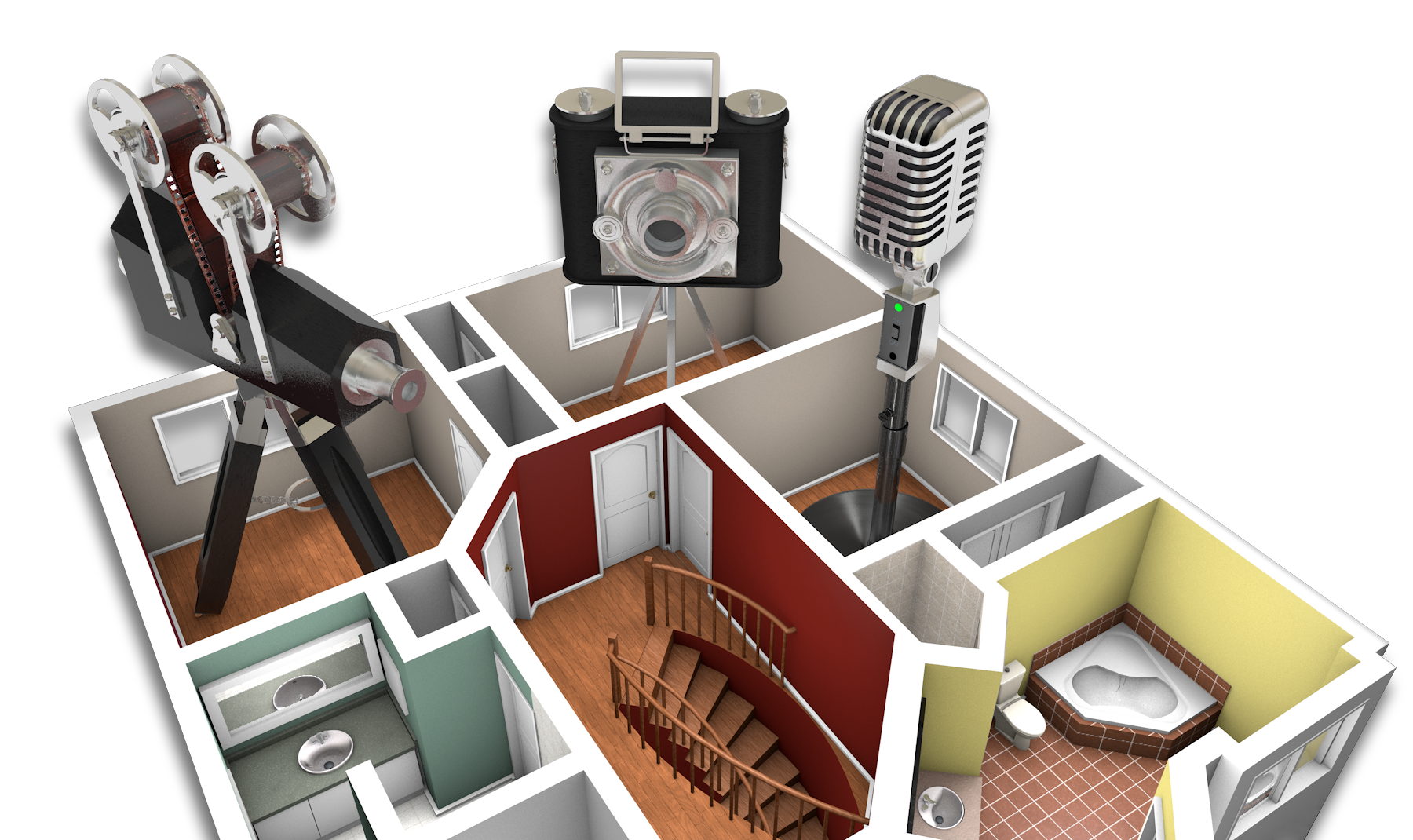
The cornerstone of my approach is Video Narrated VR Animated Online Showings. This technology allows buyers to take a comprehensive, guided virtual tour of your home and the surrounding neighborhood before they ever step foot on your property. This means the people who do book an in-person viewing are already highly interested, reducing the number of inconvenient, disruptive showings for you.
Pricing Strategy
Pricing a home correctly from day one is critical. Overpricing can lead to your home sitting on the market, becoming stale. Underpricing leaves your hard-earned equity on the table. I use comprehensive market analysis, comparing recent sales of similar properties in your area, to establish a competitive and realistic listing price.
A Marketing Plan Built for Maximum Exposure
Beyond the VR showings, your listing receives professional photography, targeted digital advertising, and full MLS distribution so your property reaches buyers wherever they are searching. With over $500M sold across 38 years since 1988, this system has been refined through every kind of market, from red-hot seller's markets to slow buyer's markets. The result is more qualified eyes on your home and stronger offers, which matters most when your sale proceeds are funding the next chapter of your life in a retirement community.
Coordinating Sale and Purchase
The most complex part of moving to a retirement community is coordinating the sale of your current home with the purchase of your new one. This is where having one experienced Realtor managing both ends of the transaction is invaluable.
| Strategy | Pros | Cons |
|---|---|---|
| Sell First, Buy Later | Exact budget known; no risk of carrying two mortgages. | May need temporary housing if you can't find a new home quickly. |
| Buy First, Sell Later | Secure your ideal retirement home without rushing. | Requires bridge financing; risk of selling current home under pressure. |
| Simultaneous Closing | Seamless transition; move directly from old to new home. | Highly complex to negotiate; vulnerable to delays on either end. |
We will discuss conditional offers, such as making your purchase conditional on the sale of your current home, to protect you during the transition. A back-up plan is equally important. That might mean negotiating a longer closing on your sale, arranging a short-term rental, or including a seller rent-back clause that lets you stay in your sold home for a few weeks after closing. Because I handle both sides of the move, I can build these protections directly into the offers rather than trying to patch timelines together between two different agents.
If you are still deciding which community is right for you, the interactive map at AdultCommunities.ca lets you browse every active adult community in the province, and the companion guide on selling your home to buy into a 55 plus community walks through the same coordination process from the buying perspective.
Bridge Financing and Equity
If you choose to buy your retirement community home before your current home closes, you will likely need to access the equity tied up in your property. Bridge financing is a short-term loan designed specifically for this situation. It "bridges" the gap, providing the funds needed for your down payment or outright purchase until the sale of your existing home is finalized.
Alternatively, if you plan ahead, you might secure a Home Equity Line of Credit (HELOC) on your current home before listing it. This provides a flexible source of funds. We will work closely with your financial advisor or mortgage broker to determine the most cost-effective way to manage your equity during the move. The Financial Consumer Agency of Canada publishes plain-language guides on HELOCs, bridge loans, and mortgage penalties that are worth reviewing before you meet with your lender.
There is also good tax news for most downsizers. If your home has been your principal residence for every year you owned it, the Canada Revenue Agency principal residence exemption generally shelters the full gain from capital gains tax. On the purchase side, remember to budget for Ontario land transfer tax, legal fees, and moving costs so there are no surprises when the final numbers land on your lawyer's desk.
What to Expect on Closing Day
Closing day is the culmination of months of planning. If you are coordinating a simultaneous closing, the funds from the sale of your current home will be transferred to your lawyer, who will then use them to complete the purchase of your new retirement community home.
To minimize stress, I always recommend scheduling your moving company well in advance and planning for a slight overlap if possible. Having a day or two between closing on your new home and handing over the keys to your old home allows you to clean, paint, and move at a comfortable pace.
Here is what a typical closing day looks like when both transactions complete together. Your lawyer receives the buyer's funds for your old home, usually by early afternoon. Those proceeds are applied to your purchase, along with any bridge funds if needed. Title transfers are registered electronically, and your lawyer calls to confirm both deals have closed. Keys for your new home are released, often through your Realtor or the community office, while your old keys are left for the buyer. Plan for the key handover to happen late in the day, and keep essentials like medications, documents, and an overnight bag with you rather than on the moving truck.
Common Mistakes Sellers Make
Avoiding these common pitfalls can save you time, money, and unnecessary stress during your transition.

Click the image above to download your free Selling and Moving to a Retirement Community Guide (PDF).
Watch: A Backstage Tour of the Seller Marketing Plan
If you need to sell your current home before moving to a 55 plus community, this video provides a backstage tour of the seller marketing plan. It shows how Video Narrated VR Animated Online Showings highlight all of a home's key features and benefits online, where buyers shortlist homes they are willing to go see.
How to Get Top Dollar for Your House
A backstage tour of the seller marketing plan, showing how Video Narrated VR Animated Online Showings highlight all of a home's key features and benefits online, where buyers shortlist homes they are willing to go see.
10 Questions You Should Ask Before Hiring A REALTOR
Essential questions to ask any agent before listing your home.
Why Didn't My House Sell?
Understanding the common reasons homes fail to sell on the first try.
How to Avoid Legal Mistakes When Selling
Protect yourself from common legal pitfalls during the selling process.
Passing the Building Inspection
How to prepare your home so it passes the buyer's inspection smoothly.
Client Success Stories
Read what downsizers have to say about working with Kevin Flaherty to sell their family homes.
"Kevin and his team made our transition from a large family home to a retirement community seamless. His knowledge of the different ownership models saved us from making a costly mistake."
"We were overwhelmed by the options until Kevin walked us through exactly what to look for. His Video Narrated VR Animated Online Showings let us tour communities without driving all over Ontario."
Local Expertise: Kevin's Service Areas
If you are selling a home in south-central Ontario to fund your move to a 55 plus community, Kevin Flaherty provides expert listing services across these core regions:
Related Selling and Downsizing Guides
Explore other helpful resources for navigating your transition to a retirement community.
Find Your Next Community on AdultCommunities.ca
Once your selling plan is in place, these community discovery guides help you compare locations, ownership models, and costs across Ontario.

About Kevin Flaherty
Kevin Flaherty is a Real Estate Broker with over 38 years of experience since 1988 and more than $500M sold. Operating out of Orangeville, he specializes in helping clients across south-central Ontario sell their long-held family homes and downsize into adult lifestyle communities. His proprietary Video Narrated VR Animated Online Showings ensure sellers get maximum exposure and top dollar, making the transition to retirement living seamless and financially secure. Call or text direct at 226-270-6433.
A complete checklist covering the selling timeline, home preparation, and coordination strategies to help you seamlessly transition to your new 55 plus community.
Frequently Asked Questions
How long does it take to sell and move to a retirement community?
The entire process typically takes three to six months. This includes time to declutter and stage your home, list and sell it, and align the closing dates. If you are purchasing a new build in a retirement community, the timeline can extend to a year or more.
Should I sell my house before buying in a 55 plus community?
Selling first gives you an exact budget and eliminates the stress of carrying two properties. However, in a competitive market, buying first ensures you secure your desired community lot or model. Kevin helps you evaluate your financial position to choose the best sequence.
What is the process for selling a home and buying in a 55 plus community?
The process involves getting a professional home evaluation, decluttering, staging, marketing the home, negotiating the sale, and coordinating the closing dates with your new community purchase. Using one Realtor for both sides simplifies communication and scheduling.
Do I need a Realtor to buy a new build in a retirement community?
Yes. The builder's sales representative works for the builder, not you. Having your own agent ensures your interests are protected during contract review, deposit structure negotiation, and coordinating the sale of your current home with the builder's timeline.
Can I use the equity from my current home to buy into a retirement community?
Yes, most downsizers use the equity from their family home to fund their purchase. If you buy before you sell, you may need bridge financing or a Home Equity Line of Credit (HELOC) to access that equity for your down payment.
When should I list my home before moving to a retirement community?
Kevin advises listing your home as soon as you start actively touring resale properties, so you are ready to make a strong offer. If buying a new build, list closer to the estimated completion date, factoring in current market conditions and potential construction delays.
How do I coordinate selling and buying a retirement community home?
Coordination involves aligning closing dates, negotiating conditional offers, and potentially arranging bridge financing. Working with a single experienced Realtor ensures both transactions are managed cohesively to avoid delays and miscommunication.
What are the tips for selling a home to move to a retirement community?
Start decluttering early, make strategic minor repairs, invest in professional staging, and price the home correctly from the start. Utilizing advanced marketing like Video Narrated VR Animated Online Showings also maximizes exposure to serious buyers.
What is bridge financing?
Bridge financing is a short-term loan that provides the funds needed for the down payment or purchase of your new home before the sale of your current home closes. It bridges the financial gap between the two transactions. Kevin can coordinate timelines to minimize how long you need the bridge loan, keeping interest costs low.
Do I have to pay capital gains tax when selling my family home?
If the home was your principal residence for all the years you owned it, you generally do not have to pay capital gains tax on the sale. Always consult with an accountant or the Canada Revenue Agency to confirm your specific situation.
How much does it cost to sell a house in Ontario?
Costs include real estate commissions, legal fees, moving expenses, and potentially staging or repair costs. Kevin provides a detailed net sheet during your home evaluation so you know exactly what your proceeds will be.
What are closing costs when buying in a retirement community?
Closing costs typically include land transfer tax (if buying a freehold or condo), legal fees, title insurance, and any adjustments for prepaid property taxes or condo fees. Land lease purchases may have different closing cost structures.
Can I make an offer conditional on the sale of my home?
Yes, this is a common strategy to protect yourself from owning two homes. However, in a strong seller's market, sellers may be less willing to accept an offer with this condition. Your Realtor can advise on the best negotiation tactics.
What is a simultaneous closing?
A simultaneous closing is when the sale of your current home and the purchase of your new home happen on the same day. The funds from your sale are immediately used to complete your purchase. It requires precise coordination by your lawyer and Realtor.
Should I renovate my home before selling it?
Kevin usually advises against major renovations like full kitchen or bathroom remodels, as you rarely recoup the full cost. Focus instead on minor updates like fresh paint, updated lighting, and thorough cleaning.
How do I choose the right Realtor to sell my home?
Look for an agent with extensive experience in your local market and a proven track record of helping downsizers. Ask about their specific marketing plan, such as whether they offer Video Narrated VR Animated Online Showings.
What happens if my house doesn't sell in time?
If your house doesn't sell before your new home closes, you will need bridge financing to cover the purchase. Pricing your home correctly from the start is the best way to avoid this stressful situation.
Do 55 plus communities accept offers conditional on selling a home?
Resale sellers in 55 plus communities might accept conditional offers depending on market conditions. Builders of new communities often have specific deposit structures and may not accept conditions based on the sale of an existing home.
How can I make my home more appealing to buyers?
Professional staging, decluttering, depersonalizing the space, ensuring the home is spotlessly clean, and maximizing natural light are the most effective ways to make your home appealing to potential buyers.
What is a Home Equity Line of Credit (HELOC)?
A HELOC is a revolving line of credit secured by the equity in your home. Some downsizers set up a HELOC before listing their home to access funds for deposits or renovations on their new retirement community property.
Will the buyer of my home require a home inspection?
Most buyers will include a home inspection condition in their offer. Kevin recommends addressing known maintenance issues before listing to ensure the inspection process goes smoothly and doesn't derail the sale.
How do I handle the emotional aspect of selling my family home?
Acknowledge that it is a major life change. Focus on the benefits of your new, low-maintenance lifestyle. Take photos of your home, keep cherished items, and rely on an experienced Realtor like Kevin to handle the stressful logistics of the sale.
What is the land transfer tax in Ontario?
Land transfer tax is a provincial tax paid by the buyer of a property. It is calculated based on the purchase price. If you buy in Toronto, there is also a municipal land transfer tax. This must be factored into your moving budget.
Can Kevin Flaherty help me find a 55 plus community outside my current area?
Yes. Kevin has extensive knowledge of adult lifestyle communities across Ontario. He can list your current home and help you identify and purchase in the right community, whether it is in Simcoe County, Niagara, or anywhere else in the province.