




Mono Sellers Also Asked
These are the questions Mono homeowners most often need answered before they choose a price, prepare the property, or decide whether to sell.
How much is my Mono home worth?
A Mono home value opinion weighs comparable sales, location, usable acreage, condition, service systems, outbuildings and competing listings. Township averages and automated estimates can provide context, but should be checked against those property-specific details.
Are online home-value estimates accurate for Mono acreage?
Automated estimates vary with their data and model. Check whether an estimate reflects usable land, access, private services, condition and comparable rural sales before relying on it for a listing decision.
What documents should I prepare for a Mono home evaluation?
Gather the survey if available, tax and utility information, septic and well records, WETT or propane details, permits, renovation receipts, and any conservation or zoning information that helps a buyer understand the property.
Is a Mono home evaluation the same as an appraisal?
A Realtor’s home evaluation is an opinion intended to support a selling and listing strategy. If a lender, lawyer, accountant or estate representative needs an appraisal, ask that recipient what report and appraiser qualifications it requires. A selling-price opinion does not replace a purpose-specific appraisal.
When should I request a Mono home evaluation?
Request an evaluation before you commit to renovations, choose a list price, or set a moving timeline. That gives you a property-specific value range and shows which preparation decisions are likely to matter to buyers.
This page is for Mono homeowners considering a sale who want a property-specific opinion before choosing a listing strategy. Kevin has helped south-central Ontario sellers since 1988 and has lived in Mono since 1998. The evaluation considers land, condition, private services, community context and current competition.
A Mono evaluation considers the actual setting and usable features of the property. A home in Purple Hill, an acreage in Hockley Valley or an estate-lot home near Orangeville may require different comparable sales and adjustments. A comparative market analysis is useful when it accounts for those differences rather than relying on size and proximity alone.
Below you will find the 30-check evaluation process, value drivers, September and January–September market context, historical Q1 Rural Mono figures and ways to request an evaluation. Use the related Mono seller guides for broader preparation and listing advice.
Market context for a property-specific evaluation
In September 2026, Mono recorded five sales, an average price of $1,064,000 and a median price of $950,000. There were 26 new listings and 71 active listings at month-end. Average listing days on market (LDOM) was 77, and the average sale-to-list price ratio (SP/LP) was 94%.
| Period and geography | Sales | Average price | Median price | New listings | Active listings | Market time | SP/LP |
|---|---|---|---|---|---|---|---|
| September 2026 · Mono | 5 | $1,064,000 | $950,000 | 26 | 71 | 77 LDOM | 94% |
| Jan–Sep 2026 · Mono | 49 | $1,314,225 | $1,250,000 | 224 | Not cumulative | 46 LDOM | 96% |
| Q1 2026 · Rural Mono | 10 | $1,598,400 | $1,287,000 | 52 | 35 | 53 DOM | 94% |
Sources: TRREB September 2026 Dufferin report, Mono, PDF page 7 (monthly and year-to-date, all home types); TRREB Q1 2026 Rural Mono community report, PDF page 2. The historical Rural Mono coverage is not interchangeable with the monthly municipality series. Q1 reports DOM; the September report uses LDOM. Active listings are a point-in-time inventory, not a year-to-date total.
All five September sales in the report were detached; that describes the reported sales, not Mono’s entire housing stock. With only five sales, the properties sold can strongly influence averages and medians. None of these figures predicts an individual home’s value, selling time or negotiation result.
For wider regional context, see TRREB’s September 2026 Market Watch. Regional figures should be kept separate from the Mono results above.
How I Price Mono Estate Homes, Hobby Farms, and Acreage Properties
A Mono valuation starts with sales data, but it cannot end there. A detached home on a conventional lot, an estate-lot property in a prestige pocket, a rolling acreage with trails, and a hobby farm with usable outbuildings may all appear under the same property type. The buyer pool, risk profile, and premium features can be completely different.
I look for the features a buyer will actually pay for. Lot size matters, but usable land matters more. Privacy matters, but not if access is awkward. Outbuildings matter, but only when they are clean, useful, permitted where required, and valuable to the likely buyer. Views, topography, driveway presence, trail access, conservation setting, and proximity to Orangeville all influence how buyers compare one Mono home to another.
Service systems also affect value. A buyer may love the house and hesitate because the septic, well, propane, wood-burning appliance, internet, generator, or permit history is unclear. A good valuation identifies those questions before the offer stage and helps the seller decide what should be documented, tested, repaired, or explained before launch.
Mono pricing rule
Use property-specific comparable evidence and current competition rather than setting a price from the September average. The $1,064,000 reported average is an arithmetic average of sales, not an MLS HPI benchmark or an asking-price formula.
Confirm documents and professional requirements
For wood-burning appliances, obtain the written inspection report required by your insurer from a WETT-certified professional; confirm the required inspection level and timing. WETT certifies people rather than issuing a certificate for the appliance. Public Health Ontario’s well-water testing covers E. coli and total coliform bacteria; it does not establish chemical safety or water quantity. Ask your public health unit about chemical testing and interpretation.
Seek appropriate survey and title advice: maps and aerial images do not establish legal boundaries. Before clearing, grading or structural work, confirm permissions with the Town of Mono and relevant authorities. Verify actual trail rights, park access terms and any private-facility membership; proximity does not grant access.
Record fixtures, chattels, appliances, equipment, rentals and exclusions clearly in the purchase agreement. RECO’s buyer checklist explains why inclusions matter. These records support an evaluation; professional inspections, approvals and due diligence remain property-specific.
What Makes Mono Valuations Different
Mono sellers often own homes that cannot be reduced to a quick price-per-square-foot calculation. A valuation needs to explain why one buyer would choose your property over another Dufferin County alternative. The following value drivers are where the work becomes specific.
Land and setting
Assess privacy, views, usable acreage, gardens, outdoor living and approach against the actual property and relevant sales. Maps and drone images explain setting; they do not establish legal boundaries or recreation rights.
Condition and systems
Organize septic, well, drainage, roof, mechanical, heating, water-treatment, fuel and wood-burning appliance records. They help buyers investigate condition; they do not guarantee insurance, financing or a negotiation outcome.
Sub-community identity
A valuation should name the pocket and explain its buyer appeal. Mono includes Camilla, Cardinal Woods, Fieldstone, Hockley Village, Hockley Valley, Island Lake Estates, Mono Centre, Purple Hill, Starrview Acres, Watermark, and each area can shape buyer expectations differently.
Online clarity
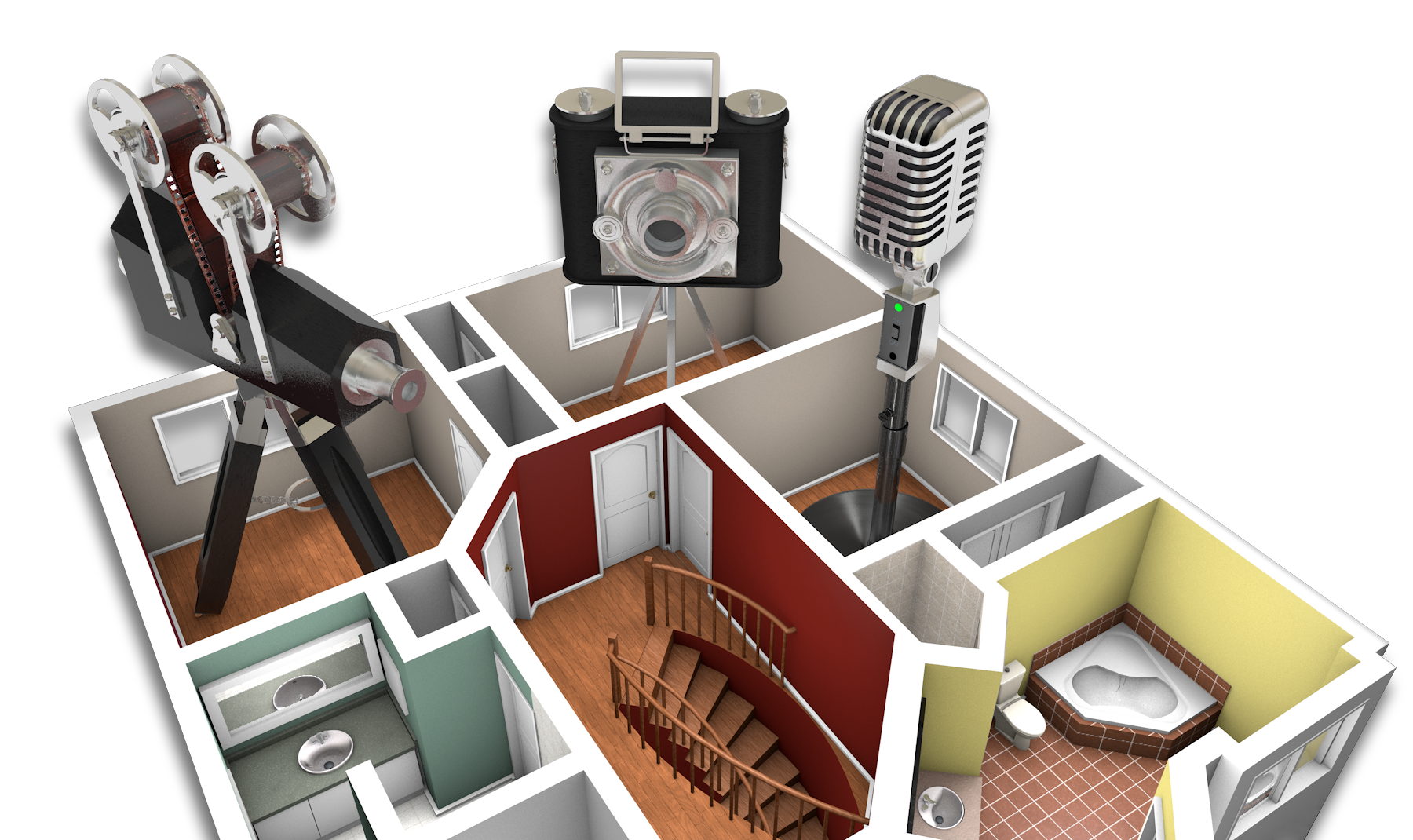
Floor plans, professional photos, aerial context and Video Narrated VR Animated Online Showings help buyers assess layout, features and setting before visiting. Online presentation does not verify financing or qualify a buyer.
Compare sales before your Mono home evaluation
Compare up to three relevant sold properties and see how your own adjustments change the arithmetic. Start with sales that resemble your home’s location, usable land, condition and private services. Kevin can help you select and interpret the evidence.
This worksheet calculates the figures you enter. It does not select comparable sales, verify adjustments or determine your home’s value. It is not an appraisal or a recommended list price.
Request Your Free Mono Home Evaluation
Start with a conversation about your possible sale. Share the property address, timeline, property type, lot size, outbuildings, service systems and recent updates. Kevin will review the available evidence, discuss a likely selling-price range and help you identify the next steps before listing.
For refinancing, estate, tax or legal purposes, ask the intended recipient whether it requires a formal appraisal rather than a Realtor’s selling-price opinion.
Prepare for the conversation
Use the workbook to gather available property documents, service records and renovation history. You can start the conversation even if some records are missing.
The Mono home evaluation process
The purpose of this process is to move from rough opinion to defendable strategy. A seller should know the likely range, the evidence behind it, the risks that could weaken that range, and the marketing plan required to make buyers understand the value.
Phase 1: Build the Mono Valuation Baseline
- Confirm the property type, location, frontage, lot size, services, finished living area, age, condition, and ownership details before comparing any sales.
- Review the September 2026 Mono report: five sales, a $1,064,000 average, a $950,000 median, 77 average LDOM and 94% SP/LP. Treat this small sample as context and confirm the most relevant comparable sales.
- Separate current competition from historical sales so the asking strategy reflects what buyers can choose today, not only what sold months ago.
- Identify the most relevant Mono, Dufferin County, and nearby rural comparables, then remove misleading sales with very different land, services, setting, or condition.
- Model a realistic value range instead of anchoring the seller to one optimistic number that cannot be defended during negotiation.
- Explain where the property sits relative to township averages, premium estate pockets, rural acreage, and conventional detached homes near Orangeville.
Phase 2: Adjust for Land, Setting, and Rural Features
- Evaluate usable acreage, privacy, topography, trails, views, road exposure, driveway approach, fencing, and outdoor living areas.
- Assess outbuildings, workshops, garages, barns, sheds, paddocks, pools, sport courts, garden structures, and equipment areas for real buyer utility.
- Account for private services including septic, well, propane, water treatment, internet options, generators, heating sources, and wood-burning appliances.
- Check whether conservation influence, environmental protection, slope, drainage, or permits could affect buyer confidence or financing.
- Compare the home against community-specific buyer expectations in Camilla, Cardinal Woods, Fieldstone, Hockley Valley, Island Lake Estates, Mono Centre, Purple Hill, Starrview Acres, and Watermark.
- Document features that relevant buyers may value and questions that require verification; acreage, views and improvements do not automatically create a premium.
Phase 3: Test Buyer Confidence Before Choosing Price
- Review likely buyer profiles, including local move-up buyers, Orangeville-area buyers, GTA lifestyle buyers, hobby-farm shoppers, and luxury-acreage buyers.
- Identify the questions each buyer group will ask about commute, schools, shopping, internet, snow maintenance, services, outbuildings, and future use.
- Estimate the buyer objection risk created by deferred maintenance, unclear permits, older mechanical systems, confusing additions, or missing documents.
- Discuss property-specific inspections, bacterial and chemical water-testing needs, WETT inspection reports, septic records, surveys and permit confirmation with appropriate professionals. These steps support due diligence rather than guarantee price protection.
- Compare the seller’s desired net proceeds with realistic pricing, selling costs, likely conditions, and expected negotiation range.
- Choose whether the best pricing path is market-value launch, strategic value-range positioning, or a correction plan for an expired or stale listing.
Phase 4: Translate Value into Marketing
- Create the property story that explains why the home deserves its price instead of relying on room counts and generic adjectives.
- Plan professional photography, aerial context, floor plans, and a Video Narrated VR Animated Online Showing that makes the land, layout, and setting understandable online.
- Write listing copy that names the specific Mono pocket and explains the buyer benefits of privacy, proximity, recreation, views, upgrades, and service systems.
- Prepare an online presentation that answers rural-property questions before buyers book a showing.
- Package documents and disclosures so buyers and their advisers can investigate the property during conditions; online interest does not establish buyer or financing qualification.
- Use the valuation findings to guide launch timing, showing instructions, buyer targeting, and negotiation messaging.
Phase 5: Monitor response and assess offers
- Track online engagement, saved searches, repeat views, showing requests, showing feedback, objections, and comparable listing changes during the first two weeks.
- Separate marketing problems from pricing problems so the seller does not reduce price when the real issue is clarity, presentation, or buyer targeting.
- Adjust wording, imagery, showing strategy, or price quickly if the market signals that buyers do not understand or accept the value position.
- Evaluate offers by net price, deposit, conditions, closing, inclusions, financing strength, and buyer due-diligence risk rather than price alone.
- Use prepared documentation to respond to inspection, septic, well, appraisal, insurance and conservation questions; the response and negotiation outcome depend on the findings and agreement.
- Keep the seller focused on the strongest net outcome, not only the highest headline price or the fastest first offer.
Five Videos That Explain the Valuation-to-Marketing Connection
A valuation is only useful if the market understands it. These videos show how pricing, Realtor selection, online showing quality, the broader selling system, and expired-listing correction all connect to the final result.
How To Get Top Dollar For Your House
Kevin Flaherty explains how pricing, preparation, marketing, and negotiation work together when a seller wants top dollar.
10 Questions to Ask Before Hiring a Realtor
A seller education video on the questions Mono homeowners should ask before choosing representation.
Video Narrated VR Animated Online Showings
A sample of the online showing system that helps buyers understand layout, flow, upgrades, and property context before an in-person visit.
How To Avoid Legal Mistakes When Selling A House
An overview of the #1 one reason sellers can end up in court after selling a house.
Why Didn't My House Sell?
A practical video about correcting pricing, presentation, marketing, and buyer-confidence problems after a listing misses the market.
For the broader seller education library, visit Flaherty.ca seller tips.
Mono Community Context Matters in a Valuation
A home evaluation should not treat the township name as the whole story. A buyer comparing Camilla, Cardinal Woods, Fieldstone, Hockley Village, Hockley Valley, Island Lake Estates, Mono Centre, Purple Hill, Starrview Acres, and Watermark may be responding to different benefits. The right evaluation names those benefits and uses them in the pricing story.

Download the Mono Home Evaluation Guide
The Mono Home Evaluation Guide is designed as a pre-conversation worksheet. Use it to gather the details that influence value: acreage, services, utility costs, improvements, documents, outbuildings, and buyer-confidence issues.
Download the Mono Home Evaluation Guide Request Free Mono Evaluation
How clients describe the selling process
These Dufferin County client experiences describe individual sales. They do not predict the result of your home evaluation or sale.
Kevin's experience and marketing team sold my home over asking price in one day. The house was sold before it even went on MLS. We did not have to go through open houses or multiple viewings. The professional videos his team produces are amazing.
I couldn't believe how fast my home sold at a time when other homes were sitting on the market. Kevin got mine sold quickly and at a price that was top dollar and even more than I expected. His video narrated VR animated online showing gave my home amazing exposure and reduced unnecessary showings. Kevin was a pleasure to deal with. He was always patient and kept me informed every step of the way. I highly recommend his innovative approach.
Flaherty Team on Google: 5.0/5 from 61 reviews — Google Business Profile.
Kevin Flaherty on RankMyAgent: 4.96/5 from 52 verified reviews — RankMyAgent profile.
Review figures checked October 9, 2026.
Explore sold-property examples and the Flaherty.ca Home Selling System before choosing your plan.
Useful Links for Mono Sellers
Use these resources with this valuation page to understand the broader selling, marketing, education, and comparison context before you list.
Research, Resources and Important Information
- Town of Mono — municipal services, permits and local rules.
- Dufferin County — county services and regional information.
- Dufferin Board of Trade — local business and community resources.
- Flaherty Team’s Dufferin Board of Trade member profile — independent business-directory information.
- TRREB September 2026 Dufferin report — Mono, PDF page 7 — the monthly and year-to-date figures used above.
- TRREB Q1 2026 Rural Mono community report — historical context with a different reporting geography.
- TRREB September 2026 Market Watch — broader regional context, separate from Mono figures.
- Public Health Ontario: private well-water testing — bacterial sampling and interpretation; chemical safety requires separate advice.
- WETT: inspection information — written inspection reports from certified professionals; confirm your insurer’s requirements.
- RECO buyer checklist — purchase-agreement inclusions and other transaction considerations.
- Government of Canada valuation guidance — comparing property characteristics and documenting adjustments; the worksheet above is a preparation aid, not an appraisal.
Mono Home Evaluation Questions
What is a Mono home evaluation and why is it different from a generic online estimate?
A Mono home evaluation is a property-specific valuation that combines current TRREB data, recent comparable sales, active competition, and the unique features of the property itself. Kevin Flaherty treats Mono differently from a generic online estimate because township value can change sharply with acreage usability, privacy, conservation influence, outbuildings, septic and well confidence, Orangeville access, and community identity. The goal is not to guess a number; it is to define a defensible value range and a pricing strategy that buyers can understand.
How does Kevin value a Mono estate home before listing?
Kevin starts with the most relevant Mono and nearby Dufferin sales, then adjusts for land, setting, finished space, quality, condition, privacy, views, outbuildings, road access, services, and buyer profile. He also reviews current competition because a seller is not only competing against sold properties; the home must win against what buyers can book today. That process helps identify a realistic range, likely objections, and the strongest pricing position.
Why should I request a valuation before deciding whether to sell?
An evaluation can help you compare likely proceeds, preparation needs and timing options before deciding to sell. Assess optional work against quoted cost and your home’s condition; advice does not guarantee cost recovery or a sale price.
What Mono market data should sellers know right now?
TRREB reported five Mono sales in September 2026, an average price of $1,064,000, a median of $950,000, 26 new listings, 71 active listings at month-end, 77 average LDOM and 94% SP/LP. The source is the September Dufferin report, PDF page 7. Five sales are a small sample; these figures do not determine your home’s value.
Can a low number of comparable sales make my Mono valuation harder?
Yes. Mono has lower sales volume than larger urban markets, which means one sale can mislead a seller if it is used without adjustments. A careful valuation studies the closest comparables, but it also weighs land utility, setting, private services, renovation quality, outbuildings, active listings, buyer demand, and timing. The smaller the sample, the more important judgment becomes.
Does acreage automatically increase value in Mono?
Acreage can increase value, but only when buyers see practical benefit. Usable flat land, privacy, trails, views, paddocks, gardens, storage, and outdoor living can be valuable. Extra acreage with poor access, maintenance burden, environmental restrictions, awkward topography, or unclear use may not create the same premium. The evaluation must separate lot size from buyer utility.
How are hobby farms valued in Mono?
A hobby-farm valuation looks at the residence and the land, but it also considers barns, stalls, paddocks, fencing, water access, equipment storage, driveways, zoning or permitted use questions, and buyer confidence. Kevin evaluates whether those features are clean, understandable, and useful to the likely buyer pool, because hobby-farm value is not just a house price plus acres.
Do septic, well, propane, and WETT details affect value?
Septic records, well information, bacterial and chemical testing where appropriate, propane details, heating costs, permits and maintenance receipts help buyers investigate the property. Bacterial water results do not establish chemical safety. For wood-burning appliances, obtain the written report your insurer requires from a WETT-certified professional and confirm inspection level and timing. Documentation does not guarantee financing, insurance or an offer.
How does community location affect a Mono home evaluation?
Location inside Mono changes buyer expectations. A home near Island Lake Estates or Fieldstone may be compared against different estate-subdivision expectations than a property in Hockley Valley, Mono Centre, Camilla, Purple Hill, Starrview Acres, Cardinal Woods, or Watermark. Community context matters because buyers often pay for a specific lifestyle, commute pattern, privacy level, or prestige pocket.
Should I use the September 2026 average as my asking price?
No. The September 2026 Mono average of $1,064,000 is an arithmetic sales average, not an MLS HPI benchmark or an asking-price formula. Use property-specific comparable evidence, condition, usable land and competing listings to assess a likely selling range.
What information should I gather before a Mono home evaluation?
Prepare any available survey and title material, tax bills, utility costs, septic and well records, water-test results, WETT inspection reports, fuel history, permits, receipts, mechanical ages, rental contracts and conservation correspondence. Maps and aerial images do not establish legal boundaries. Record inclusions and exclusions in the purchase agreement; confirm applicable permissions before clearing, grading or structural work.
How does Kevin evaluate a luxury Mono property?
Kevin looks beyond square footage. A luxury Mono valuation should consider architecture, approach, driveway presence, privacy, finishes, mechanical systems, outdoor living, pool or sport court value, garage capacity, views, landscaping, acreage usability, and how clearly the property can be explained online. Luxury buyers often pay for confidence, setting, and story as much as for room count.
Is a home evaluation useful if I am not selling immediately?
Yes. A pre-listing valuation can help you decide what to repair, what not to renovate, when to list, and how your expected proceeds compare with your next move. It can also identify documents that may take time to retrieve, such as permits, survey materials, septic records, or conservation information. Early planning usually gives a Mono seller more control.
Can valuation advice help if my Mono listing already expired?
Yes. If a listing expired or did not sell, the first step is to diagnose whether the issue was price, presentation, documentation, buyer targeting, showing friction, or a weak online explanation. Kevin reviews the prior listing history, comparable sales, feedback, photography, copy, and competition so the relaunch does not repeat the same problem.
Do renovations always increase a Mono sale price?
No renovation guarantees its cost back. Compare repairs and optional improvements with the property’s condition, quoted cost, timing and the evidence from relevant sales. Clear records, maintenance and presentation can help explain the property without promising a premium.
How does Kevin account for active competition?
Kevin evaluates what buyers can see today, not just what sold previously. If several attractive Mono properties are active at similar prices, the asking strategy must recognize that competition. If inventory is thin in your specific segment, the strategy may be different. Active listings help define buyer alternatives, showing urgency, and the amount of negotiation room a seller can realistically protect.
What role does online marketing play in the valuation?
Photography, floor plans, aerial context and narrated online showings help buyers assess layout, land and features before visiting. Marketing does not alter the physical property, verify buyer financing or guarantee a particular price.
Can the evaluation identify buyer objections before listing?
The evaluation can identify questions about price, private services, access, maintenance, permits and future use. Appropriate professionals must verify technical or legal concerns. Identifying issues before launch supports preparation but does not guarantee inspection results or prevent renegotiation.
How is a property near Orangeville valued compared with a deeper rural Mono property?
A property closer to Orangeville may appeal to buyers who want rural space with easier access to shopping, schools, restaurants, medical services, and commuter routes. A deeper rural property may compete more on privacy, views, recreation, and acreage. Neither is automatically better; the value depends on which buyer pool is most likely to pay for that specific setting.
Should I get an appraisal or a Realtor evaluation?
Choose the service required for your purpose. A Realtor’s selling-price opinion supports a listing strategy; a lender, lawyer, accountant or estate representative may require a purpose-specific appraisal from an appropriately qualified appraiser. Confirm that requirement with the intended recipient. A selling evaluation does not replace that appraisal.
How precise can a Mono home evaluation be?
A good evaluation should define a defendable range and the reasoning behind it, but no honest valuation can guarantee the final sale price before market exposure. Buyer demand, inventory shifts, interest rates, property condition, showing response, and offer terms all matter. The value of the evaluation is that it gives the seller a disciplined starting point and a plan for interpreting buyer response.
What if my property has conservation or permit questions?
Conservation, permit, or environmental questions should be reviewed before listing because they can affect buyer confidence, financing, insurance, and future-use assumptions. The evaluation should identify what information should be gathered and how the issue should be explained, but legal, engineering, conservation-authority, or municipal advice may be needed for formal answers.
How long does a Mono home evaluation take?
The initial conversation can often begin quickly, but a thoughtful valuation may require reviewing documents, current competition, recent sales, photographs, property details, and seller goals. The process is designed to be practical: first understand the property, then define value, then identify preparation and marketing steps that could improve the result.
How do I request my free Mono home evaluation?
Call or text 226-270-6433, use Contact Kevin or book a phone call with Kevin. Share your property address, selling goals and available records. There is no obligation; Kevin will explain the evaluation and next steps before you make a listing decision.

About Kevin Flaherty
I am Kevin Flaherty, a real estate broker with the Flaherty.ca Home Selling System Team at eXp Realty. I have lived in Mono since 1998 and serve Mono, Orangeville, Dufferin County, Caledon, and surrounding south-central Ontario communities. Call or text 226-270-6433 or learn more at About Kevin.