






Selling a Century or Heritage Home in Mount Forest
My wife Kim and I own and renovated a century home in Mount Forest, so I know firsthand what it takes to sell one. Learn how to market Victorian and heritage charm to the right buyers and earn top dollar for a one-of-a-kind property.
Your Mount Forest Century Home Guide Map
Jump straight to the section you need most.
Selling a century or heritage home in Mount Forest is a different undertaking than listing a standard subdivision house, and I do not say that as theory. My wife Kim and I personally own and have renovated a century home right here in Mount Forest, so I have lived the late nights weighing whether to save the original plaster, the search for an electrician who understands knob-and-tube, and the joy of uncovering original trim under decades of paint. That experience shapes how I market every heritage property I list.
Mount Forest grew up around the Garafraxa Colonization Road and was surveyed into lots in 1853, becoming an incorporated village by 1864 and a town by 1879. The result is a downtown and surrounding streets full of red-brick Victorians, Ontario farmhouses, and Edwardian homes with the kind of craftsmanship that simply is not built anymore. These homes are a magnet for the right buyer, but that buyer also arrives with pointed questions about wiring, insurance, foundations, and what it really costs to live in a home built more than a hundred years ago.
This guide walks through exactly how to prepare, price, and market your historic Mount Forest home, including how our Video Narrated VR Animated Online Showings capture the architectural details that sell character homes. It draws on more than three decades in real estate, more than 2,500 homes sold, and a 99.2% sale-to-list track record that holds up even for hard-to-price heritage properties.
People Also Ask About Selling Century Homes
Does a heritage designation lower a home's value in Ontario?
No. Research summarized across two dozen Ontario communities found that roughly 74% of heritage homes performed at or above the average market, and designated properties tend to resist downturns. Designation narrows the buyer pool but often attracts buyers willing to pay a premium for preserved character.
Can you insure a house with knob-and-tube wiring?
Sometimes, but it is the single biggest hurdle for century homes. Many Ontario insurers decline active knob-and-tube outright; others require an Electrical Safety Authority inspection or replacement within a set period after closing. Updating the panel and any active circuits before listing removes a major obstacle for buyers and their lenders.
What do you have to disclose when selling an old house?
Ontario operates under "buyer beware," but sellers must disclose known latent defects that make a home dangerous or unfit to live in, such as a hidden cracked foundation or chronic flooding. A completed Seller Property Information Statement becomes part of the legal record, so accuracy matters.
Are century homes harder to sell?
They can take a little longer because the buyer pool is smaller and more specific, but the right marketing reaches character-home enthusiasts directly. Transparency about systems and a pre-listing inspection do more to shorten days on market than cosmetic upgrades.
What should I fix before selling a century home?
Prioritize structure and safety first: roof, foundation, outdated electrical, and plumbing. Heritage buyers forgive dated kitchens far more readily than they forgive hidden deferred maintenance, so spend where it removes risk and reassures lenders and insurers.
Watch: A Backstage Tour of the Seller Marketing Plan
This video is a backstage tour of the seller marketing plan. It shows how Video Narrated VR Animated Online Showings highlight all of a home's key features and benefits online — where buyers shortlist homes they are willing to go see. It does NOT discuss pricing or negotiation; it focuses on marketing exposure and the VR system.
How to Get Top Dollar for Your House
A backstage tour of the seller marketing plan, showing how Video Narrated VR Animated Online Showings highlight all of a home's key features and benefits online — where buyers shortlist homes they are willing to go see.
The 4 Phases of Selling a Century Home in Mount Forest
Phase 1: Document the History, the Upgrades, and the Disclosures
Buyers of century homes want two things at once: the romance of the home's story and the reassurance that it is safe and functional. Start by assembling the paperwork. Gather any records of when the roof, electrical panel, furnace, windows, plumbing, or foundation work were done, and build a simple timeline. When Kim and I renovated our own Mount Forest century home, the running log of upgrades we kept turned out to be exactly the document a serious buyer wants to see, because it converts vague worry into a clear picture of what has already been handled.
This is also the phase to get your disclosures right. Ontario follows "buyer beware," but the seller is obligated to disclose known latent defects that make a home dangerous or unfit for habitation. A completed Seller Property Information Statement becomes part of the legal record, so it must be accurate. Disclosure rules also sit inside the broader framework of the Trust in Real Estate Services Act (TRESA), which governs how material facts and representation are handled in Ontario. For rural Mount Forest and Township of Wellington North properties, this is the time to pull septic pump-out records and well water test results, as covered in our guide to septic and well homes in Wellington North.
Phase 2: Pre-Listing Preparation and Inspections
I strongly recommend a pre-listing inspection on any century home. These houses have honest quirks: settled foundations, uneven floors, plaster-and-lath walls, and aging mechanicals. Discovering issues before a buyer's inspector does means you control the narrative. You can fix what is worth fixing, disclose what is not, and price accordingly, rather than watching a deal collapse during the conditional period. Knowing what an inspector looks for is half the battle, which is why the building-inspection video further down this page is worth your time.
The most common century-home concerns fall into a short list, and each has a sensible response:
- Knob-and-tube wiring: The real risk is amateur splices, brittle insulation, and circuits buried in attic insulation, not the original system itself. Have an electrician assess it, and update active circuits and the panel where needed so buyers can actually get insurance.
- Foundation and roof: Old stone or rubble foundations and aging roofs are the costs buyers fear most. A clean inspection or recent receipts here remove the biggest objection.
- Asbestos and lead paint: Common in pre-1980 homes. Often these can be managed or encapsulated rather than fully removed; disclose what you know and let buyers plan.
- Plaster walls and old windows: Original lath-and-plaster and wavy-glass windows are charming but draftier. Document any insulation or storm-window upgrades that improve comfort.
When preparing visually, declutter so the architecture can speak. Pull heavy drapes that block light, clean and reveal original hardwood and millwork, and let the home's craftsmanship be the star. Our step-by-step guide on preparing your home for sale in Mount Forest walks through the full sequence.

Click the image to download your free Mount Forest Century Home Selling Guide.
Phase 3: Strategic Pricing for a One-of-a-Kind Home
Pricing a century home is part data and part judgment. You cannot simply copy the sale price of a 2005 build down the street, because the value drivers are different: architectural style, original detail, lot size, renovation quality, and the scarcity of true character homes. We analyze heritage and older-home sales across Mount Forest, Arthur, and the wider Wellington North real estate market, then adjust for condition and the upgrades you documented in Phase 1. You can review recent comparables and sold data to see how unique homes have actually performed.
Overpricing is the classic century-home mistake. When a distinctive home sits, buyers assume something is structurally wrong, and the longer it lingers the harder it becomes to sell at any price. For the full framework, see our resource on how to price your house in Mount Forest.
Phase 4: Targeted Marketing and Online Showings
Traditional open houses are a poor fit for historic homes. They attract curious neighbours and "looky-loos" who want to peek inside an old house with no intention of buying, while doing little to reach the serious character-home buyer who may live in Guelph, Kitchener, or the GTA. Instead, we lead with Video Narrated VR Animated Online Showings.
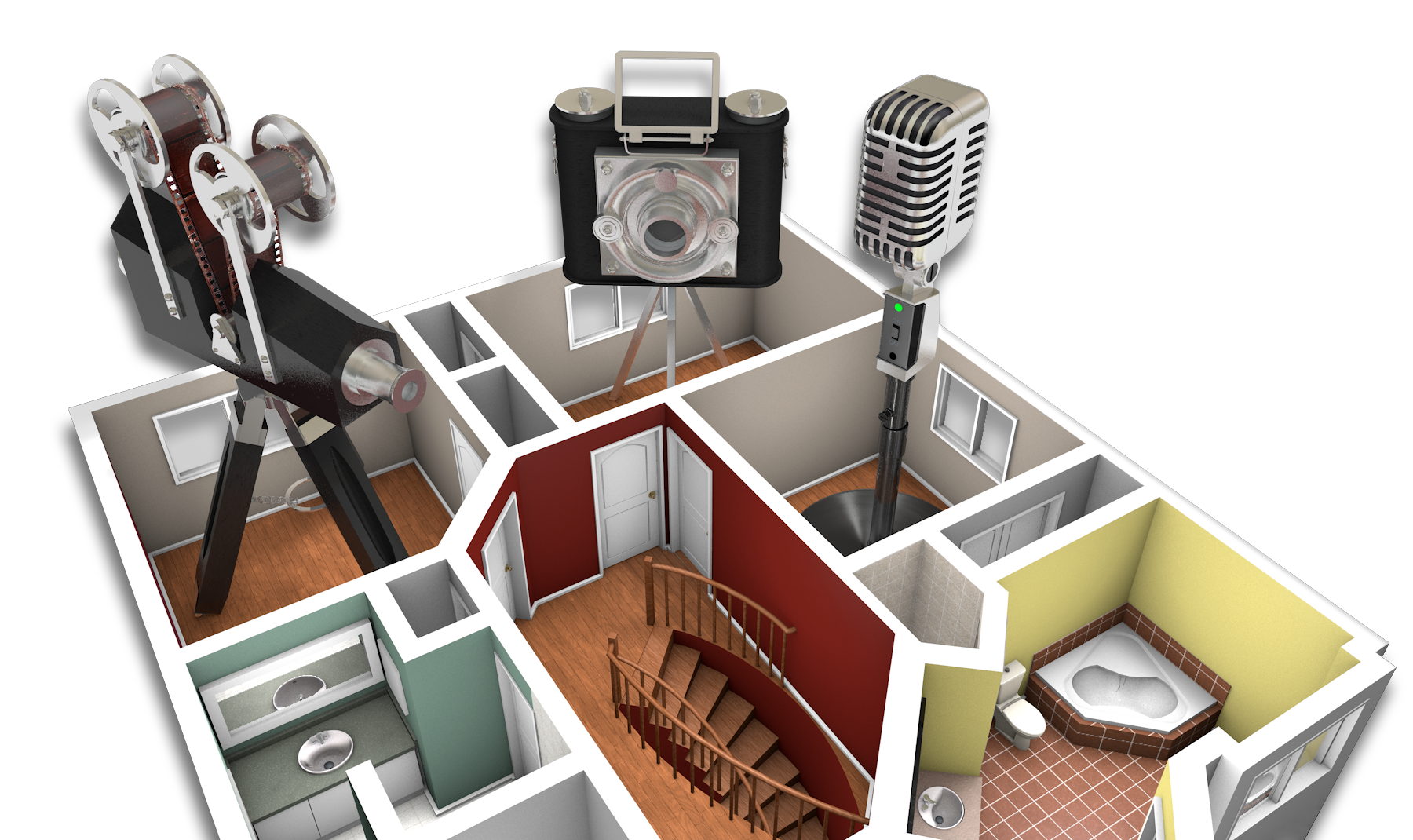
This technology builds an accurate VR-scaled model of your home and lets buyers fly through the layout online. The narration does the work a static photo cannot: it points out the original baseboards, the pocket doors, the restored staircase, and the cast-iron radiators, while explaining the modern upgrades that make the home livable today. By the time a buyer books a physical showing, they are serious, qualified, and already in love with your home's character. This same exposure is how we reach the niche buyer pool that century homes depend on, rather than hoping the right person happens to drive by.
The Flaherty Advantage for Heritage Homes
When you list your Mount Forest century home with the Flaherty Team, you get a proven system built to maximize the return on a property that does not fit a cookie-cutter mold:
- Sell for More: We sell homes for 99.2% of market value, putting an average of $13,358 more in our clients' pockets compared to average agents.
- Sell Faster: Our listings sell 52% faster than the average days on market, even when the buyer pool is niche.
- Deep Buyer Reach: We maintain a large database of buyers actively looking to purchase in the coming months and re-market your home to the ones most likely to want it.
- Unmatched Exposure: Your home's custom webpage is syndicated to over 57 locations online so the right character-home buyer finds it.
- Lived Experience: Kevin and Kim Flaherty own and renovated their own century home in Mount Forest, so the marketing is grounded in genuine understanding of these properties.
Essential Viewing for Century Home Sellers
10 Questions You Should Ask Before Hiring A REALTOR
Make sure you hire a professional who genuinely understands heritage and character homes.
Why Didn't My House Sell?
The common pitfalls that cause distinctive homes to expire on the market, and how to avoid them.
How to Avoid Legal Mistakes When Selling
Disclosure and contract pitfalls matter even more when selling an older home.
Passing the Building Inspection
What inspectors look for and how to prepare your century home for scrutiny.
What Our Clients Say
Read more success stories at flaherty.ca/reviews.
Frequently Asked Questions About Selling a Century Home in Mount Forest
Can you insure a house with knob-and-tube wiring in Ontario?
It is possible but difficult. Many insurers decline active knob-and-tube, while others require an Electrical Safety Authority inspection or replacement within a set window after closing. The real issue is usually amateur splices, brittle insulation, or wiring buried in attic insulation rather than the original system itself. Updating the panel and active circuits before listing keeps buyers and their lenders comfortable.
Do I need a pre-listing inspection for a century home?
Yes. Kevin strongly advises every century-home seller to invest in one. Older homes hide issues in plumbing, electrical, and foundations, and finding them before a buyer's inspector does lets you fix or disclose them on your terms instead of losing a deal during the conditional period.
Does a heritage designation make my home harder to sell?
No. A designation under the Ontario Heritage Act, whether an individual Part IV listing or a Part V conservation district, does not block a sale. It narrows the audience to buyers who value preservation, and research across Ontario communities shows designated homes often perform as well as or better than the surrounding market.
What do I have to disclose when selling an old house in Ontario?
Ontario follows "buyer beware," but you must disclose known latent defects that make the home dangerous or unfit to live in, such as a hidden foundation crack or chronic basement flooding. These obligations sit within the TRESA framework, and any Seller Property Information Statement you complete becomes part of the legal record.
What is a latent defect?
A latent defect is a hidden flaw that a buyer could not reasonably discover through a normal inspection, such as faulty wiring concealed in walls or water damage hidden behind fresh paint. Patent defects, by contrast, are visible and discoverable. Sellers must disclose known latent defects that affect safety or habitability.
Should I update the kitchen before selling my century home?
Usually not a full gut. Kevin cautions sellers against major last-minute renovations because you rarely recoup the cost, and many heritage buyers want to put their own stamp on the space. If the kitchen is functional and clean, it is often better to let the new owner design it to their taste.
Which renovations actually pay off on a century home?
The best return comes from work that removes buyer fear: electrical and panel upgrades, roof and foundation repairs, and improved insulation or windows. Fresh neutral paint and refinished original floors also deliver strong returns. Kevin advises avoiding over-personalized luxury finishes that the next owner may simply tear out.
How do you price a unique century home when there are no direct comparables?
We look beyond the house next door to heritage and older-home sales across Mount Forest, Arthur, and Wellington North, then adjust for architectural style, condition, lot size, and renovation quality. You can review recent sold data to see how distinctive homes have performed in practice.
Are buyers afraid of asbestos and lead paint in old homes?
They are aware of them, which is why transparency wins. Asbestos and lead paint are common in pre-1980 homes and can often be managed or encapsulated rather than fully removed. Disclosing what you know and providing any testing reports lets buyers plan with confidence instead of walking away.
How long does it take to sell a heritage home in Mount Forest?
Because the buyer pool is more specific, character homes can take a little longer than standard subdivisions. However, our targeted marketing and online showings are designed to reach the right buyers quickly. For a deeper look, see our guide on how long it takes to sell a house in Mount Forest.
What if my century home has a septic system and a well?
Many older properties around Mount Forest and the wider Township of Wellington North do. Provide recent well water test results plus a recent septic pump-out and inspection report to reassure buyers. Our guide to septic and well homes in Wellington North covers the details.
Should I stage my century home?
Yes, thoughtfully. Kevin recommends a blend of transitional furnishings that respect the home's era while showing how it accommodates modern living. The goal is to highlight the architecture without making the home feel like a museum that no one could comfortably live in.
Do buyers care about the history of the house?
Absolutely. For heritage buyers, the story of the home is part of the value: who built it, its place in Mount Forest's growth along the old Garafraxa Road, and the original features that survive. We make sure that story is woven through the marketing rather than buried in a footnote.
Is it better to sell my century home in spring or fall?
Spring traditionally shows character homes at their best, with gardens and mature trees in full leaf and curb appeal at its peak. That said, distinctive homes can sell year-round when marketed correctly. See our guide on the best time to sell a house in Mount Forest.
Can I sell my century home "as-is"?
Yes, but it affects who shows up and at what price. Kevin advises sellers that an "as-is" listing typically draws investors and flippers hunting for a steep discount rather than the family looking for a forever home. If the goal is top dollar, addressing or clearly disclosing key issues usually pays off.
How do online showings work for an older home?
Our Video Narrated VR Animated Online Showings map the entire home and walk buyers through the flow of the rooms. The narration deliberately points out original trim, fireplaces, restored hardwood, and the upgrades behind the walls, so online viewers appreciate details that static photos miss entirely.
Who is the right buyer for a century home?
There are generally three groups: heritage enthusiasts who cherish original character, families drawn to space and craftsmanship, and flippers seeking a discount. The marketing strategy is to attract the first two and the premium price they will pay, rather than positioning the home for bargain-hunters.
Do I need a special lawyer for a heritage property sale?
It is wise to use a real estate lawyer familiar with the Ontario Heritage Act and local Wellington North bylaws, so that disclosures, easements, and title transfers are handled correctly. The right lawyer also helps you navigate any conservation-district rules attached to the property.
What scares buyers away from century homes?
The biggest fears are unknown costs: foundation problems, an aging roof, asbestos, lead paint, and outdated wiring or plumbing. Kevin finds that a pre-listing inspection plus honest disclosure is the most effective antidote. Our guide on what scares buyers away in Mount Forest goes further.
How do I highlight the energy upgrades I've made?
Keep receipts and utility bills. If you have upgraded insulation, windows, or HVAC, we feature these prominently so buyers see that the home offers historic charm without historic heating bills, which matters a great deal in Mount Forest's cold, snowy winters.
Should I remove original radiators if they don't work?
Not necessarily. Many buyers love the look of ornate cast-iron radiators. If they are disconnected, they can stay as architectural features as long as the home has a functional modern heating system that you can demonstrate works well.
What if my century home sits on a large rural lot or acreage?
Rural heritage properties appeal to buyers craving space and privacy, so the marketing has to sell both the home's character and the land's potential. Our advice on selling rural property in Wellington North walks through positioning acreage and outbuildings.
Does the Flaherty Team really understand century homes?
Yes, and not just professionally. Kevin and Kim Flaherty own and renovated their own century home in Mount Forest, on top of more than three decades selling heritage and character properties across the region. That combination of personal and professional experience is rare, and it shapes how every historic listing is marketed.
How do we get started selling my Mount Forest century home?
The first step is a conversation. We will tour your home, review its history, upgrades, and any heritage status, and provide a tailored opinion of value and marketing plan. You can start your home evaluation online or book a call with Kevin directly to talk it through.
Resources for Mount Forest Sellers
Trusted local and provincial resources for owners of century and heritage homes in Mount Forest:
Mount Forest & Wellington North Real Estate Resources
Explore our core resource pages and seller guides for Mount Forest, Arthur, and Wellington North:

About Kevin Flaherty
Kevin Flaherty is a real estate broker with more than 30 years of experience and over 2,500 homes sold across south-central Ontario. Kevin and his wife Kim own and renovated their own century home in Mount Forest, giving him a personal, hands-on understanding of what it takes to sell a heritage property. With a dedicated marketing team, Kevin uses proprietary Video Narrated VR Animated Online Showings to give every listing maximum exposure. His proven system sells homes for 99.2% of market value and 52% faster than the industry average.
Call Kevin directly: 226-270-6433
Download the Century Home Selling Guide