Kevin Flaherty, real estate broker, smiling in a professional suit with a blue tie, representing the Flaherty Team.
Kevin Flaherty, top 1% Orangeville realtor for 10+ years, providing free no-obligation home value opinions — call 226-270-6433
Kevin Flaherty Home Selling System Team branding graphic featuring the text ‘Kevin@Flaherty.ca
’ and toll-free phone number 1-877-352-4378
Graphic with the text ‘Online Showings – Get Your Home Sold Faster & For More!’ promoting Video Narrated VR animated online showings for faster real estate sales
Real estate marketing graphic showing a house with a ‘SOLD!’ sign promoting access to sold listings and property information, with a yellow ‘Click Here’ button offering access similar to a REALTOR.
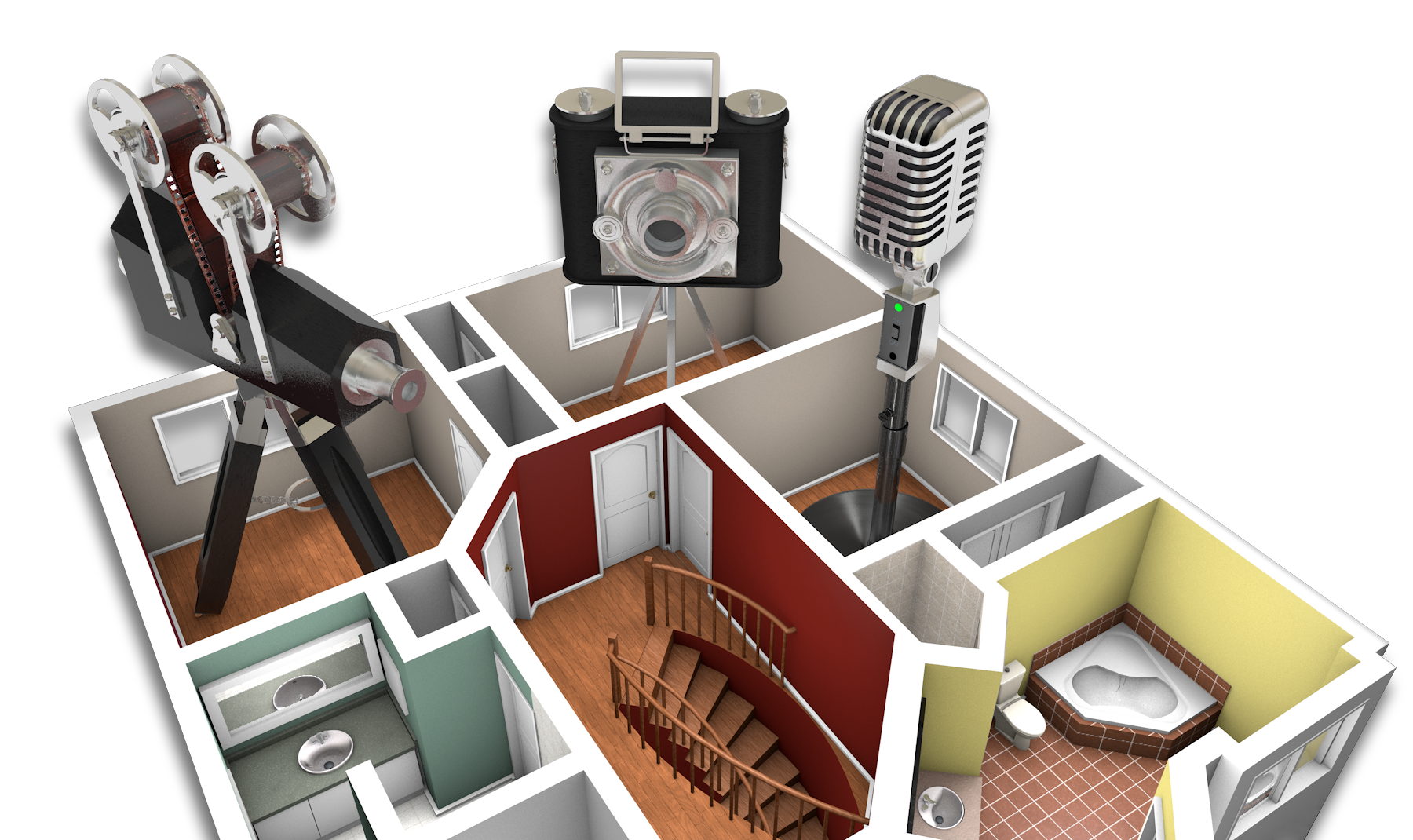
VR floor plan of a home with oversized camera, video camera, and microphone graphics representing high-quality real estate photography, and video narrated VR animated online showings for advanced property marketing.
Flaherty Team logo with Kevin@Flaherty.ca featuring "Flaherty" in bold text, "Home Selling System Team" below, emphasizing real estate services
Graphic with the text ‘Online Showings – Get Your Home Sold Faster & For More!’ promoting Video Narrated VR animated online showings for faster real estate sales
Kevin Flaherty in a house with moving boxes offering a free Declutter Before Selling Room-by-Room Guide at 43.923915, -80.082256

Ontario Room-by-Room Decluttering Guide

How to Declutter Before Selling Your Home

Start early, work one room at a time, and decide what will be kept, moved later, donated, sold, recycled, or discarded. The goal is a home whose space, storage, light, and condition are easy for buyers to understand.

Updated July 13, 2026·15-minute read·Ontario homeowner guide

People also ask

Quick answers before you start

When should I start decluttering?

Allow four to eight weeks before photography for an average home. Start earlier when the house contains decades of belongings, family decisions, or special disposal work.


How much should I remove?

Remove enough to clear walking paths, show most surfaces and floor area, and let buyers understand storage without moving belongings. An empty home is not the target.

What should I keep, donate, or discard?

Keep what fits the next home and your daily life. Donate useful items, sell only when the return justifies the work, and recycle or discard unusable items through approved streams.

Which room should I do first?

Start with a low-emotion area that can be completed quickly, then move to the kitchen, main living areas, primary bedroom, and bathroom that buyers will study closely.

Can packed boxes stay in the house?

A limited, labelled group can remain in a dry storage area if it does not block utilities, exits, inspection access, or the buyer's view of the room and its condition.

Use this guide

Jump to the room or decision you are working through

The direct answer

Declutter to make the home understandable, not to erase your life

The best way to declutter before selling is to give every item one next action, complete one room at a time, and remove finished donation, sale, recycling, and disposal loads promptly. Use five clear zones: keep and use, move later, donate or give, sell, and recycle or discard.

Buyers need to see room scale, walking paths, light, storage, condition, and the purpose of each space. Keep enough furniture and ordinary belongings to make the home feel functional, while removing the volume that hides those features or makes maintenance difficult to judge.

Experience before the listing goes live

Let the selling plan determine the preparation priorities

Kevin Flaherty is a Real Estate Broker with eXp Realty and the Flaherty Team. Licensed since 1988 with over $500M sold, Kevin helps Ontario homeowners decide which preparation will improve buyer understanding and which work is unlikely to support the sale.

The sequence is practical and low pressure: establish the likely timing and value, identify the rooms that matter most, coordinate decluttering with repairs and staging, then prepare the photography and Online Showing.

Since 1988Licensed real-estate experience
$500M+Career sales volume
One planPreparation, marketing and move coordinated

A decision for every item

Use five sorting zones and one removal schedule

Label physical zones or containers before opening the first cupboard. Avoid a general “maybe” pile. If an item needs more thought, place it in one small review box with a decision date.

Decision zoneUse it whenNext action
Keep and useUsed now, fits the next home, or would be difficult to replace.Assign a destination room and an available storage limit.
Move laterNeeded after the sale but distracting during marketing.Pack, label, inventory, and place in one tidy zone or secure storage.
Donate or giveUseful and in acceptable condition, but not part of the next home.Confirm acceptance or recipient, set a pickup deadline, and remove promptly.
SellLikely net value justifies the time and coordination.Set a minimum price and deadline, then donate if it does not sell.
Recycle or discardBroken, expired, unsafe, unusable, or not accepted for donation.Use current municipal or provincial rules, especially for hazardous products.

Do not leave completed bags and boxes in the room. Schedule the pickup, delivery, recycling, or disposal action that finishes the decision.

Rooms buyers see first

Entry, living, dining, and kitchen

Entry, hallways, living, and family rooms

  • Clear the main walking route and every exterior door.
  • Remove furniture that narrows a doorway or hides floor area.
  • Reduce collections and personal photographs without stripping the room bare.
  • Give each room one obvious purpose and create a natural conversation area.
  • Organize cords, remotes, pet supplies, toys, and daily-use items in contained storage.
  • Keep windows, vents, fireplaces, and important features visible.

Kitchen and dining areas

  • Keep counters mostly open while leaving a few useful, clean items.
  • Remove expired food, duplicate cookware, and rarely used small appliances.
  • Group pantry contents and leave cupboards easy to open.
  • Clear the refrigerator exterior and sort magnets, papers, and calendars.
  • Use a table size and chair count that show comfortable circulation.
  • Create a simple daily bin for mail and items that need to disappear before showings.

Private rooms and storage

Bedrooms, bathrooms, office, basement, garage, and attic

Bedrooms, closets, and bathrooms

  • Keep appropriately scaled furniture and remove pieces that restrict movement.
  • Sort clothing by current use, fit, and the storage available in the next home.
  • Group closet contents and leave some open visual space where practical.
  • Reduce toiletries, towels, cleaning supplies, and expired products.
  • Remove medication, cash, jewellery, keys, identity documents, and small valuables.
  • Use a bedside or bathroom caddy for items that must be cleared before showings.

Office, basement, garage, attic, and shed

  • Create a secure file for records that must be kept and shred confidential paper.
  • Group tools, sports equipment, and seasonal items by category.
  • Keep electrical panels, furnaces, water shutoffs, structure, and exits accessible.
  • Remove broken equipment, empty containers, and unidentified boxes.
  • Use current approved streams for paint, batteries, electronics, chemicals, and medication.
  • Do not stack belongings where they could hide moisture, damage, or a known defect.
For sentimental belongings: choose a defined container or display limit, photograph items whose story matters more than the object, and give family members a clear response and pickup deadline.

A six-week room-by-room plan

Finish decisions before the final photography reset

Adjust the pace to the home, but preserve the order: decide, remove, prepare, and only then maintain the showing routine.

1

Set the move brief and sorting rules

Confirm the likely listing date, next-home size, must-keep items, decision makers, and five sorting zones. Book any professional or municipal services that require lead time.

2

Clear storage and low-emotion areas

Work through utility shelves, linen closets, laundry storage, spare cupboards, and obvious duplicates. Remove completed donation, recycling, and disposal loads.

3

Edit the main living areas

Declutter the entry, hallways, living room, family room, dining area, and kitchen so their purpose, scale, light, and walking routes are clear.

4

Complete bedrooms, bathrooms, and paperwork

Reduce furniture and clothing, organize visible storage, secure valuables and medication, and separate records to keep from confidential paper to shred.

5

Finish the basement, garage, attic, and exterior storage

Group tools and seasonal items, use approved disposal streams, and keep utilities, exits, structure, and inspection areas safely accessible.

6

Do the photography and showing reset

Remove final boxes and donation bags, clear key surfaces, check each room from the doorway, and maintain one simple daily reset routine while the home is marketed.

Final doorway check

Make every room easy to photograph and inspect

Before photography

  • Stand in each doorway and confirm the room's purpose is immediate.
  • Open blinds or curtains as directed and replace failed bulbs.
  • Clear most counters, tabletops, floors, stairs, and landings.
  • Remove donation bags, recycling, moving supplies, and visible storage overflow.
  • Secure personal documents, medication, valuables, and family schedules.
  • Clean after the decluttering dust and movement are finished.

During the listing

  • Keep one labelled basket for daily items that leave before a showing.
  • Reset beds, towels, dishes, laundry, pet supplies, and waste each day.
  • Protect access to utilities, storage, and any area included in the sale.
  • Use the same return location for keys, remotes, and required documents.
  • Avoid bringing new donation or sorting projects into finished rooms.
  • Tell your Realtor promptly if a room or feature becomes inaccessible.
Kevin Flaherty in a house with moving boxes offering a free Declutter Before Selling Room-by-Room Guide at 43.923915, -80.082256

Take the room-by-room decluttering guide with you

Use the six-page guide for sorting rules, room checklists, a six-week schedule, safe removal reminders, and the final photography reset.

Download Declutter-Before-Selling-Room-By-Room-Guide.pdf

Selling the current home

Decluttering should support the selling strategy

A current evaluation helps establish the likely value range, preparation priorities, marketing approach, and timing. That context can prevent weeks of low-impact sorting while a room, repair, or access issue that matters more to buyers remains unfinished.

Video Narrated VR Animated Online Showings

Kevin's selling system presents both the property and surrounding area amenities so prospective buyers can understand the layout, features, upgrades, and location before booking an in-person visit. Sellers gain a stronger digital presentation and more qualified physical showings.

See how the Online Showing system works ›

Your next decision

Set the preparation order before the move becomes urgent

A low-pressure planning conversation can identify the work worth doing, the rooms to prioritize, the likely launch timing, and how the current-home sale connects with your next-home plan.

Seller education

Five videos to help you prepare and market the home

10 Questions to Ask Before You Hire a Realtor (Interview Guide)

A practical interview guide covering 10 questions homeowners can ask before choosing a Realtor to sell their property.

Pro Real Estate Tips - Why Didn't My House Sell?

Kevin reviews common reasons a listing may fail to sell and the questions homeowners should examine before trying again.

Pro Real Estate Tips - How to Avoid Legal Mistakes When Selling Your House

Kevin outlines legal mistakes homeowners should avoid when preparing to sell and complete a real-estate transaction.

Pro Real Estate Tips - Home Inspection

Kevin discusses how a home inspection can affect a real-estate transaction and the decisions buyers and sellers make.

Client experiences

What homeowners say about working with Kevin

★★★★★
Kevin and his team were absolutely amazing. From start to finish, they made selling our home seamless. The marketing was incredible, the communication was constant, and we got more than we expected. I would recommend Kevin to anyone looking to sell.
Peter Haddrell · Google Review
★★★★★
We were nervous about selling after 25 years in our home, but Kevin made it so easy. His online showing system brought buyers from across Ontario, and we sold in under a week. The whole process was stress-free.
Melissa R · Google Review
★★★★★
I couldn't believe how fast my home sold at a time when other homes were sitting on the market. Kevin got mine sold quickly and at a price that was top dollar and even more than I expected. His video narrated VR animated online showing gave my home amazing exposure and reduced unnecessary showings. Kevin was a pleasure to deal with. He was always patient and kept me informed every step of the way. I highly recommend his innovative approach.
Joanne Holding · Google Review

Read more Flaherty Team reviews and watch client testimonials ›

Frequently asked questions

Decluttering before selling your home

When should I start decluttering before selling my home?
Start four to eight weeks before you expect photography or showings if the home contains an ordinary amount of belongings. If you are sorting 30 years or more of possessions, begin earlier and work in short, scheduled sessions. Leave time for family decisions, donations, pickups, shredding, and disposal so the final week is not rushed.
Which room should I declutter first?
Begin with a low-emotion area that can produce a visible result, such as an entry, linen closet, laundry room, or utility shelf. The quick win builds momentum. Then move through the main rooms buyers notice most, including the kitchen, living room, primary bedroom, and main bathroom.
How do I decide what to keep when downsizing?
Keep an item when it will be used, has a clear place in the next home, would be costly or difficult to replace, or carries genuine personal meaning. Measure the next space and set category limits before making final decisions. A defined limit is more useful than asking whether every individual item might be useful someday.
What is the difference between decluttering and packing?
Decluttering removes items that will not move with you. Packing protects and labels the items you plan to keep. Mixing the two jobs creates extra boxes and decision fatigue, so decide first, then pack only the keep and move-later categories.
How much clutter should I remove before listing?
There is no reliable percentage that works for every home. Remove enough to create clear walking paths, mostly open counters and tabletops, visible floor area, and storage that can be understood without shifting belongings. The goal is not an empty house; it is a home whose space, condition, and function are easy to see.
Should every closet and cupboard be empty for showings?
No. Buyers expect normal belongings, but they also evaluate storage. Keep frequently used items neatly grouped and leave some open space where practical. Do not overfill cupboards, stack items against doors, or move unsorted clutter into a closet that a buyer is likely to open.
What should I do with furniture when downsizing?
Measure the next home before deciding. Keep pieces that fit the room dimensions, access route, and daily routine. Donate, gift, sell, or arrange removal for oversized duplicates and worn items. Kevin Flaherty can help identify which furniture supports the current home's presentation and which pieces make rooms feel smaller.
Where should I store packed boxes before showings?
Use a limited, tidy, labelled zone in a dry storage area, or arrange secure off-site storage when the volume would hide rooms or restrict access. Keep boxes away from electrical panels, furnaces, water shutoffs, attic access, and areas buyers need to inspect. Never use boxes to conceal a known defect.
How do I declutter 30 years of belongings without becoming overwhelmed?
Work by category and room, not by trying to finish the whole house at once. Schedule 30- to 90-minute sessions, make one decision per item, and remove completed donation or disposal loads promptly. Start with everyday items before photographs and keepsakes, and ask family members to collect claimed items by a firm date.
What is the best way to handle sentimental items?
Separate memory decisions from ordinary household sorting. Choose a defined container or display limit, photograph items whose story matters more than the object, and write down the history of meaningful pieces. Do not force final decisions during a tiring session; use a small review box with a scheduled decision date.
What if family members want items from the house?
Send clear photos or a short list, set a response deadline, and require claimed items to be picked up by an agreed date. Label each item with the recipient's name. Avoid indefinite holds because they transfer the space and scheduling problem back to the seller.
Should I sell belongings or donate them?
Sell items only when the likely net return justifies the time, listing work, buyer messages, pickup arrangements, and risk. Set a deadline and a minimum value. Donate useful items that do not sell by the deadline, and use reputable organizations whose current acceptance rules you have confirmed.
What should I do with important documents while decluttering?
Create a protected keep file for identification, property documents, wills, powers of attorney, tax records, insurance, financial information, warranties, and transaction papers. Ask the relevant professional how long a record must be retained. Shred sensitive documents that no longer need to be kept instead of placing them in ordinary recycling.
How should medications, valuables, and personal information be handled?
Remove prescription medication, jewellery, cash, spare keys, financial statements, identity documents, and small valuables before photography and showings. Use an approved medication return option rather than household disposal. Store necessary documents and valuables in a secure place that is not accessible to visitors.
How do I declutter a basement, garage, attic, or shed?
Sort these spaces early because they often contain hazardous products, tools, seasonal items, and long-forgotten boxes. Keep exits, utilities, structural areas, and inspection access clear. Follow current municipal or provincial rules for paint, batteries, electronics, propane cylinders, chemicals, and other special waste.
Should I declutter before requesting a home evaluation?
You do not need to finish first. An early evaluation can help prioritize the rooms and tasks most likely to affect buyer perception and marketing. Kevin Flaherty can view the home as it is, discuss the intended timing, and help separate useful preparation from work that may not improve the sale.
Can decluttering increase the sale price of a home?
Decluttering does not guarantee a particular price, but it can improve how buyers understand room size, storage, light, condition, and maintenance. It also supports clearer photography and fewer distractions. Kevin Flaherty uses it as one part of a broader preparation, pricing, presentation, and marketing plan.
Is decluttering the same as staging?
No. Decluttering removes excess belongings and clarifies the space. Staging arranges furniture, lighting, colour, and accessories to present the home's best use and proportions. Kevin Flaherty can help determine whether careful editing and rearrangement are enough or whether additional staging support would be worthwhile.
How does a Video Narrated VR Animated Online Showing affect preparation?
A detailed online showing lets buyers study layout, features, upgrades, and surrounding amenities before deciding whether to visit. That makes clear rooms, accessible features, and an honest presentation especially important. Kevin Flaherty coordinates preparation with the photography, video, narration, and online marketing plan.
What if I cannot finish decluttering before the listing date?
Prioritize safety, photography sightlines, main living areas, the primary bedroom, kitchen, bathrooms, and access to important systems. Consolidate remaining work into a neat, limited zone and make a removal schedule. Kevin Flaherty can help reset the task order or listing timeline when unfinished sorting would materially weaken the presentation.
Do I need a professional downsizing or organizing service?
Not everyone does. Professional help can be useful when time, mobility, distance, family availability, estate responsibilities, or the volume of belongings makes the project difficult. Kevin Flaherty can incorporate the service schedule into the selling plan, while you confirm each provider's scope, fees, insurance, and disposal practices directly.
How long does room-by-room decluttering usually take?
A lightly furnished home may take several focused weekends. A long-held family home can require two to three months or more, especially when family distribution, document review, repairs, donation pickups, and hazardous-waste appointments are involved. Estimate by room, add buffer time, and track completed removal rather than hours alone.
What is the best first step if I plan to sell and downsize?
Clarify the likely move date, next-home size, and items that must move, then obtain a current-home evaluation before committing to major work. Kevin Flaherty can help align the decluttering priorities with the sale strategy, estimated value, photography, launch timing, and next-home plan.
Where can I explore Ontario retirement, bungalow, and 55 plus communities?
AdultCommunities.ca provides Ontario-wide guides to bungalow retirement communities, retirement communities, and 55 plus communities. Use those resources to compare lifestyle and location options, then verify the ownership structure, costs, rules, services, and current listings for any community you are considering.

South-central Ontario

Areas Kevin serves

Kevin helps homeowners evaluate, prepare, market, and sell across Orangeville, Dufferin, Caledon, New Tecumseth, Wellington North, and surrounding communities.

Helpful public resources

Safe donation, medication, and special-waste decisions

Professional community presence

Our Local Business Community Connections

Kevin Flaherty, Real Estate Broker with eXp Realty and the Flaherty Team

About the author

Kevin Flaherty, Real Estate Broker

Kevin Flaherty is a Real Estate Broker with eXp Realty and the Flaherty Team, licensed since 1988 with over $500M sold. He works with homeowners across south-central Ontario who are selling, downsizing, relocating, or coordinating a long-held family-home sale with their next move.

Kevin's role is to bring the moving parts into one practical plan: home value, decluttering, preparation, marketing, net proceeds, next-home requirements, closing dates, and the move itself.

Direct: 226-270-6433

Free six-page room-by-room guide

Download the Declutter Before Selling Guide

Print the sorting rules, room checklists, six-week plan, and final photo-ready reset before you begin.

Download Declutter-Before-Selling-Room-By-Room-Guide.pdf

Contact form for home valuation inquiries, featuring a prominent "What's Your Home Worth?" heading and submit button, reflecting Flaherty Real Estate's services for homeowners.

170 Lakeview Crt #3a

Orangeville, ON

L9W 3R3

Logo of eXp Realty Brokerage a real estate agency.

Not Intended To Solicit Properties Already Listed For Sale.

A HoneyCombHub.ca Web Site Solution

Copyright 2026 . All rights reserved.

Terms of Service/Privacy Policy