





How to Prepare Your House for Sale in Mono
Start with safety, access and rural-property records, then clean, declutter and prepare each space for photography and showings. Review major spending against the home’s condition and your selling plan; preparation does not guarantee inspection, insurance, financing or a sale price.
Quick Answers for Mono Sellers
Quick answers for Mono sellers preparing rural estate homes, acreages, and lifestyle properties before listing.
What is the best way to prepare a house for sale in Mono?
The best way to prepare a Mono house for sale is to make the property easy to understand, inspect, insure, finance, and physically access before buyers arrive. That means gathering well, septic, WETT, propane, survey, permit, utility, and outbuilding records; correcting obvious safety and maintenance issues; presenting the driveway, gates, yard, and acreage clearly; then staging the living spaces for photography and showings. Kevin Flaherty recommends treating Mono preparation as a rural systems-readiness plan first and a decorating project second.
How early should Mono sellers start preparing before listing?
A 60–90-day preparation window is a planning example, not a required or promised schedule. Documents, contractor availability, testing, property condition and weather may call for more or less time. Begin with the work and advice your property actually needs.
Which documents should I gather before selling a Mono acreage or estate home?
Gather the survey if available, tax bill, utility costs, well record or water test history, septic permit or pump-out receipts, WETT documentation for wood-burning appliances, propane tank ownership or rental details, generator or HVAC service records, permits and warranties for improvements, outbuilding details, driveway maintenance information, and any conservation or easement documentation that affects use of the land.
Do Mono buyers care about well and septic records?
Yes. Many Mono buyers are comfortable with private services, but they want clarity. A clean file of well, water, septic, and service information can remove uncertainty before an offer is written. Kevin coaches sellers to organize these records early because buyer confidence often affects conditions, negotiation tone, and perceived risk.
Should I get a septic inspection before listing in Mono?
A pre-listing septic review can be useful when the system is older, documentation is incomplete, or there are signs of concern such as slow drains, odour, wet areas, or uncertainty about tank and bed location. It is not always mandatory, but it can prevent a buyer inspection from becoming the first time the issue is discussed.
Preparing a Mono home is not the same as preparing a subdivision house in a dense urban market. Mono is a rural Dufferin County township north and east of Orangeville, and buyers often evaluate land, access, privacy, mechanical systems, documentation, outbuildings, and lifestyle before they focus on decor. This guide is deliberately different from a generic decluttering checklist because Mono has no urban core and many properties are estate homes, acreages, hobby farms, and conservation-adjacent settings.
Start with the seller pages that matter most: Mono Realtors, Mono Home Evaluation, How to Price Your House in Mono, and Costs of Selling a Home in Mono. Then use this page to prepare the property before photography, VR media, showings, and offers.
Prepare the property buyers are actually evaluating
A Mono buyer may compare privacy, rolling land, estate-lot spacing, mature trees, outbuildings and proximity to Orangeville amenities. Clear well, septic, heating, access, survey and land-use records help buyers investigate the property. Missing information may lead to further questions or conditions; documentation does not determine the offer or remove due diligence.
That is why this Mono preparation plan begins with systems and documents before staging. A clean kitchen still matters, but a buyer comparing a rural estate home in Purple Hill, Cardinal Woods, Fieldstone, Starrview Acres, Hockley Valley, Hockley Village, Mono Centre, Camilla, Island Lake Estates, or Watermark will also be asking practical questions about maintenance, access, insurance, and future use.
September 2026 Mono market context for preparation
TRREB’s September 2026 Dufferin report records 5 Mono sales and 71 active listings at month end. All five reported sales were detached; that does not describe the township’s entire housing stock. Use the small sample as context when reviewing competing properties, not as evidence that particular preparation work earns a return.
| Metric | Mono figure | Preparation meaning |
|---|---|---|
| Sales | 5 | A small monthly sample; individual properties can differ substantially. |
| Average sale price | $1,064,000 | An aggregate transaction average, not your home’s value or a renovation return. |
| Median sale price | $950,000 | The middle of the reported sales; property mix limits generalization. |
| New listings | 26 | New listings entered during September; compare actual competing properties. |
| Active listings | 71 | Month-end inventory, not year-to-date listings or a forecast. |
| Average listing days on market (LDOM) | 77 | Recorded listing time, not a promised selling or closing schedule. |
| Average sale-to-list-price ratio | 94% | A reported aggregate ratio; it does not guarantee negotiation results. |
| Dollar volume | $5,320,000 | Total recorded dollar volume across the five reported sales. |
Source: Toronto Regional Real Estate Board, Dufferin report — September 2026 (PDF), September 2026, physical PDF page 7 (Mono municipality). Average and median are transaction prices, not HPI benchmarks. For broader regional context, read TRREB Market Watch — September 2026 (PDF); it is a different report and is not the source of the Mono figures above.
Build buyer confidence before the inspection
Useful preparation can be invisible in photographs: organized records, labelled systems, accessible utility areas and factual property notes help buyers investigate the home. They support due diligence rather than replace professional inspections or guarantee an outcome.
| Rural feature | Prepare or collect | Why it matters |
|---|---|---|
| Well and water | Water test history, well record, treatment equipment, pressure system, pump details | Buyers want clarity on quality, quantity, service history, and maintenance. |
| Septic system | Permit, pump-out receipts, tank and bed location, age, service notes | Unknown septic details often become inspection and negotiation issues. |
| WETT and wood heat | Fireplace, wood stove, chimney, written WETT inspection report, cleaning record | Insurability and installation confidence matter to rural buyers. |
| Propane and generators | Tank ownership or rental, supplier, service records, transfer process | Fuel and backup power questions arise quickly on acreage homes. |
| Outbuildings | Permits if available, hydro, heat, water, use, condition, clean access | Document condition, services, permitted uses and included items; value depends on the property and buyer. |
| Driveway and gates | Maintenance, grading, snow removal, keypad, sightlines, address visibility | The showing starts at the road, not at the front door. |
| Conservation and land | Known easements, setbacks, permits, trails, wetlands, slopes, woodlots | Clear facts prevent unsupported assumptions about future use. |
Confirm the records, scope and permissions
Public Health Ontario’s well-water guidance covers E. coli and total coliform bacteria. Bacterial results do not establish chemical safety or water quantity; ask your public health unit about chemical testing and interpretation. For wood-burning appliances, obtain a written inspection report from a WETT-certified professional and confirm the insurer’s required scope and timing. Septic inspection or pumping should reflect condition, maintenance history, professional advice and agreed terms.
Maps, aerial images, fences and visible markers do not establish legal boundaries. Seek appropriate survey and title advice. Before grading, clearing, drainage changes or removing structures, confirm applicable permissions with the Town of Mono and relevant authorities. Proximity to parks, trails or private recreation facilities does not automatically grant access or membership.
Address fixtures, chattels, appliances, equipment, rentals and exclusions clearly in the purchase agreement. RECO’s buyer checklist explains why inclusions matter. If the home will be vacant, tell your insurer and confirm vacancy, heating, inspection and security requirements before changing routines.

Download the Mono Home Prep Checklist and use it to organize records, access, rooms, outbuildings and media-day preparation.
The 90-day sequence below is an illustrative preparation plan. Your condition, contractor schedule, documentation and weather may require a different timeline; it is not a promised listing, selling or closing schedule.
A practical 90-day Mono preparation sequence
The sequence matters. Sellers sometimes repaint the wrong rooms, install upgrades buyers will not value, or spend too late on issues that should have been handled before photography. In Mono, the best sequence is to identify property-specific uncertainty first, then prepare the presentation.
| Timing | Mono seller action | Reason |
|---|---|---|
| 90 days before listing | Choose a listing target, walk the property, identify risks, plan documents. | Prevents cosmetic spending before the property’s real objections are known. |
| 60 days before listing | Collect well, septic, WETT, propane, survey, permit, and service records. | Rural document gaps take time to solve and can delay confident offers. |
| 45 days before listing | Book contractors for driveway, exterior, drainage, safety, and cleaning items. | Weather and rural access can affect timing. |
| 30 days before listing | Declutter interiors, outbuildings, garages, utility areas, and visible storage. | Buyers compare function and maintenance as much as decor. |
| 14 days before listing | Stage, deep clean, trim, mow, grade, label systems, and prepare feature notes. | The media package depends on every major feature being ready. |
| Launch week | Keep access clear, secure pets/equipment, review documents, and respond to feedback. | Momentum is strongest when the listing launches without obvious objections. |
The six-phase Mono seller preparation plan
Use these six phases and 36 checks to organize preparation for estate homes, acreages, hobby-farm features and rural properties. Adapt the sequence to your home, professional advice and available time.
Phase 1: Strategy, value, and rural documentation
- Choose a target listing window and work backwards 60 to 90 days.
- Order or collect the survey, tax bill, utility records, warranties, and permits.
- Gather well records, water-test history, septic documentation, pump-out receipts, and tank location information.
- Collect WETT, fireplace, wood stove, propane, generator, and HVAC service information.
- Identify any conservation, easement, zoning, driveway, gate, shared-lane, or access considerations.
- Schedule a pricing and preparation walkthrough before spending money on cosmetic improvements.
Phase 2: Access, exterior, and acreage first impressions
- Grade potholes, refresh gravel where needed, and trim driveway edges.
- Make gates, keypads, signs, address markers, and exterior lighting easy to use.
- Clear snow, mud, branches, debris, trailers, scrap, and visual clutter from the approach.
- Clean gutters, downspouts, patios, decks, porches, walkways, and exterior glass.
- Prepare lawns, gardens, fencing, paddocks, trails, woodlot entries, and outdoor living areas for photography.
- Create safe, obvious access to barns, garages, workshops, sheds, mechanical rooms, and utility areas.
Phase 3: Water, septic, heating, and inspection confidence
- Test water or prepare recent water-test records where appropriate.
- Review septic age, capacity, service history, visible concerns, and documentation gaps.
- Service or document furnace, boiler, heat pump, generator, propane, and filtration systems.
- Address leaks, moisture staining, odours, pest evidence, unsafe wiring, loose railings, and obvious safety concerns.
- Label shutoffs, panels, filters, tanks, pumps, pressure systems, and utility equipment clearly.
- Prepare plain-language notes for buyers explaining private services without making unsupported guarantees.
Phase 4: Interior readiness, staging, and daily-living spaces
- Declutter rooms to make scale, storage, and circulation obvious.
- Deep clean kitchens, baths, mudrooms, basements, utility rooms, garages, and closets.
- Assess selective touch-up painting, lighting, hardware and minor repairs against condition, quoted cost and presentation needs; cost recovery is not guaranteed.
- Stage mudrooms, laundry rooms, home offices, family spaces, decks, and views for rural lifestyle buyers.
- Remove pet odours, excess personal items, seasonal gear, and visible maintenance distractions.
- Keep storage areas below capacity so buyers see function rather than overflow.
Phase 5: Media-day preparation and buyer education
- Prepare a feature list that explains land, upgrades, views, outbuildings, services, and nearby amenities.
- Open and clean spaces that should appear in photography, floor plans, video, and VR online showing material.
- Move vehicles, bins, equipment, and personal property out of important camera angles.
- Confirm access to all buildings, gates, basements, utility spaces, decks, and yard features.
- Prepare captions and explanations for unique features rather than assuming buyers will understand them.
- Use the video-narrated VR animated online showing to help buyers assess the property’s features before visiting; it does not establish financing or buyer qualification.
Phase 6: Launch week, showings, and offer readiness
- Keep the driveway accessible and the property easy to show in changing weather.
- Secure pets, livestock, valuables, equipment, medication, and personal documents before showings.
- Keep a digital document folder ready for serious buyer questions.
- Review offer-condition strategy for inspection, water, septic, insurance, financing, and rural-property due diligence.
- Prepare honest answers to common buyer questions about maintenance, costs, services, and land use.
- Use showing feedback to correct repeated objections quickly before they become negotiation leverage.
Turn preparation into a better online showing
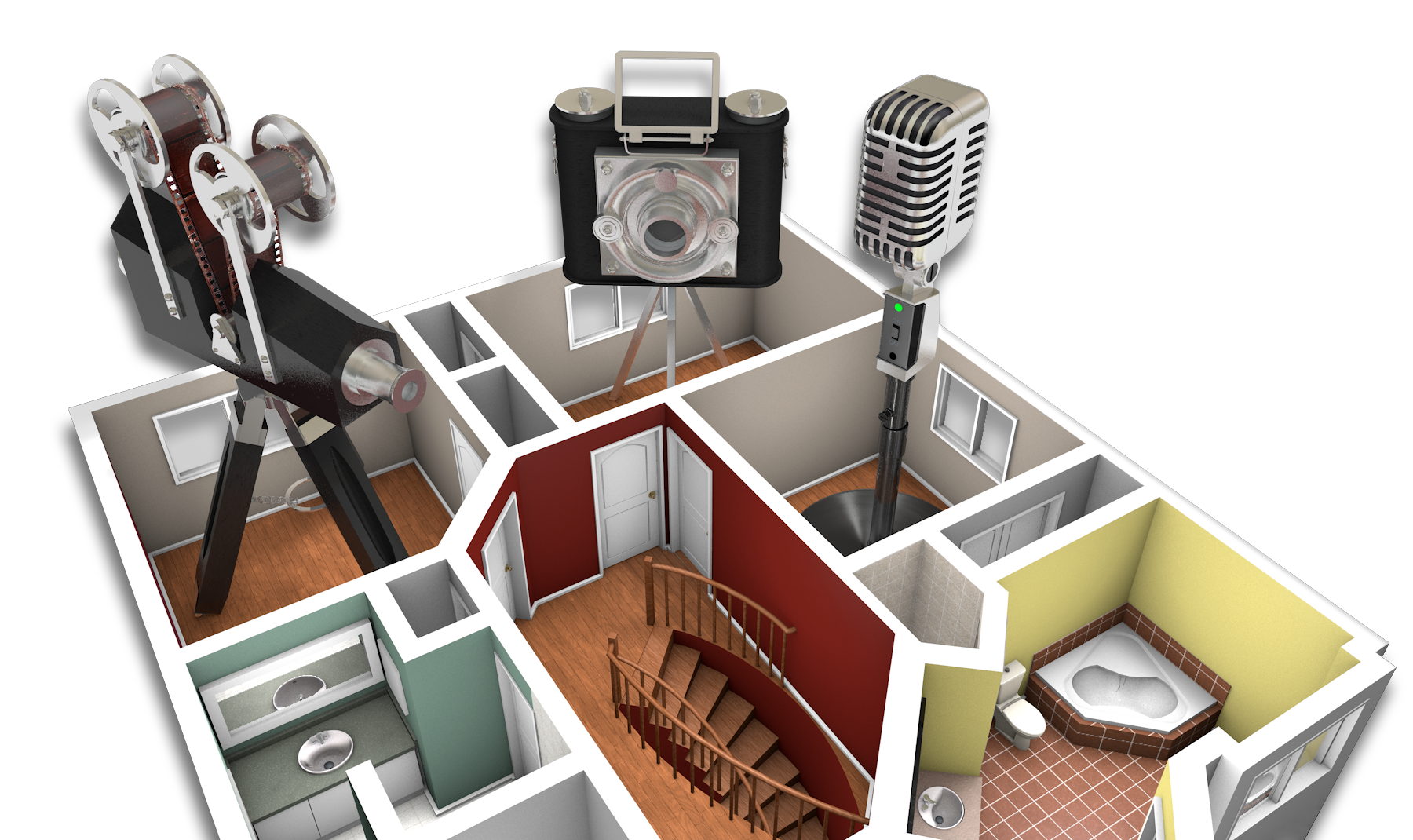
Kevin’s proprietary online showing process helps buyers understand the home before they visit. The Flaherty system includes video-narrated VR animated online showings, accurate scaled models, floor plans with measurements, professional feature narration, and broad listing syndication. This is particularly useful in Mono because a serious buyer may be comparing homes by acreage, layout, outbuildings, proximity to trails, driveway access, and the lived experience of the property.
Preparation gives the marketing team clearer spaces and information to explain. Online presentation can help buyers assess fit before visiting, but it does not verify their finances or guarantee fewer showings. For timing and strategy, review the related Mono guides below.
Flaherty Home Selling System
Kevin Flaherty explains the Flaherty Home Selling System and how online presentation helps buyers understand a property before visiting.
VR sample tour
A sample video-narrated VR animated online showing that demonstrates how buyers can understand a home before visiting in person.
Pro Real Estate Tips — How to Avoid Legal Mistakes When Selling Your House
Kevin Flaherty discusses legal mistakes sellers should avoid when preparing and disclosing a property for sale.
How Do I Know If My House Will Pass the Building Inspection?
A seller-focused explanation of inspection readiness and buyer confidence before a listing goes live.
When is the Best Time to Sell My House?
Kevin Flaherty explains timing considerations sellers should weigh before listing a property.
Spend where buyers see risk, not where you see personal taste
Not every improvement is worth doing before listing. In Mono, the strongest pre-sale spending often goes toward access, safety, documentation, odour removal, moisture concerns, exterior presentation, selective paint, lighting, and system clarity. Expensive taste-based renovations can miss the mark if buyers would choose different finishes or if the land and systems are the real decision points.
Before approving major work, compare the likely return with the guidance in Should You Renovate Before Selling in Mono and What Not to Fix When Selling in Mono. The preparation goal is not perfection. It is to remove enough objections that buyers can confidently focus on the value of the home, land, privacy, and location.
Preparation varies by Mono pocket
Use the Mono real estate hub to understand the broader municipality, then review the individual community pages below. Each pocket has a different buyer lens, from polished estate subdivisions to recreation-oriented rural settings and conservation-adjacent land.
| Community | Preparation focus | Seller note |
|---|---|---|
| Purple Hill | Established estate community and Kevin Flaherty’s home base since 1998. | Show the actual lot, landscaping, access and system history. Kevin has lived in Purple Hill since 1998. |
| Cardinal Woods | Estate subdivision where landscaping, driveway approach, and system records influence first impressions. | Photograph the approach and tree canopy, and document maintenance and privacy features; they do not guarantee a premium. |
| Fieldstone | Estate-home pocket where buyers compare presentation, finishes, and outdoor usability. | Present the actual interior condition and usable outdoor spaces clearly; compare optional work with cost and property needs. |
| Starrview Acres | Large-lot subdivision where privacy, maintenance, and accessory structures matter. | Gather available survey/title material and septic/building records. Maps and visible markers do not establish boundaries. |
| Hockley Valley | Rolling rural area with recreation, hills, woodlots, and lifestyle buyers. | Explain terrain, maintenance and actual recreation features; verify trail rights and any access conditions. |
| Hockley Village | Eastern Mono village pocket where rural charm and property access shape showings. | Confirm actual road access, winter maintenance and well/septic records for the property. |
| Mono Centre | Central Mono area near Mono cliffs and acreage properties. | Gather applicable conservation, zoning and permit information rather than implying future uses. |
| Camilla | South-central Mono community with fast access to Orangeville and rural lots. | Check actual routes and travel needs; commute suitability depends on the buyer, location and conditions. |
| Island Lake Estates | Southern Mono estate area near Island Lake conservation area. | Describe proximity accurately and verify easements, trail access, fees or other conditions. |
| Watermark | Estate subdivision where polished exterior presentation and buyer confidence are important. | Show the actual upkeep, rooms, lot and community responsibilities; buyer priorities vary. |
Nearby Flaherty Service Areas
Also considering a nearby area? Explore these existing Flaherty resources.
Mono home preparation FAQ
What is the best way to prepare a house for sale in Mono?
The best way to prepare a Mono house for sale is to make the property easy to understand, inspect, insure, finance, and physically access before buyers arrive. That means gathering well, septic, WETT, propane, survey, permit, utility, and outbuilding records; correcting obvious safety and maintenance issues; presenting the driveway, gates, yard, and acreage clearly; then staging the living spaces for photography and showings. Kevin Flaherty recommends treating Mono preparation as a rural systems-readiness plan first and a decorating project second.
How early should Mono sellers start preparing before listing?
A 60–90-day preparation window is a planning example, not a required or promised schedule. Documents, contractor availability, testing, property condition and weather may call for more or less time. Begin with the work and advice your property actually needs.
Which documents should I gather before selling a Mono acreage or estate home?
Gather the survey if available, tax bill, utility costs, well record or water test history, septic permit or pump-out receipts, WETT documentation for wood-burning appliances, propane tank ownership or rental details, generator or HVAC service records, permits and warranties for improvements, outbuilding details, driveway maintenance information, and any conservation or easement documentation that affects use of the land.
Do Mono buyers care about well and septic records?
Yes. Many Mono buyers are comfortable with private services, but they want clarity. A clean file of well, water, septic, and service information can remove uncertainty before an offer is written. Kevin coaches sellers to organize these records early because buyer confidence often affects conditions, negotiation tone, and perceived risk.
Should I get a septic inspection before listing in Mono?
A pre-listing septic review can be useful when the system is older, documentation is incomplete, or there are signs of concern such as slow drains, odour, wet areas, or uncertainty about tank and bed location. It is not always mandatory, but it can prevent a buyer inspection from becoming the first time the issue is discussed.
What is WETT documentation and why does it matter?
WETT certifies people, not appliances. For a wood-burning appliance, ask a WETT-certified professional for a written inspection report and confirm your insurer’s required inspection level and timing. A report does not itself guarantee insurance or financing.
How should I prepare propane systems before selling?
Confirm whether the propane tank is owned or rented, gather supply agreements, note the provider, check visible lines and tank access, and keep recent service information available. Rural buyers often ask practical questions about fuel costs, tank location, winter access, and transfer of account responsibilities.
How important are outbuildings when selling in Mono?
Outbuildings can be useful features, but condition, services, permitted uses and buyer needs affect their value. Clear safe access, organize equipment, gather available permits and service records, and describe limitations accurately.
Should I repair a long gravel driveway before listing?
Review actual potholes, washouts, gate function, sightlines and address visibility. Appropriate maintenance can improve access; check permissions before grading, drainage changes or clearing, and obtain advice for significant work.
Do conservation lands or protected areas change how I prepare?
They can. Properties near Island Lake, woodlots, wetlands, slopes, or conservation-sensitive areas may require careful wording and documentation. Sellers should avoid making unsupported claims about future uses and should gather any known conservation, easement, zoning, or permit information before listing.
Should I stage a rural Mono home differently than a subdivision home?
Yes. Staging still matters, but rural staging should help buyers understand lifestyle, function, and scale. That means making mudrooms, storage rooms, workshops, garages, decks, trails, and outdoor living areas easy to interpret instead of focusing only on furniture placement in the main rooms.
How clean does a Mono home need to be before photos?
It should be clean enough that the buyer focuses on the property, not the owner’s maintenance habits. Rural properties need standard interior deep cleaning plus attention to mudrooms, utility rooms, basements, garages, mechanical areas, barns, sheds, patios, porches, and exterior approaches. Kevin’s media process works best when every space that explains the property is camera-ready.
What should I do with hobby-farm features before listing?
Clean and organize stalls, paddocks, fencing and access routes safely. Record equipment, fixtures, rentals, inclusions and exclusions clearly in the purchase agreement. Confirm permissions and permitted uses before clearing or changing features.
Should I renovate before selling in Mono?
Renovation decisions in Mono should be made against market value, buyer profile, and risk. Cosmetic improvements can help, but large renovations immediately before listing may not return dollar-for-dollar. Kevin Flaherty often advises sellers to fix safety, moisture, smell, access, and obvious maintenance issues first, then evaluate selective painting, lighting, hardware, flooring, or staging.
What should I not fix before selling a Mono property?
Do not spend heavily on personal taste upgrades that a buyer may change, do not start major additions without a clear return, and do not hide or cosmetically cover defects. Focus on items that improve confidence: documentation, safety, access, cleanliness, drainage, service records, and presentation. For more detail, see the Mono guide on what not to fix before selling.
How does Kevin’s VR animated online showing help a Mono seller?
Kevin Flaherty’s video-narrated VR animated online showing is especially useful for Mono properties because buyers need to understand layout, land, outbuildings, approaches, and lifestyle context before driving to a rural showing. The system helps serious buyers arrive better informed and can reduce unnecessary traffic from buyers who were never the right fit.
How should I prepare for photography and media day?
Prepare the house, outbuildings, driveway, gates, exterior features, views, and utility areas before the media appointment. Open blinds, turn on lights, remove vehicles from key sightlines, clear counters, secure pets, unlock areas that should be photographed, and make sure the property’s most important features are accessible and safe.
Does preparation affect the selling price in Mono?
Preparation can improve presentation and make information easier to assess, but it does not guarantee a higher price, recovered costs, favourable conditions or negotiation protection. Review actual condition, comparable properties, buyer feedback and the selling plan before spending.
Is preparing a Purple Hill home different from preparing a Hockley Valley acreage?
Preparation should follow the actual property rather than a universal neighbourhood buyer profile. An estate-lot home may need attention to rooms, landscaping and records; an acreage may also need terrain, access, private services, outbuildings and verified land-use or trail information.
How do I prepare a vacant rural home?
Tell your insurer the home will be vacant and confirm policy requirements for heat, visits, security and water systems. Maintain safe access and appropriate lawn or snow care, and arrange property-specific monitoring rather than assuming ordinary coverage remains unchanged.
Should I disclose defects before a buyer finds them?
Known material defects should be handled honestly and strategically. Disclosure rules are not a substitute for legal advice, but surprise issues often damage trust after an offer. Kevin Flaherty encourages sellers to organize known facts, service records, invoices, and professional advice so concerns can be addressed with clarity instead of panic.
What are Mono buyers most likely to notice first?
Buyers may assess the approach, privacy, maintenance, neighbouring uses, layout, land, outbuildings and rural systems. Priorities vary by buyer and property; present the actual features and limitations clearly.
How does Mono’s market data affect preparation?
TRREB’s September 2026 Dufferin report records 5 Mono sales, a $1,064,000 average price, a $950,000 median, 26 new listings, 71 active listings, 77 average listing days on market (LDOM) and a 94% average sale-to-list-price ratio. The small sample is context for comparing your property, not proof of preparation returns or a promised sale price or schedule.
Who should I call for a Mono pre-sale preparation plan?
For a Mono-specific pre-sale plan, call Kevin Flaherty at 226-270-6433 or request a Mono home evaluation. Kevin has sold in south-central Ontario since 1988, has lived in Purple Hill since 1998, and understands the rural preparation issues that can make or break buyer confidence before a property reaches the market.
What Sellers Say About Working with Kevin
★★★★★
Kevin's experience and marketing team sold my home over asking price in one day. The house was sold before it even went on MLS. We did not have to go through open houses or multiple viewings. The professional videos his team produces are amazing.
— Brian Masulka · Google review · Dufferin County · Read client reviews
★★★★★
The property was listed and sold with second viewing within two days at more than the asking price. The closing dates of this place and the new purchase matched perfectly. Kevin and his team were the epitome of skill and efficiency.
— Norma Soul · Google review · Dufferin County · Read client reviews
These are individual Dufferin County seller experiences, not forecasts of your preparation return or selling outcome.
Flaherty Team on Google: 5.0/5 from 61 reviews — Google Business Profile.
Kevin Flaherty on RankMyAgent: 4.96/5 from 52 verified reviews — RankMyAgent profile.
Review profile figures last checked October 9, 2026. The team and individual profiles are shown separately.

About Kevin Flaherty
Kevin Flaherty is a Realtor with eXp Realty serving Mono, Dufferin County, Caledon, Orangeville, and surrounding communities. He has been helping sellers since 1988 and has lived in Purple Hill since 1998. His team uses professional photography, video-narrated VR animated online showings, detailed floor plans, online syndication, and a structured preparation process to help sellers present their homes with confidence.
Phone: 226-270-6433
Website: flaherty.ca
Research, Resources and Important Information
- Town of Mono — municipal services, permits and local rules.
- Dufferin County — county services and regional information.
- Dufferin Board of Trade — local business and community resources.
- Public Health Ontario: private well-water testing — bacterial testing, sampling and interpretation.
- TRREB Market Watch — September 2026 (PDF) — broader regional context; Mono values are cited separately above.