Direct answer
The best as-is sale in Mono reduces uncertainty before it reduces price
Selling a house as-is in Mono is not the same as selling an older in-town subdivision house as-is, and it is not the same as selling a generic rural property with unknown systems. Mono has a higher-value rural estate profile. TRREB reported 8 sales, a $1,380,000 average price, a $1,477,500 median price, 25 new listings, 51 active listings, 41 average days on market, a 96% sale-to-list ratio, and $11,040,000 in dollar volume for Mono in April 2026. Those numbers show a market where buyers are active, but they are also careful because the purchase decision is large.
At that price tier, the phrase “as-is” can create two very different reactions. If buyers hear “as-is” and see missing septic records, no well information, no WETT documentation, unclear propane tank ownership, no survey, unknown outbuilding permits, and vague statements about access or conservation, they will often protect themselves with a heavy discount. If buyers hear “as-is” and receive a clear file of documents, accurate media, honest comments about known issues, and a strong explanation of the property’s setting and value, the discount may be much smaller.
This is why I call many Mono as-is discounts documentation discounts. The buyer may not be afraid of a dated kitchen, an older ensuite, a tired deck, a shop that needs cleanup, or a property that has been lived in hard. The buyer may be afraid of not knowing what they are buying. In Mono, clarity can be worth real money.
Kevin’s Mono rule: if the buyer can understand the risk, the setting, the systems, the boundaries, and the lifestyle, the property has a better chance of being valued as a high-value rural opportunity instead of a problem file.
Mono differentiation
Why this is different from Shelburne and Caledon as-is strategy
A Shelburne as-is sale is often about in-town subdivision-era homes, original windows, builder-vinyl seal failure, end-of-life shingles, investor math, affordability migrants, and active builder inventory that can reset buyer expectations weekly. A Caledon as-is sale often focuses on rural service unknowns, conservation authority questions, well and septic confidence, hobby farms, and broad exurban move-up demand. Mono overlaps with some rural issues, but it is not the same page.
The Mono angle is high-value rural estate homes, luxury acreage, prestige pockets, and lifestyle buyers. A buyer looking at Cardinal Woods, Fieldstone, Watermark, Starrview Acres, Island Lake Estates, Hockley Valley, Hockley Village, Mono Centre, Purple Hill, or Camilla is often buying a setting first. They may want privacy, land, trails, views, outbuildings, a detached estate feel, a recreational base near Hockley Valley Resort, or proximity to Mono Cliffs Provincial Park and Island Lake Conservation Area. They are not necessarily trying to buy the cheapest possible house.
That makes the seller’s job more nuanced. The goal is not to hide the as-is condition and hope the buyer falls in love. The goal is to make the property understandable enough that the buyer can separate real repair cost from fear. If the property is priced as though every unknown is a disaster, the seller gives away value. If it is priced as though no unknowns exist, the buyer will likely push back through inspections, financing, insurance, septic conditions, water testing, lawyer review, or renegotiation.
Documentation gap
The real as-is risk in Mono is often the missing file
Mono properties can be simple in appearance and complex in due diligence. A beautiful rural estate may have a private septic system sized for a particular bedroom count, a drilled well with treatment equipment, one or more wood-burning appliances, a rented or owned propane tank, a generator, outbuildings, accessory structures, long driveways, trails, old fences, drainage patterns, tree cover, and possibly conservation-adjacent questions. The buyer may love the house, but their lawyer, insurer, lender, inspector, or family adviser may still ask for proof.
The seller cannot manufacture records that do not exist, and the seller should not make promises that professionals have not verified. However, gathering available records before launch changes the tone of the sale. A septic pump invoice, a water test, a propane agreement, a WETT document, a survey, a permit record, or a utility history can make a buyer feel that the property is manageable. Without those records, the buyer may assume the worst.
| Documentation item | Why it matters in Mono | Likely buyer concern if missing |
| Septic records | Bedroom count, tank location, capacity, servicing, and inspection expectations affect financing and comfort. | Unknown replacement risk or capacity mismatch. |
| Well and water records | Water quality, treatment, pump history, and yield questions matter on private systems. | Unknown water safety or reliability. |
| WETT information | Wood stoves, fireplaces, inserts, and boilers can affect insurance and buyer confidence. | Insurance difficulty or unexpected remediation. |
| Propane ownership | Owned versus rented tanks, supplier agreements, and service history affect closing assumptions. | Unexpected contracts, costs, or exclusions. |
| Survey and easements | Acreage, trails, driveways, fences, outbuildings, and access assumptions can shape value. | Boundary conflict or unclear use rights. |
| Outbuilding permits | Workshops, barns, sheds, decks, additions, and accessory structures may be central to the buyer’s decision. | Unverified construction or future-use limitations. |
Presentation system
Kevin’s VR system solves the Mono as-is presentation problem
Traditional photos can make an as-is property look worse than it is because the viewer sees isolated defects without understanding the setting. They may notice the worn flooring, dated cabinets, unfinished trim, cluttered shop, old deck, or mechanical room before they understand the privacy, views, acreage, outbuildings, floor plan, driveway, or neighbourhood. That sequence is dangerous in Mono because the value may be in the whole property.
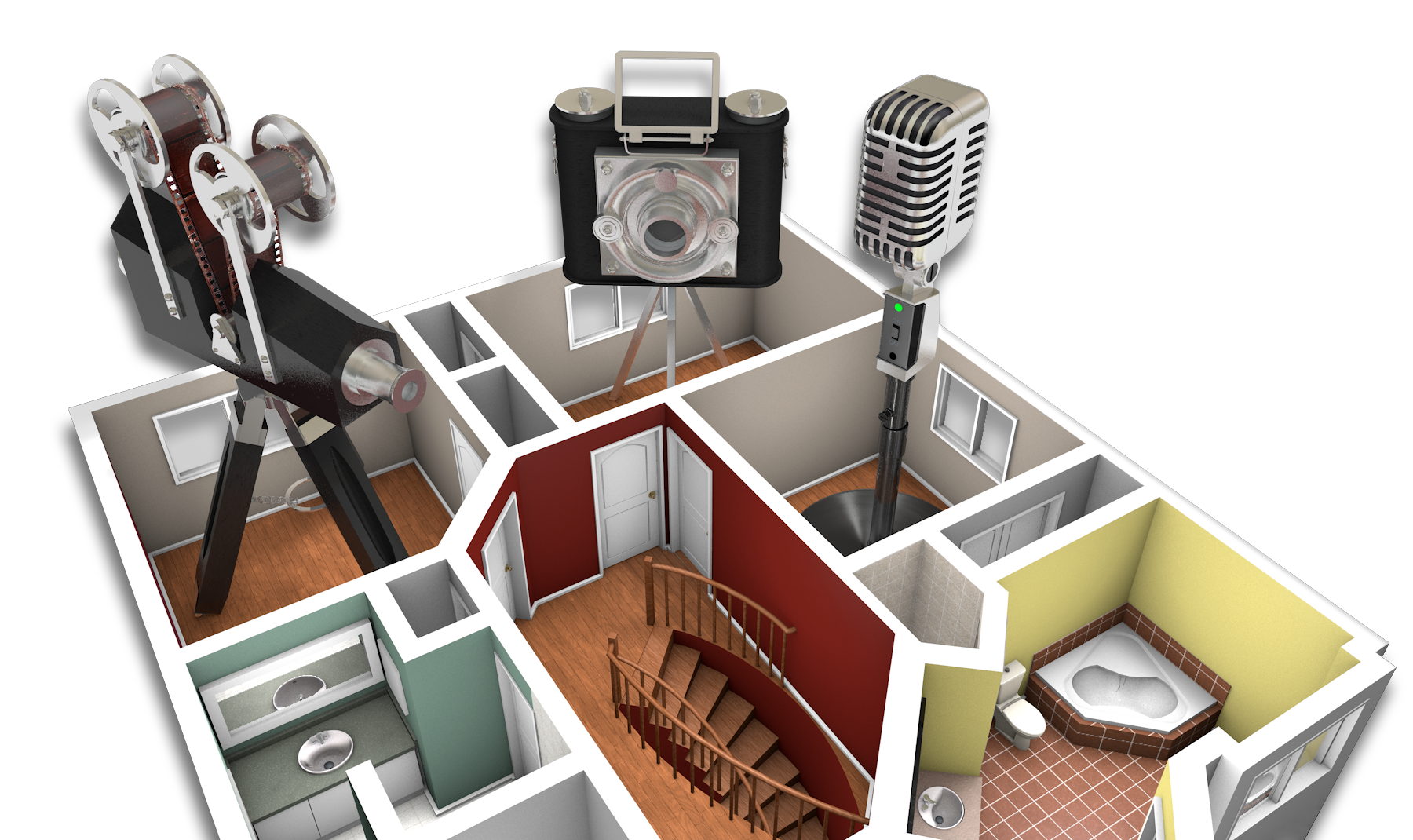
My video-narrated VR animated online showing can change that sequence. It can include drone footage with boundary context, a north arrow, narrated land and outbuilding explanation, VR floor plans, flat floor plans, measurements, professional photos, documents, MLS details, and a custom property page. The point is not to hide the as-is condition. The point is to let buyers see the condition in context.
For a Mono seller, that matters because the buyer may be weighing a property that needs work against another rural estate that is more polished but less private, has less land, lacks a shop, sits in a weaker pocket, or does not offer the same lifestyle. If the buyer only sees the repair list, the seller loses. If the buyer understands the opportunity and the risks, the negotiation can become more balanced.
FAQ
Frequently Asked Questions About Selling a House As Is in Mono
What is the best way to sell a house as-is in Mono?
The best way to sell a house as-is in Mono is to treat the sale as a confidence-building exercise, not a bargain-bin liquidation. Mono buyers are often lifestyle buyers looking for privacy, land, estate settings, views, outbuildings, and rural character. Kevin Flaherty recommends clarifying the as-is position, assembling the documentation package, pricing against the right rural estate comparables, and using video-narrated VR animated online showings so buyers understand the property before they discount it.
Does as-is mean the seller can hide problems?
No. As-is does not mean a seller can hide known material facts or mislead a buyer. It means the seller is usually saying that the property will be sold in its current condition and that the buyer must complete due diligence before committing. Known defects, limitations, and documentation gaps should be handled carefully with professional advice.
Why is Mono different from Shelburne or Caledon for as-is sales?
Mono is different because the average price tier and buyer psychology are different. Shelburne as-is sales often compete with in-town subdivision inventory and builder alternatives, while Caledon as-is sales often revolve around broad rural unknowns. In Mono, Kevin sees the largest as-is risk as the documentation gap on high-value rural estate homes, luxury acreages, prestige pockets, and lifestyle properties.
Is the as-is discount in Mono always about property condition?
No. In many Mono sales, the discount is partly a documentation discount. Buyers may accept dated finishes, older systems, or deferred cosmetic work if they understand the septic, well, WETT, propane, survey, permits, easements, and outbuilding history. When those records are missing, the buyer may discount aggressively because the risk feels larger than the visible condition issue.
What documents matter most for a Mono as-is sale?
The most important documents often include septic permits and service records, well records and water tests, WETT information for wood-burning appliances, propane ownership or rental agreements, surveys, driveway or trail easements, conservation correspondence, utility costs, permits for outbuildings or additions, and service records for major systems.
Should I renovate before selling as-is in Mono?
Not automatically. Kevin Flaherty often separates safety and access work from cosmetic renovation. Cleaning, decluttering, labelling systems, improving access, and organizing documents may protect value better than starting renovations that delay the sale or create questions about workmanship. For a deeper renovation decision, review the related Mono renovation guide linked on this page.
How does Kevin’s VR system help an as-is Mono property?
Kevin’s VR system helps because it can show the property’s strengths honestly. A Mono as-is property may still have valuable land, views, privacy, outbuildings, trails, or a prestige setting. Video narration, drone footage, animated boundary context, floor plans, measurements, documents, and a custom property page can help buyers see value instead of focusing only on deferred maintenance.
Are Mono as-is buyers usually investors or flippers?
Not usually in the same way as lower-priced urban or subdivision markets. Mono as-is buyers can be lifestyle buyers, move-up buyers, privacy seekers, estate buyers, hobby-farm buyers, recreational-property buyers, or contractors buying for their own use. They may negotiate firmly, but many are not hunting for a cheap flip; they are trying to understand risk at a seven-figure price point.
How should septic information be handled?
Yes, septic documentation is one of the most important files in a Mono as-is sale. Gather permits, pump records, service invoices, location details, capacity information, and any known history early. The buyer may still need inspection or professional verification, but organized records reduce uncertainty and prevent septic questions from becoming a larger negotiation weapon.
How should well water information be handled?
Kevin Flaherty recommends gathering recent water test results, well records, pump or pressure-system details, filtration or treatment service history, and any known seasonal notes before launch. A buyer may still test and verify, but a clear file can make the property feel more manageable and less mysterious.
Do WETT inspections matter for Mono homes?
Yes, especially when a property has fireplaces, wood stoves, inserts, outdoor boilers, or multiple wood-burning appliances. WETT documentation can affect buyer comfort, insurance conversations, and offer conditions. Missing WETT information does not always stop a sale, but it can add uncertainty.
Should propane tank ownership be disclosed?
Yes. Propane tank ownership, rental terms, supplier records, fuel costs, and service history can matter to buyers. In Kevin’s experience, a simple uncertainty such as whether the tank is owned or rented can become a larger trust issue when buyers are already evaluating an as-is rural property.
How do conservation-area considerations affect an as-is sale?
Yes, conservation-area considerations can significantly affect buyer confidence in a Mono as-is sale. When land use, setbacks, future improvements, drainage, watercourses, or tree cover are part of the property story, sellers should gather any correspondence, permits, or known limitations without making promises about what a buyer can do after closing.
Does a survey matter more for acreage?
Yes, a survey typically matters more for acreage properties. Larger parcels, long driveways, fencing, trails, outbuildings, easements, and boundary assumptions can all raise questions. Kevin Flaherty recommends finding any available survey or boundary documentation before launch because uncertainty about acreage and access can lead to larger buyer discounts.
Can I sell an inherited Mono property as-is?
Yes. An inherited property can often be sold as-is, but the seller should still gather as many records as possible and avoid guessing about systems or past work. Estate sellers may not know every detail, so the strategy should clearly separate known facts, unknowns, buyer verification, and the reason the property is being sold in its current condition.
How do estate subdivision pockets differ from older rural pockets?
The buyer expectations and as-is risk profiles differ significantly between estate and rural pockets. Estate pockets such as Cardinal Woods, Fieldstone, Watermark, Starrview Acres, and Island Lake Estates may involve dated luxury finishes, original mechanicals, or buyer expectations for polish. Older rural pockets such as Purple Hill, Mono Centre, Camilla, Hockley Valley, and Hockley Village may raise more questions about system age, access, documents, outbuildings, and land use.
Should I fix cosmetic issues before listing as-is?
Not necessarily. Kevin Flaherty's usual hierarchy is safety first, access second, documentation third, cleaning fourth, and cosmetic upgrades only when the return is clear. Some cosmetic cleanup may help, but the seller should be careful not to overspend. The goal is to make the property understandable and trustworthy, not to pretend it is fully renovated.
Can I still get close to market value selling as-is in Mono?
Yes, it is possible to get close to market value when the as-is position is clear, the documents are organized, and the price reflects the right buyer pool. A lifestyle buyer may pay close to market value for privacy, land, setting, and potential if uncertainty is controlled. The weaker the documentation, the more the buyer may demand a risk discount.
How should the listing describe an as-is sale?
Kevin Flaherty recommends keeping the listing accurate, calm, and specific enough to build trust without over-disclosing in a confusing way. It should make the opportunity clear, explain that the property is being sold in its current condition, and invite appropriate due diligence. Legal wording should be reviewed with the seller's lawyer and brokerage professionals.
What if my house did not sell before?
Kevin Flaherty looks for the reason the previous launch failed. In Mono, an unsold as-is property may have been overpriced, under-documented, poorly photographed, unclear about systems, or marketed as a problem instead of a high-value rural opportunity. The relaunch should fix the buyer-confidence gap, not simply reduce the price without a strategy.
Should buyers inspect an as-is Mono property?
Yes, buyers should still complete appropriate inspections and due diligence, especially for well, septic, WETT, insurance, financing, structure, moisture, and rural systems. An as-is clause does not remove the buyer's need to understand the property; it usually makes due diligence more important.
How does timing affect an as-is Mono sale?
Kevin Flaherty considers access, weather, driveway condition, landscaping, views, trails, exterior photos, and buyer demand when choosing timing. Some properties show better when land and views are visible, while others need winter access questions answered clearly. Timing should support the property story and the documentation package.
What should I do before booking a consultation?
Gather your key documents first. Before meeting with Kevin, collect your survey if available, tax bill, utility costs, permits, septic records, well records, water tests, WETT information, propane agreements, service records, renovation receipts, rental contracts, and a written list of known issues. Do not worry if the file is incomplete; the consultation can identify the most important gaps.
How do I start selling my Mono property as-is?
The first step is a property-specific strategy conversation with Kevin Flaherty. Kevin can help determine whether the main issue is condition, documentation, pricing, presentation, or buyer targeting. From there, the plan should define what to disclose, what to document, what to clean or repair for safety, and how to present the property's rural estate value to the right buyers.