






Should You Stage Your House in Mono?
Usually, start with cleaning, decluttering and furniture that helps explain room function. Decide room by room whether existing furnishings, selective staging or accurate vacant presentation makes the space easier to understand. For a Mono estate, acreage or hobby farm, buyers also need clear information about land, outbuildings and private services.
Kevin Flaherty’s video-narrated VR animated online showing helps present the whole property: rooms, land, outbuildings, driveway, systems, boundaries and lifestyle before buyers arrive.
People Also Ask
Quick answers for Mono sellers deciding whether to stage rural estate homes, acreages, hobby farms, and luxury properties before listing.
Should you stage your house in Mono?
Usually, do not make furniture the main strategy. A Mono buyer needs to understand land, outbuildings, systems, boundaries, access, and layout. Kevin’s VR showing can present rooms accurately while also showing the entire property.
Why is staging harder on acreage?
Acreage includes features furniture cannot stage: barns, workshops, long driveways, views, paddocks, trails, wells, septic systems, propane tanks, and property boundaries.
Does Kevin add virtual furniture?
No. Kevin’s philosophy is that buyers are not buying furniture. They need to see what they will receive on closing day and imagine themselves in the property faster.
What does the VR system show?
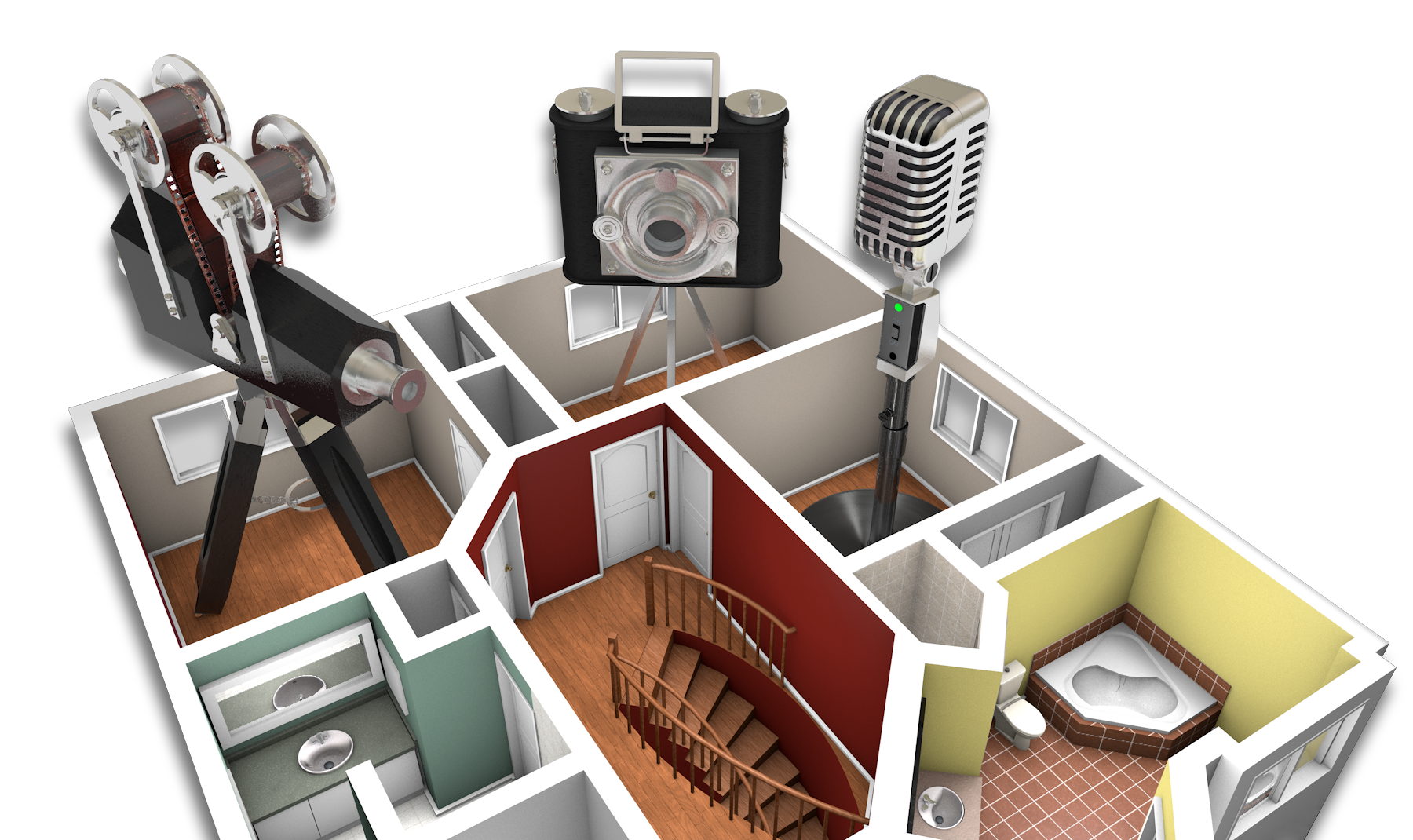
It can include narrated video, drone footage with animated boundary lines and a north arrow, VR floor plans, flat floor plans, measurements, photos, documents, MLS details, and a custom web page.
When should a room be vacant?
If a room is cluttered, oversized, or difficult to understand, showing it vacant can make it look cleaner, larger, and closer to what the buyer will see when they open the door on closing day.
I look at staging in Mono through a rural-property lens. If the house is in Cardinal Woods, Fieldstone, Watermark, Purple Hill, Island Lake Estates, Hockley Valley, Hockley Village, Mono Centre, Camilla, or Starrview Acres, the buyer is not simply comparing sofa placement. They are deciding whether the setting, systems, access, privacy, buildings, and daily-living pattern make sense. That is why my staging recommendation starts with buyer understanding, not furniture rental.
Mono staging is not a decorating question. It is a whole-property communication question.
In a city subdivision, staging often means arranging furniture so buyers can understand room size and lifestyle. In Mono, that is only one piece of the sale. Many homes are detached estate properties, acreages, hobby farms, conservation-area homes, and luxury rural properties. The rooms can be larger, the basements can be walkout or multi-purpose, garages and workshops can matter as much as living rooms, and the land can be the reason the buyer is interested in the first place.
That is why I do not recommend automatically spending money to add furniture physically or virtually. My view is simple: buyers are not buying the furniture. They are buying the home, land, buildings, systems, and future lifestyle. When the buyer turns the key on closing day and opens the door, vacant is what they are going to see. A clear online presentation should help them imagine that reality, not distract them with furniture that will be gone.
National staging research still matters. The National Association of Realtors 2025 Profile of Home Staging reported that many real estate professionals saw staging help buyers envision a property, increase offers in some cases, and reduce time on market for some homes. But the Mono application is different. The best staging outcome is buyer confidence, and for a rural property that confidence comes from understanding scale, access, documents, systems, outbuildings, land, and orientation as much as decor.
Kevin’s Mono rule: show the property the way buyers need to understand it. Sometimes existing furniture helps. Sometimes a vacant VR room is cleaner and more honest. Always, the whole property must be explained.
Choose staging by the room’s actual condition, likely usefulness and quoted cost. Paid staging does not guarantee a higher price or recover its cost. Vacant imagery should be identified accurately, and the showing should match the real condition buyers can inspect.
September 2026 Mono sales: context for your presentation plan
The TRREB September 2026 report records five Mono sales. Use this small monthly sample alongside the broader year-to-date period and property-specific comparable sales when deciding on price and preparation. These figures do not measure staging returns or prove that a particular presentation method causes a higher price or faster sale.
| Period | Sales | Average price | Median price | New listings | Active listings | Average LDOM | SP/LP |
|---|---|---|---|---|---|---|---|
| September 2026 | 5 | $1,064,000 | $950,000 | 26 | 71 | 77 days | 94% |
| January–September 2026 | 49 | $1,314,225 | $1,250,000 | 224 | Not cumulative | 46 days | 96% |
Source: TRREB September 2026 Dufferin report, Mono tables, page 7. The five September sales were reported as detached; that describes those sales, not all housing in Mono. LDOM means listing days on market; SP/LP is the reported selling-price-to-listing-price ratio.
Agree on a preparation budget using the actual property’s condition, relevant competing listings and quoted work. Compare the most suitable alternatives before paying for rental furniture. For the broader Toronto-region picture, consult TRREB’s September 2026 Market Watch; regional totals are separate from Mono results.
What a Mono rural-property presentation needs to explain
A staging plan should reflect the actual property and the questions buyers need answered. In Mono, land, private services, outbuildings, driveway access and room scale may need as much explanation as interior furnishings. Match the presentation to those features rather than applying one furniture package to every home.
That changes the staging conversation. A living room set cannot show the route from the road to the house. It cannot clarify where a shop sits in relation to the driveway. It cannot show whether there is a usable turnaround for trailers, contractors, guests, or winter service. It cannot explain well water, septic records, WETT questions for wood-burning appliances, propane tank ownership, generator details, conservation restrictions, trail networks, or property orientation.
My video-narrated VR animated online showing is built to solve that larger problem. It can show rooms vacant when that is more honest and easier to understand, and it can also show existing furniture where it helps. More importantly, it can move outside the house. Drone footage, animated boundary lines, a constantly oriented north arrow, narration, documents, floor plans, professional photographs, and MLS details work together on a custom web page that is syndicated to more than 57 online locations. That is the difference between decorating a room and explaining a rural property.
Drone boundary lines, maps and aerial images are illustrative; they do not establish legal boundaries. Obtain appropriate survey and title review. Measurements and rendered vacant rooms should be checked against the actual property. Confirm furniture, appliances, fixtures, equipment, rentals and exclusions clearly in the Agreement of Purchase and Sale; a furnished or vacant image does not determine what transfers on closing.

Room-by-room: stage, leave furnished, or show vacant in VR?
The right answer changes by room. A formal dining room with a properly scaled table may help a buyer understand entertaining. A cluttered spare room may be better shown vacant. A great room with high ceilings may need fewer items, not more. A basement, workshop, utility room, or garage may need labels, measurements, cleaning, and narration rather than decor. The goal is to remove friction from the buyer’s imagination.
| Space | Best Mono strategy | Reason |
|---|---|---|
| Great room or living room | Use existing furniture only if it supports scale; remove excess pieces. | Buyers need to see volume, light, fireplace, view, flooring, and traffic flow. |
| Kitchen and dining | Clean, simplify, and show function; stage lightly if table scale helps. | Buyers evaluate daily living and entertaining, not decorative clutter. |
| Primary suite | Show calm scale and storage; avoid over-personalized decor. | A luxury or estate buyer wants comfort, privacy, views, and usable closets. |
| Walkout basement | Use narration, measurements, and selective furnishings or vacant VR. | Large lower levels often need explanation for recreation, multigenerational living, or work space. |
| Workshop or garage | Clean, organize, label systems, and show dimensions. | Furniture is irrelevant; function, doors, hydro, heat, storage, and access matter. |
| Barns, paddocks, and land | Use drone, photos, safety cleanup, documents, and boundary context. | The value is in usability, access, condition, orientation, and permitted understanding. |
| Utility rooms | Clean, label, document, and make safe. | Buyers care about well, septic, WETT, propane, HVAC, filtration, and electrical confidence. |
How I decide the staging strategy for a Mono property
My six-phase staging process is designed for the way Mono homes are actually bought. I begin by identifying the buyer’s uncertainty, then I build the property story, prepare rooms, prepare land and buildings, produce the online showing, and adjust after launch. This process is more useful than asking whether every room should be filled with rental furniture.
Phase 1: Decide whether physical furniture staging solves the real Mono buyer problem
- Identify whether the buyer’s main uncertainty is decor, scale, land, outbuildings, access, or property systems.
- Separate emotional presentation issues from rural due-diligence issues such as well, septic, WETT, propane, survey, and utility costs.
- List rooms where furniture genuinely clarifies use and rooms where vacant presentation will look cleaner, larger, and more honest.
- Review oversized rooms, walkout basements, lofts, workshops, garages, and unfinished spaces that are difficult to stage physically.
- Compare staging cost against the risk that buyers still will not understand land, boundaries, buildings, and mechanical systems.
- Choose a strategy that helps buyers imagine the seller out and themselves in without distracting them with furniture they are not buying.
Phase 2: Build the rural property story before media day
- Document acreage, frontage, access, driveway type, gates, trails, views, privacy, and known property boundaries. Maps and drone images do not establish legal boundaries; seek appropriate professional review.
- Gather surveys, permits, tax information, utility costs, well records, water tests, septic records, WETT documents, propane agreements, and system service records. Confirm bacterial versus chemical water-testing limits and the wood-appliance inspection report your insurer requires.
- Make a written list of features in barns, workshops, garages, paddocks, gardens, decks, porches, trails, and accessory structures.
- Confirm which items are included, excluded, rented, leased, or personal property before buyers ask. Record the agreed inclusions and exclusions clearly in the purchase agreement.
- Prepare plain-language explanations for rural systems without making unsupported guarantees.
- Identify nearby lifestyle anchors such as Mono Cliffs Provincial Park, Island Lake Conservation Area, Hockley Valley Resort, and Orangeville amenities. Check actual access, membership and use conditions.
Phase 3: Prepare the house, large rooms, and vacant-versus-furnished decisions
- Deep clean main rooms, mudrooms, utility areas, basements, closets, garages, and storage spaces that buyers will inspect.
- Remove excess furniture from large rooms so scale, light, flooring, views, fireplaces, beams, and ceiling height are visible.
- Use existing furniture only where it helps a buyer understand function, comfort, traffic flow, or lifestyle.
- Show cluttered or over-personalized rooms vacant in the VR environment when vacant presentation is clearer and more buyer-friendly.
- Avoid adding virtual furniture simply to decorate a room when the buyer needs to see what is actually there.
- Make every important room consistent between the online showing and the in-person showing so buyer trust is protected.
Phase 4: Prepare outbuildings, land, access, and exterior features that furniture cannot stage
- Clear safe access to barns, workshops, sheds, garages, paddocks, trails, decks, gates, and exterior mechanical areas.
- Remove debris, unused equipment, hazardous items, and clutter that make useful outbuildings feel like liabilities.
- Label electrical panels, water sources, fuel tanks, shop heat, storage areas, and included fixtures where appropriate.
- Grade, tidy, or explain long driveways, parking areas, turnaround space, snow storage, drainage, and emergency access. Confirm applicable permissions before grading, clearing or changing drainage.
- Prepare the drone story with visible approaches, tree lines, fields, slopes, trails, nearby landmarks, and animated boundary context.
- Make exterior spaces safe and understandable enough for buyers to evaluate function rather than guess.
Phase 5: Produce the video-narrated VR animated online showing
- Capture professional photos, VR floor plans, flat floor plans, measurements, MLS details, and property documents in one custom web page.
- Narrate the most important property benefits, systems, land features, outbuildings, approaches, and surrounding area features.
- Use drone footage to show the whole property, not just the house façade or selected room angles.
- Animate property boundary lines into the video and include a north arrow that continually points north regardless of drone direction. These lines are illustrative and do not establish legal boundaries.
- Show rooms vacant or furnished based on strategic buyer understanding, not competitor habits.
- Syndicate the custom property web page to more than 57 online locations for maximum exposure.
Phase 6: Launch, showing feedback, and offer-readiness
- Use the online showing to help buyers pre-qualify themselves before booking a rural property showing.
- Keep documents ready for serious buyers who ask about well, septic, WETT, propane, surveys, utilities, insurance, and financing.
- Monitor feedback about confusion, clutter, access, systems , pricing, land, and outbuildings after launch.
- Adjust photo captions, MLS remarks, documents, or showing instructions if repeated buyer questions reveal a communication gap.
- Keep the property showing-ready so the in-person experience matches the online presentation.
- Review offer conditions with a rural-property mindset, including inspection, water, septic, insurance, financing, and included chattels.
For well water, bacterial tests cover E. coli and total coliforms; they do not establish chemical safety or water quantity. Ask your public health unit about chemical testing. For wood-burning appliances, confirm your insurer’s required inspection level and timing and obtain the written report from a WETT-certified professional. WETT certifies people rather than issuing appliance certificates. Septic work should reflect condition, maintenance history, specialist advice and agreed terms.
How the staging decision changes across Mono communities
Mono has no single urban core, so buyer expectations shift by setting. A property near Mono Real Estate Hub, Camilla, Cardinal Woods, Fieldstone, Hockley Village, Hockley Valley, Island Lake Estates, Mono Centre, Purple Hill, Starrview Acres, Watermark can require a different emphasis in the online showing. Estate pockets may need polish, rural roads may need access clarity, hobby farms may need outbuilding detail, and conservation-area properties may need careful language about land use and nearby amenities.
Because Kevin has lived in Purple Hill since 1998, he understands that Mono is north and east of Orangeville and that the closest urban amenities are often in Orangeville while the property appeal comes from privacy, land, views, recreation, and detached rural living. That local knowledge matters when deciding what the buyer must see before a showing.
Before grading, clearing or removing structures, confirm permissions with the Town of Mono and relevant authorities. Proximity to Mono Cliffs Provincial Park, Island Lake Conservation Area or a private recreation facility does not grant access or membership; check the terms for the actual property.
Related Mono seller guides
Staging is only one part of the sale. Use these related Mono seller guides together so pricing, preparation, timing, renovation, and launch strategy work as one plan.
- Best Time to Sell a House in Mono
- Costs of Selling a Home in Mono
- How Long Does It Take to Sell a House in Mono
- How to Prepare Your House for Sale in Mono
- How to Price Your House in Mono
- How to Sell Your House Fast in Mono
- Should You Renovate Before Selling in Mono
- What Not to Fix When Selling in Mono
- Selling a House As Is in Mono
- Selling Rural Property and Acreage in Mono
- Selling a Hobby Farm in Mono
- How to Sell a Luxury Estate Home in Mono
- Selling a Home With Septic and Well in Mono
- How to Get Multiple Offers on Your Mono Home
- Mono Real Estate Market
- Why Your Mono Home Isn’t Selling
- What Adds the Most Value Before Selling in Mono
- What Scares Buyers Away From a Home in Mono
Mono community pages
Use these Mono community pages to understand how location, property style, and buyer expectations may affect staging and presentation.
Watch the selling system behind the Mono staging recommendation
How To Get Top Dollar For Your House
Kevin Flaherty explains the complete home selling system and how strong online presentation helps sellers attract better-qualified buyers.
Video Narrated VR Animated Online Showings
A sample of Kevin Flaherty’s video-narrated VR animated online showing system for helping buyers understand a home before they arrive.
10 Questions to Ask Before Hiring a Realtor
Kevin Flaherty explains important questions sellers should ask before choosing a Realtor and marketing plan.
How To Avoid Legal Mistakes When Selling A House
Kevin Flaherty discusses seller disclosure, documentation, and mistakes to avoid during a home sale.
Why Didn't My House Sell?
Kevin Flaherty explains why homes may fail to sell and how stronger presentation, pricing, and buyer education can help.
What sellers say about Kevin’s marketing
Brian Masulka
Kevin's experience and marketing team sold my home over asking price in one day. The house was sold before it even went on MLS. We did not have to go through open houses or multiple viewings. The professional videos his team produces are amazing.
Google review · Dufferin County · Read client reviews
Joanne Holding
I couldn't believe how fast my home sold at a time when other homes were sitting on the market. Kevin got mine sold quickly and at a price that was top dollar and even more than I expected. His video narrated VR animated online showing gave my home amazing exposure and reduced unnecessary showings. Kevin was a pleasure to deal with. He was always patient and kept me informed every step of the way. I highly recommend his innovative approach.
Google review · Dufferin County · Read client reviews
Individual experiences vary. These Dufferin County testimonials describe their own transactions.
Flaherty Team on Google: 5.0/5 from 61 reviews — Google Business Profile. Last checked October 9, 2026.
Frequently Asked Questions About Staging a House in Mono
Should you stage your house in Mono before selling?
Usually, a Mono seller should not treat furniture staging as the main solution. The better question is whether buyers will understand the entire rural estate, acreage, hobby farm, or luxury property before they book a showing. Kevin Flaherty’s approach is to use accurate vacant or selectively furnished VR presentation, narrated video, drone footage with animated boundary lines and a north arrow, floor plans, measurements, documents, photos, and MLS details so the buyer understands the whole property, not only the furniture in a few rooms.
Why is traditional staging less practical for many Mono properties?
Traditional staging is less practical in Mono because rooms are often larger, properties include outbuildings and land, and buyers need clarity on systems such as well, septic, WETT documentation, propane, drainage, access, and maintenance. A couch can make a living room attractive, but it cannot stage a barn, workshop, driveway, trail, paddock, view, or boundary line.
Does Kevin Flaherty add virtual furniture to rooms?
Kevin Flaherty does not stage by adding furniture either physically or virtually as a default marketing tactic. His philosophy is that buyers are not purchasing the furniture. They are buying the home and property, and they need to see how the house will feel when they turn the key on closing day.
Why does vacant presentation help online buyers?
Through thousands of showings, Kevin has found that buyers often have to do two mental jobs: imagine the seller out and then imagine themselves in. A clean vacant presentation removes the first step and helps buyers focus on space, light, flooring, views, room size, and their own future use.
When would Kevin show a room furnished instead of vacant?
Kevin makes a strategic room-by-room decision. If existing furniture helps explain scale, layout, comfort, or function, it may be shown. If a room is cluttered, over-personalized, or difficult for buyers to interpret, that room can be shown vacant in the VR environment so it appears cleaner, larger, and easier to understand.
Is staging still useful for some Mono homes?
Yes, staging can still be useful when it clarifies room function, improves photography, reduces distraction, or helps a buyer understand an unusually shaped room. The difference is that in Mono the staging decision should be secondary to the bigger question: does the online showing explain the home, acreage, systems, land, and lifestyle?
What does the VR animated online showing include?
The VR animated online showing can include narrated video, professional photographs, VR floor plans, flat floor plans with square footage and measurement points, drone footage, MLS details, property documents, and a custom web page for the home. Kevin also uses narration to explain the property’s features rather than leaving buyers to guess.
How does drone footage help sell a Mono acreage?
Drone footage helps buyers understand approach, privacy, land shape, terrain, fields, tree lines, outbuildings, driveways, trails, and relationship to neighbouring properties. For a Mono acreage or estate, the aerial story may be just as important as the interior story because the buyer is purchasing the setting as well as the house.
Why are animated boundary lines important?
Animated boundary lines help buyers understand what they are seeing from above. Kevin’s system can animate the property lines into the drone video and include a north arrow that continually points north regardless of the drone’s direction, which helps buyers interpret land, views, access, and orientation more confidently. The animated lines are illustrative; maps and drone footage do not establish legal boundaries. Seek appropriate survey and title review.
Do buyers care more about furniture or systems in Mono?
Buyers care about both presentation and confidence, but systems often carry more risk in Mono than furniture. A buyer may like the living room and still hesitate if the well, septic, WETT, propane, survey, insurance, access, or outbuilding information feels unclear.
How does Kevin’s approach differ from competitors who offer staging furniture?
Kevin Flaherty’s view is that competitors often offer furniture staging because they do not have the same technology to show an accurate vacant VR environment and the whole property. His method focuses on showing what buyers will actually receive and explaining the land, systems, buildings, and floor plan in detail.
Does a vacant VR showing make a home feel empty?
It should not feel empty when it is done properly. The virtual environment must be accurate, clean, well-lit, and detailed enough that a still image of the VR room could be difficult to distinguish from a real photo of the room without furniture. The goal is not emptiness; it is clarity.
What rooms are hardest to stage in Mono estate homes?
Great rooms, walkout basements, lofts, workshops, garages, recreation rooms, pool houses, utility rooms, oversized primary suites, and multi-purpose spaces are often difficult to stage economically. These rooms need scale, measurements, and narration more than expensive furniture.
Can furniture staging show barns, workshops, or acreage?
No. Furniture staging cannot explain a barn’s hydro, a workshop’s doors and ceiling height, a driveway’s turnaround space, a paddock’s layout, a trail’s route, a field’s access, or a property boundary. Those features need photography, drone footage, floor plans, captions, documentation, and narration.
What should a Mono seller prepare before media day?
Kevin recommends preparing the whole property before media day: clean the house, declutter major rooms, open access to outbuildings, move vehicles and equipment from important sightlines, gather documents, identify boundaries, check gates and driveways, and make utility spaces safe and presentable. Confirm permissions before grading or clearing, distinguish bacterial water testing from chemical safety, and obtain the written wood-appliance inspection report required by your insurer.
How do NAR staging findings apply in Mono?
The National Association of Realtors reported in its 2025 Profile of Home Staging that many agents see staging help buyers envision a property and sometimes improve offers or speed. In Mono, that principle still matters, but the local application is broader: buyers must envision themselves in the home and understand acreage, systems, outbuildings, access, and lifestyle.
What does TRREB September 2026 data tell Mono sellers?
TRREB reported five Mono sales in September 2026, a $1,064,000 average price, a $950,000 median, 26 new listings, 71 active listings, 77 average listing days on market and a 94% selling-price-to-listing-price ratio. January–September recorded 49 sales, a $1,314,225 average and a $1,250,000 median. The monthly sample is small; these figures are context, not a property-specific valuation or evidence of staging returns.
Should I stage a hobby farm before selling in Mono?
A hobby farm needs more than living-room staging. Clean and organize barns, stalls, paddocks, tack rooms, feed areas, fencing, water access, equipment storage, driveways, and safety details. If the residence needs selective staging, do it, but the farm features must also be explained clearly.
Should I stage a luxury Mono estate differently?
Luxury Mono estates should be presented with polish, but the buyer still needs substance. Kevin’s marketing should help explain architecture, views, privacy, entertaining areas, garages, recreational amenities, smart systems, service history, land, and nearby lifestyle anchors such as Mono Cliffs, Island Lake, and Hockley Valley. Nearby recreation does not automatically provide access or membership.
What if my home is cluttered?
If a home is cluttered, the plan should not be to digitally decorate over confusion. Kevin can decide which rooms should be physically decluttered, which existing furnishings should remain, and which rooms should be shown vacant in the VR environment so buyers see the actual space more clearly.
Can the online showing reduce unnecessary rural showings?
Yes. A detailed online showing helps buyers decide whether the property is truly right for them before they drive to Mono. That matters because rural showings take more time, access may involve gates or weather, and sellers often need to prepare pets, livestock, driveways, outbuildings, and privacy-sensitive spaces.
How does this strategy apply in Purple Hill, Hockley Valley, and Watermark?
In Purple Hill, presentation may focus on estate-home polish and local familiarity. In Hockley Valley, the story may emphasize terrain, recreation, views, access, and privacy. In Watermark, the presentation may need to match executive expectations while still explaining systems and property value. The same principle applies: show the whole property clearly.
Where can I learn more about selling a Mono home?
Use Kevin’s related Mono seller guides on pricing, timing, costs, preparation, renovations, speed of sale, what not to fix, and days on market. They work together because staging is only one part of a successful Mono selling strategy.
Who should I call for a Mono staging and VR strategy?
Call Kevin Flaherty at 226-270-6433 or book a Zoom strategy call. Kevin has sold real estate in south-central Ontario since 1988, has lived in Purple Hill, Mono since 1998, and uses a video-narrated VR animated online showing system designed for complex rural, estate, acreage, and luxury properties.

About Kevin Flaherty
Kevin Flaherty is a Realtor with eXp Realty who has served south-central Ontario real estate clients since 1988 and has lived in Purple Hill, Mono since 1998. His Home Selling System Team uses professional media, video-narrated VR animated online showings, custom property web pages, and practical seller coaching to help buyers understand homes before they arrive.
Phone: 226-270-6433 · Mono Realtors · Mono Sellers · Mono Home Evaluation