These questions reflect the practical issues sellers need to resolve when a rural, acreage, farm, or estate-home listing is not getting the response it should.
Why is my East Garafraxa home not selling?
The most common reasons are a price that does not match buyer alternatives, weak online presentation, incomplete rural documentation, unresolved condition concerns, unclear acreage or estate positioning, or a marketing plan that treats the property like a standard subdivision listing.
How do I know if price is the problem?
Price is usually the first suspect when online views are weak, showings are scarce, buyers compare your home unfavourably with active competition, or feedback says the property is interesting but not compelling at the asking price. In East Garafraxa, price must be tested against current rural alternatives, not only old expectations.
Why is pricing harder in a low-volume rural market?
In a low-volume market, there may be only a few useful sales in a quarter, and those sales may involve very different acreage, home size, finish level, outbuildings, or road context. A simple average can hide the differences that actually drive buyer decisions.
How should acreage be valued when my home is not selling?
Kevin compares the residence, usable land, privacy, outbuildings, driveway approach, road location, soil and drainage impression, and buyer-use potential instead of treating every acre as having the same value. That helps separate land that strengthens the sale from land that buyers may see as maintenance.
Can well or septic uncertainty reduce buyer interest?
Yes. Buyers can hesitate when water supply, septic age, pump-out history, treatment equipment, permits, or maintenance records are unclear. Preparing those answers before relisting can reduce fear, shorten due diligence, and keep the conversation focused on the property's value.
What does overpricing do in East Garafraxa?
Overpricing in a low-volume rural market can quietly shrink the buyer pool because serious buyers compare your home with alternatives across East Garafraxa, Mono, Amaranth, Erin, Caledon, and the Orangeville area. If the listing feels too high for its condition or land story, buyers may not book a showing at all.
What does the Q1 2026 TRREB data say about East Garafraxa?
TRREB Q1 2026 East Garafraxa data showed 3 sales, a $1,216,667 average price, a 96% sale-price-to-list-price ratio, 33 average days on market, 4 new listings, and 9 active listings. The key lesson is that East Garafraxa is a very low-volume market, so every listing needs property-specific interpretation.
Are online estimates reliable for East Garafraxa homes?
Kevin treats online estimates as a rough conversation starter, not a pricing plan, because automated tools often miss usable acreage, private services, outbuildings, custom finishes, mature trees, road context, and the impact of very low comparable-sale volume.
Can poor photos stop buyers from booking showings?
Yes. Rural buyers often decide online whether a property is worth the drive. If the photos do not show the home, driveway approach, land, outbuildings, views, floor plan, and best lifestyle features, buyers may skip the listing before they ever visit.
Why does a virtual tour matter for rural properties?
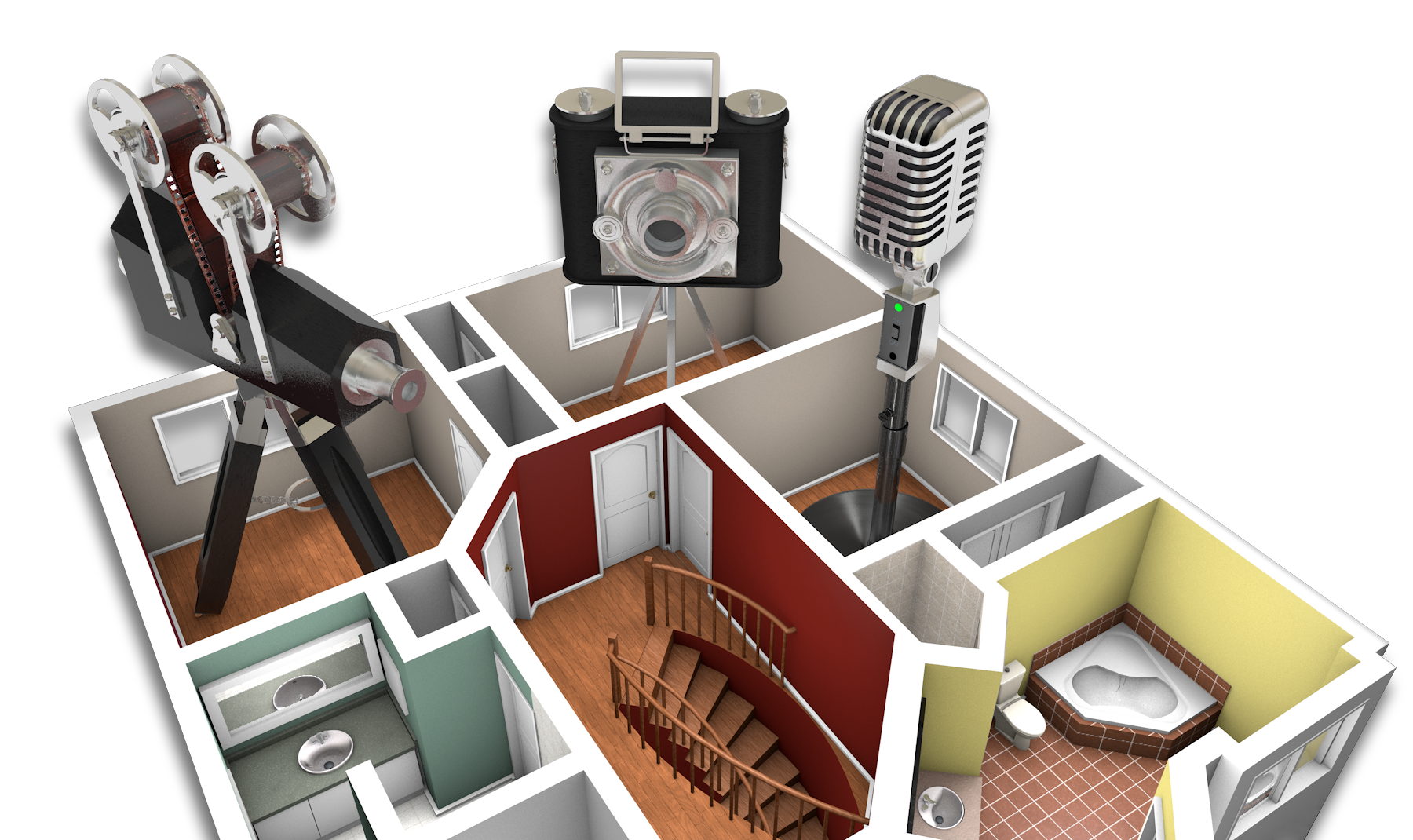
Kevin uses Video Narrated VR Animated Online Showings to help buyers understand layout, flow, upgrades, acreage, privacy, outbuildings, and setting before they decide whether the home deserves an in-person showing.
What if the listing had limited online exposure?
A rural listing can fail when it relies only on basic MLS exposure and a few photos. Strong exposure should combine compelling copy, professional media, video, floor-plan clarity, map context, property-specific benefits, and distribution that reaches buyers searching beyond the immediate township.
How do I know if my agent is part of the problem?
Kevin recommends looking at evidence rather than blame: the quality of pricing analysis, photo and video presentation, buyer-feedback tracking, rural document preparation, follow-up discipline, online exposure, and whether the agent can clearly explain why the previous plan did not work.
Does seasonal timing affect rural and estate-home sales?
Yes. Spring and early summer can help with landscaping, long driveways, gardens, views, and outdoor living areas, while winter can make access, lighting, exterior presentation, and land use harder to show. Timing matters, but it does not replace pricing, preparation, and marketing.
How do buyer concerns about commute and amenities affect the sale?
Some buyers love East Garafraxa for space and privacy, but still worry about commute time, schools, shopping, medical access, sports, restaurants, and daily convenience. The listing should address practical location benefits clearly instead of assuming buyers already understand the area.
Can internet or cell coverage concerns hurt a rural listing?
Yes. Many buyers need reliable service for remote work, streaming, security systems, and everyday life. If available providers, speeds, equipment, or cell reception are not explained, uncertainty can become an objection even when the home itself is attractive.
What should I do after my listing expires?
Kevin starts with a post-listing review of price, online engagement, showing feedback, media quality, documents, competition, buyer objections, and negotiation history. The goal is to identify the real failure point before changing the price or relaunching the same listing.
How long should I wait before relisting?
There is no single waiting period that fits every property. If the previous listing created a stale impression, it may be worth pausing long enough to correct price, presentation, documents, repairs, photos, copy, and launch timing so the relaunch feels genuinely new.
Should I reduce the price or relaunch the listing?
That depends on the evidence. If the price is clearly above buyer alternatives, a correction matters. If the home is close to market but the presentation, documents, access, or targeting were weak, a coordinated relaunch may be stronger than a small price cut alone.
What condition issues most often scare buyers away?
Kevin looks first for issues that create doubt: water staining, roof concerns, old mechanicals, odours, poor lighting, worn flooring, dated kitchens or baths, cluttered utility areas, unsafe railings, peeling paint, and exterior details that make buyers question overall maintenance.
How important is curb appeal for a rural property?
Curb appeal starts before the front door. A buyer notices the road approach, sign placement, driveway condition, gate, fencing, gardens, exterior maintenance, garage or outbuilding presentation, and whether the property feels cared for as soon as they arrive.
Can showing access problems stop a sale?
Kevin reviews access friction carefully because long driveways, locked gates, difficult parking, pets, tenants, snow removal, unclear instructions, or restrictive showing windows can reduce buyer traffic. A good showing plan makes the property easy and comfortable to view.
Do zoning and permitted-use questions affect rural buyers?
Yes. Buyers may ask about home businesses, secondary units, barns, workshops, animals, agricultural uses, conservation constraints, setbacks, and future plans. Sellers should avoid guessing and provide clear direction on where buyers can verify permitted uses.
What if buyers are interested but keep objecting to distance?
Distance objections are common when buyers like the home but are unsure about daily life. The listing can help by explaining routes, nearby towns, services, recreation, schools, and why the privacy or acreage benefit may justify the drive for the right buyer.
What is the first step if my East Garafraxa home is not selling?
Start with a property-specific review. Kevin can examine the price, old listing, buyer feedback, rural documents, presentation, competition, access issues, and likely buyer profile, then recommend whether to adjust, prepare, relaunch, or reposition before spending more time on the market.