Kevin Flaherty, real estate broker, smiling in a professional suit with a blue tie, representing the Flaherty Team.
Kevin Flaherty, top 1% Orangeville realtor for 10+ years, providing free no-obligation home value opinions — call 226-270-6433
Kevin Flaherty Home Selling System Team branding graphic featuring the text ‘Kevin@Flaherty.ca
’ and toll-free phone number 1-877-352-4378
Graphic with the text ‘Online Showings – Get Your Home Sold Faster & For More!’ promoting Video Narrated VR animated online showings for faster real estate sales
Real estate marketing graphic showing a house with a ‘SOLD!’ sign promoting access to sold listings and property information, with a yellow ‘Click Here’ button offering access similar to a REALTOR.
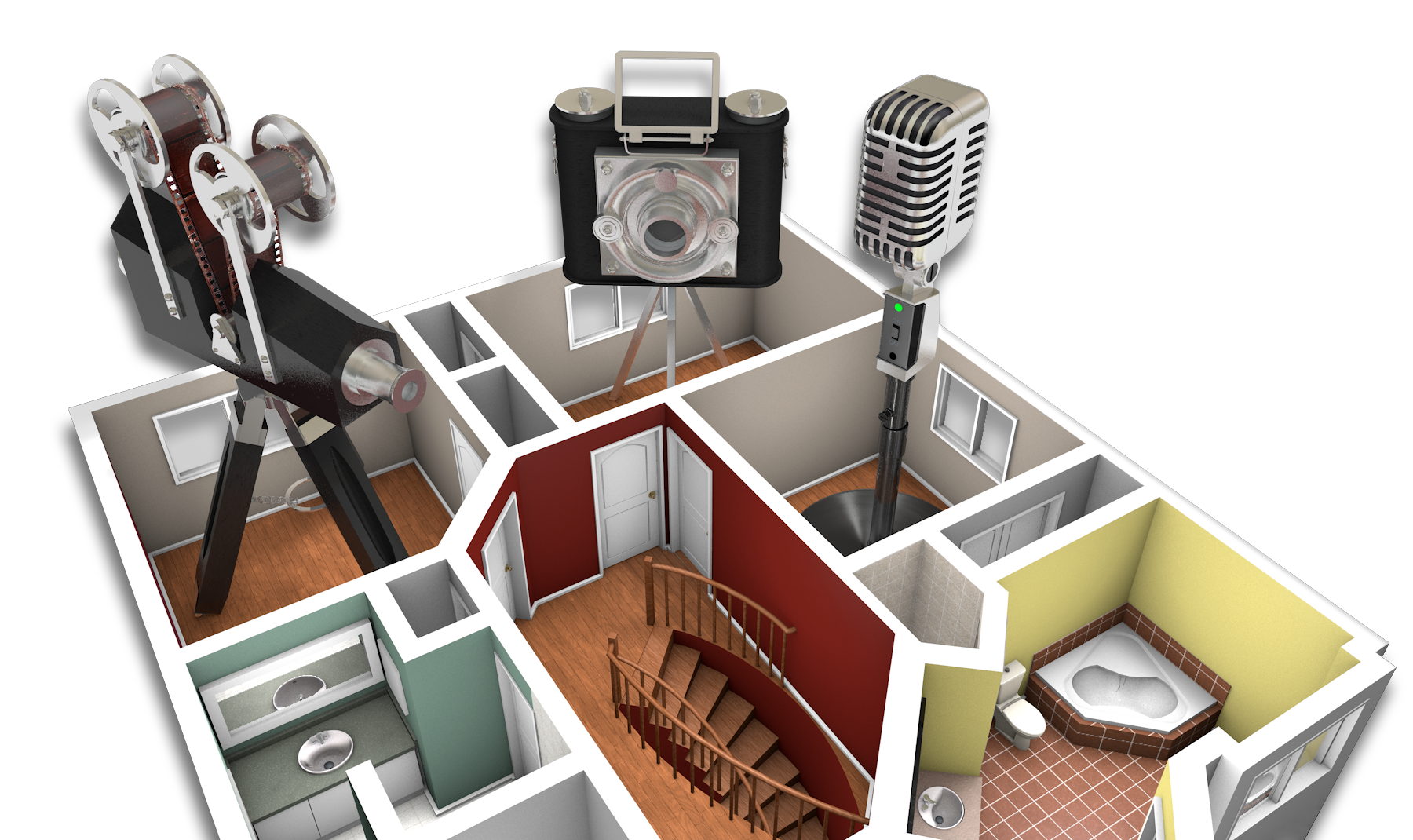
VR floor plan of a home with oversized camera, video camera, and microphone graphics representing high-quality real estate photography, and video narrated VR animated online showings for advanced property marketing.
Flaherty Team logo with Kevin@Flaherty.ca featuring "Flaherty" in bold text, "Home Selling System Team" below, emphasizing real estate services
Graphic with the text ‘Online Showings – Get Your Home Sold Faster & For More!’ promoting Video Narrated VR animated online showings for faster real estate sales
Mono estate and acreage seller guide

What Adds the Most Value Before Selling in Mono? Estate and Acreage ROI Rankings

On a Mono property with acreage, septic, well, outbuildings, privacy, and a long driveway, the best return rarely comes from copying a suburban renovation checklist. I rank value-adds by one test: which action removes the most buyer hesitation for the least seller cost?

Read time: 18 minutesUpdated June 2026Location: Mono, OntarioAuthor: Kevin Flaherty

If you own a Mono estate, hobby farm, or acreage home, I do not want you spending $60,000 on a renovation that buyers may discount or replace. I want you to invest first in the parts of the property that create confidence: marketing quality, septic and well documentation, land presentation, driveway approach, exterior care, outdoor living, and outbuilding utility.

Mono wraps around Orangeville to the north and east, and the buyer pool is not comparing your property to a typical small-lot subdivision home. Buyers may be evaluating a private lane in Hockley Valley, an estate-subdivision lot in Purple Hill, a workshop property near Mono Centre, or a polished acreage close to Island Lake Estates. The improvement ranking must reflect that reality.

This page is deliberately different from a generic value-boosting checklist. It uses what I call the Estate ROI Ladder: the highest-ranked projects are the ones that make a $1.4M-class rural property easier to trust, easier to understand online, and easier to choose before the buyer has invested a full afternoon in a country showing.

Why Mono Value-Adds Behave Differently on $1.4M Acreage

According to TRREB April 2026 data, Mono recorded 8 sales, a $1,380,000 average price, a $1,477,500 median price, 25 new listings, 51 active listings, 41 average days on market, and a 96% sale-to-list-price ratio.[1] Those figures matter because a seller should not evaluate a project the same way a $692,000 small-lot seller might. In Mono, buyers are often buying land, privacy, systems, lifestyle, and confidence as much as finishes.

$1,380,000Average sold price
$1,477,500Median sold price
41Average days on market
96%Sale-to-list-price ratio
51Active listings
100%Reported sales were detached
Mono market factorSeller interpretationValue-add implication
Detached estate marketAll April 2026 Mono sales in the supplied TRREB reference were detached.Rank improvements by acreage, systems, exterior, and lifestyle confidence, not townhouse or small-lot assumptions.
$1.4M-class pricingBuyers expect the property to feel cared for across a larger footprint.Small maintenance signals become bigger because there are more surfaces, systems, and land areas to judge.
Private systems commonWell and septic questions can slow or weaken offers.Documentation can produce more confidence than cosmetic spending.
Large lots and rural accessThe showing begins at the road and continues through the land.Driveway, entrance, mowing, trails, and outbuildings deserve their own ROI categories.

For local seller context, review the main Mono Realtors and real estate hub, the Flaherty.ca sellers page, and the Mono home evaluation page before making a large spending decision.

The Estate ROI Ladder: Rank Improvements by Buyer Risk Removed

The Estate ROI Ladder is not a decorating sequence. It ranks projects by how much buyer uncertainty they remove. On a rural property, uncertainty has a specific shape: “Is the septic okay?” “How strong is the well?” “How much land is actually usable?” “Are the outbuildings sound?” “Will this driveway be a problem in winter?” “Am I seeing the whole property online, or only the best room angles?”

That is why marketing quality appears first. If buyers cannot understand the property online, the value of every improvement is partly hidden. A $0-extra-cost VR showing, custom property website, and syndication to 57+ sites can expose the value that already exists. Then, low-cost documentation and presentation steps make physical features easier to trust.

Download the Mono Value-Add ROI Rankings

The PDF includes the ranked ROI table, septic/well confidence checklist, land-presentation worksheet, outbuilding preparation list, and the overspend warning section for full renovations.

RankValue-add categoryTypical seller costWhy it matters on Mono acreageROI outlook
1Marketing quality: VR system plus 57+ site syndication$0 extra cost to sellerExisting estate features, land, outbuildings, approach, privacy, and systems are explained before buyers visitHighest ROI; often the strongest net-return lever
2Septic and well documentation package$500–$1,500Pump-out receipt, inspection report, water quality test, flow-rate certificate, maintenance logVery high ROI because it removes rural buyer hesitation
3Landscape maintenance and land presentation$1,000–$5,000Mowing, trimming, trail clearing, lane edges, entrance landscaping, paddock tidyingHigh ROI; NAR cites 104% cost recovery for landscape maintenance
4Professional exterior cleaning$500–$2,000Driveway, deck, siding, stone, railings, exterior glass, patio surfacesHigh ROI when the estate must look carefully maintained
5Driveway and entrance curb appeal$2,000–$8,000Gravel refresh, ditch/edge cleanup, gate/marker repair, approach lightingStrong ROI because the showing starts at the road
6Exterior paint, stain, and trim touch-ups$2,000–$6,000Decks, fences, outbuildings, doors, trim, weathered visible elementsStrong ROI when it signals ongoing care
7Interior neutral paint$3,000–$8,000Large foyer, main rooms, hallways, primary suite, lower levelStrong ROI when it unifies a 3,000+ sq ft estate
8Deck, patio, and outdoor living refresh$2,000–$10,000Power wash, stain, furniture edit, lighting, firepit cleanup, safety repairsStrong ROI for privacy, entertaining, and acreage lifestyle
9Kitchen cosmetic refresh$5,000–$15,000Hardware, lighting, backsplash, faucet, cabinet adjustment, paintModerate ROI; avoid full renovation by default
10Bathroom cosmetic refresh$2,000–$8,000Fixtures, mirrors, caulking, grout, ventilation, lightingModerate ROI if the room looks clean and low-risk
11Flooring refresh$5,000–$15,000Refinish hardwood, repair transitions, replace clearly worn carpetModerate ROI when wear distracts from the home’s scale
12Outbuilding maintenance$1,000–$5,000Clean workshops, barns, sheds; repair doors, siding, lighting, organizationModerate ROI because utility must be understandable
13Full kitchen renovation$40,000–$80,000Major cabinets, counters, appliances, layout workOverspend risk before sale; rarely returns enough
14Pool installationOften $80,000+New pool, hardscape, fencing, mechanicalsLow ROI/risk because rural buyers are divided
15Major structural additionsVaries widelyAdditions, new garages, new outbuildings, major conversionsLow ROI before listing unless required for safety or legality

The landscape line deserves special attention. The National Association of REALTORS® reported that landscape maintenance had an estimated 104% cost recovery in its outdoor-project analysis, and curb appeal was recommended by 92% of REALTORS® before listing.[2] On a 2- to 10-acre Mono property, the effect can be larger in practical terms because the buyer is not only judging a lawn; the buyer is judging stewardship of the entire setting.

Tier 1: Confidence Builders That Can Outperform Renovations

Tier 1 value-adds work because they reduce buyer uncertainty at a low cost. They are especially powerful for a Mono seller because rural buyers often spend more time deciding whether a property is worth the trip, whether a conditional offer will uncover surprises, and whether the visible lifestyle is supported by practical systems.

#1 Marketing quality#2 Septic/well package#3 Land presentation#4 Exterior cleaning

The marketing package matters because buyers need to understand the full property before visiting. The septic/well package matters because it prevents buyers from inventing risk in the absence of information. Land presentation matters because acreage that looks unclear can feel like work, while acreage that is explained feels like value.

The rural confidence package

Gather five items before launch: septic pump-out receipt, septic inspection report where appropriate, water quality test, flow-rate certificate where appropriate, and a simple maintenance log. This is a low-cost, high-ROI step unique to rural properties.

For the deeper rural-systems preparation guide, read selling a Mono home with septic and well.

Tier 2: Road-to-Door Presentation for Long-Driveway Properties

On a Mono estate, curb appeal does not begin with the porch. It begins at the frontage. Buyers notice whether the mailbox area is neat, whether the entrance feels deliberate, whether the gravel looks fresh, whether the ditch lines are trimmed, whether the lane looks passable, and whether the home gradually reveals itself as a cared-for property.

Driveway and entrance

Refresh gravel, repair potholes, trim edges, improve house-number visibility, and add simple lighting where it improves arrival confidence.

Exterior touch-ups

Stain or paint visible trim, decks, fences, doors, and outbuilding faces that make the property look weathered beyond normal rural patina.

Outdoor living

Power wash, stain, declutter, and lightly stage decks, patios, firepit areas, and views so buyers can imagine the acreage lifestyle.

This is also where neighbourhood expectations matter. Compare Mono Real Estate Hub, Camilla, Cardinal Woods, Fieldstone, Hockley Village, Hockley Valley, Island Lake Estates, Mono Centre, Purple Hill, Starrview Acres, Watermark. A polished estate-subdivision home may require different driveway, garden, and exterior cues than a rural working acreage, yet every Mono seller benefits when the property tells a coherent story from the road to the rear lot line.

Tier 3: Interior and Outbuilding Refreshes Worth Pricing Carefully

Interior work still matters, but it should not automatically outrank rural confidence items. A neutral paint plan can unify a large estate home, flooring repair can stop buyers from fixating on wear, and cosmetic kitchen or bathroom updates can help the home photograph cleanly. The question is whether the work changes buyer confidence enough to justify the time and cost.

Outbuildings deserve the same disciplined analysis. A clean, lit, organized workshop or barn can be a major asset. A cluttered or neglected outbuilding can become a concern. I would usually clean, repair doors, improve lighting, stop water entry, and organize function before attempting an expensive conversion.

For renovation-specific decision-making, compare this page with should you renovate before selling in Mono, should you stage your house in Mono, and how to prepare your house for sale in Mono.

Tier 4: Projects I Usually Question Before Listing

Some projects feel productive because they are large, visible, and expensive. That does not make them good pre-sale investments. A full kitchen renovation, new pool, major addition, or highly personal luxury finish can create stress, delay the launch, and still leave buyers wanting different choices.

The better question is not “Will this make the home nicer?” The better question is “Will this project improve the seller’s net after cost, delay, risk, and buyer preference are considered?” If the answer is uncertain, the money may be better used on documentation, presentation, repair, pricing, or marketing.

For the companion overspend list, read what not to fix when selling in Mono.

“A Mono acreage seller should not start with a contractor wish list. Start with the buyer’s risk list. Then spend where the least money removes the most doubt.”

— Kevin Flaherty

The Acreage Confidence Sequence Before Photography

The sequence below mirrors the HowTo schema on this page. It is built for a Mono estate launch rather than a generic suburban sale. Work from risk to presentation to packaging, because the buyer needs to trust the property before they will reward its features.

Phase 1: Diagnose the estate buyer’s risk list

  1. Start with a current Mono valuation range using recent comparable detached estate sales, active competition, lot size, road setting, privacy, and property systems.
  2. Compare the property against TRREB April 2026 Mono data: $1,380,000 average price, $1,477,500 median price, 41 average days on market, and a 96% sale-to-list-price ratio.
  3. Identify whether the buyer pool is likely an estate-subdivision buyer, hobby-farm buyer, luxury acreage buyer, relocation buyer, equestrian buyer, or privacy-focused downsizer.
  4. List the features that cannot be replaced easily, including land, views, trails, mature trees, outbuildings, frontage, driveway approach, conservation proximity, and privacy.
  5. Separate buyer-confidence risks from cosmetic preferences; rural buyers worry about water, septic, drainage, heating, access, outbuildings, and maintenance scope.
  6. Confirm whether the home is on private well, septic, propane, oil, natural gas, geothermal, or other systems so documentation priorities are clear.
  7. Review past maintenance receipts, permits, surveys, manuals, warranties, utility records, and contractor invoices before choosing any renovation.
  8. Create a written return test: spend only when the work removes a real buyer objection, improves land presentation, protects financing confidence, or strengthens the listing story.

Phase 2: Build the rural confidence package before cosmetic spending

  1. Book a septic pump-out or gather a recent receipt so buyers are not guessing about the system’s care.
  2. Consider a septic inspection report when system age, location, or prior history could create hesitation during conditional offers.
  3. Order a current water potability test and keep the result ready for buyer review.
  4. If appropriate, gather a well flow-rate certificate or service record so buyers understand capacity, not just potability.
  5. Prepare a one-page maintenance log for septic, well, water treatment equipment, heating systems, generators, sump pumps, and major mechanicals.
  6. Review outbuildings for safety, doors, lighting, water entry, clutter, animal use, and obvious deterioration before showings.
  7. Clean and label mechanical rooms, water treatment areas, electrical panels, utility shutoffs, and service zones so the property feels organized.
  8. Decide what should be fixed, what should be disclosed, and what should be priced honestly rather than hidden cosmetically.

Phase 3: Present the acreage from road to rear lot line

  1. Refresh the driveway surface where potholes, washouts, weeds, or tired gravel weaken the estate entrance.
  2. Trim the road frontage, entrance markers, gate area, mailbox area, and first turn into the property so the showing starts cleanly.
  3. Mow, edge, and define the main lawn areas that will appear in photography, video, and the buyer’s first arrival impression.
  4. Clear walking paths, trails, view corridors, garden edges, and obvious access points so buyers understand usable land, not just acreage numbers.
  5. Power wash decks, patios, exterior glass, siding, railings, stone, and hardscape where dirt makes the home look neglected.
  6. Stage outdoor living areas lightly so buyers can picture privacy, entertaining, morning coffee, evening fires, pets, children, and seasonal use.
  7. Organize barns, workshops, sheds, garages, and storage zones so utility is visible rather than buried under clutter.
  8. Photograph and map unique outdoor features, including gardens, trails, views, firepits, paddocks, workshops, and conservation connections.

Phase 4: Package the value so buyers recognize it before visiting

  1. Use professional photography only after the land, driveway, exterior, interiors, and outbuildings are ready at the same time.
  2. Create the feature order around Mono buyer priorities: location, privacy, land usability, systems confidence, exterior care, outbuildings, living areas, and lifestyle.
  3. Build a written upgrade and document sheet with dates, contractors, receipts, warranties, septic/well results, and major system information.
  4. Use a Video Narrated VR Animated Online Showing to explain the house, lot, outbuildings, flow, improvements, and setting in a guided sequence.
  5. Provide a custom property website that lets buyers review the story, media, documents, and property details before booking a showing.
  6. Syndicate the listing broadly so the improvement work reaches the buyer pool across 57+ sites rather than relying on MLS exposure alone.
  7. Price the property so the value story, active competition, April 2026 Mono market context, and buyer confidence all support the launch.
  8. Monitor the first week of online engagement and showing feedback to determine whether the market is responding to the value package or asking for a pricing adjustment.

How the VR Marketing System Turns Existing Features Into Value

Most estate properties already contain value that photos under-explain. The view over a rear meadow, the way the lane approaches the home, the location of the workshop relative to the garage, the flow from kitchen to deck, and the relationship between house and land can all be difficult to communicate in a standard image gallery.

My Video Narrated VR Animated Online Showing is designed to solve that problem. It guides buyers through the property before they arrive, explains the layout, helps remote decision-makers participate, and lets the listing story include acreage features that would otherwise be reduced to a few captions. This is why I rank marketing quality as the top ROI item: it costs the seller nothing extra but can make every existing feature more legible.

How to Get Top Dollar For Your House

Kevin Flaherty explains the complete system for getting top dollar when selling your house, including pricing, preparation, and marketing quality.

Video Narrated VR Animated Online Showings

A sample of the online showing system that presents homes to buyers before they visit, helping them understand the property with more confidence.

10 Questions to Ask Before Hiring a Realtor

Questions sellers should ask before choosing representation in a competitive market.

How To Avoid Legal Mistakes When Selling A House

Seller-focused guidance on avoiding common legal and disclosure mistakes during a home sale.

Why Didn't My House Sell

Kevin Flaherty explains why listings sit and what sellers can do when exposure, pricing, or presentation is not working.

25 Tips You Should Know to Get Your Home Sold Faster & For More

25 practical tips for getting your home sold faster and for more money, covering preparation, presentation, and marketing.

Testimonials About Marketing Exposure and Fast Results

“I couldn't believe how fast my home sold at a time when other homes were sitting on the market. Kevin got mine sold quickly and at a price that was top dollar and even more than I expected. His video narrated VR animated online showing gave my home amazing exposure and reduced unnecessary showings. Kevin was a pleasure to deal with. He was always patient and kept me informed every step of the way. I highly recommend his innovative approach.”

— Joanne Holding

“Sold in 4 days, 17 showings, 7 offers, $50,000 over asking when other homes in my area were sitting 6 months to a year. Kevin and his team are second to none when it comes to marketing homes. With the online showing technology they use, I believe my home was exposed faster and to more people.”

— Fay McCrea

Frequently Asked Questions

What adds the most value before selling a Mono estate or acreage property?

The highest-return item is usually not a renovation. For a Mono estate, the best value-add is the combination of marketing quality, rural confidence documentation, and land presentation. A Video Narrated VR Animated Online Showing and custom property website can showcase the home, acreage, approach, privacy, outbuildings, and systems at no extra cost to the seller, while septic/well documentation and clean land presentation reduce the rural objections buyers raise before writing strong offers.

Why is this advice different from a suburban home improvement list?

Mono is a detached, rural-estate market with large lots, private systems, outbuildings, and $1.4M-class buyer expectations. A suburban list often starts with kitchens, floors, and staging. In Mono, buyer confidence often starts with water, septic, driveway approach, land usability, exterior care, and whether the online presentation explains the whole property.

Should I renovate my kitchen before selling in Mono?

Kevin Flaherty usually recommends evaluating the kitchen through a net-return lens before starting a full renovation. A cosmetic refresh with lighting, hardware, cabinet adjustment, paint, faucet updates, and cleanliness may help, but a $40,000 to $80,000 renovation immediately before selling can be an overspend risk if buyers would rather choose their own finishes.

Is septic and well documentation really a value-add?

Yes. A pump-out receipt, septic inspection report, water potability test, flow-rate certificate, and maintenance log can remove one of the biggest rural-property hesitations. The documentation does not make the system new, but it helps buyers see that the property has been cared for and that the seller is not hiding uncertainty.

What septic and well documents should I gather before listing?

Gather the most recent septic pump-out receipt, any inspection report, water quality test, well flow-rate certificate if available, water treatment service records, and a short maintenance log. If you want the full rural-systems checklist, review the guide to selling a Mono home with septic and well.

How much should I spend on landscape maintenance before listing?

Kevin recommends sizing the work to the property’s price point, photo plan, and buyer expectations. For many Mono acreage homes, $1,000 to $5,000 on mowing, trimming, edging, trail clearing, garden cleanup, and entrance presentation can create a stronger first impression than a far more expensive interior project.

Does driveway presentation matter on a long rural driveway?

Yes. On a Mono estate, the showing begins at the road, not at the front door. Buyers notice the frontage, mailbox, gate, entrance markers, gravel condition, drainage, weeds, lighting, and the first curve of the lane. A tired approach can make the entire property feel less maintained.

Are outbuildings worth repairing before selling?

Kevin Flaherty suggests making outbuildings clean, safe, bright, and understandable before spending heavily. Repair doors, lighting, loose siding, water entry, and clutter first. A workshop, barn, shed, or equipment building adds value only when buyers can understand its use and condition.

Should I install a pool before selling a rural Mono property?

Usually no. A new pool is expensive and divisive because some rural buyers see it as a lifestyle feature while others see maintenance, insurance, safety, and seasonal work. If you already have a pool, present it well; if you do not, installing one before sale is normally a high-risk ROI decision.

Does exterior cleaning really affect offers at the estate price point?

Yes. On a $1.4M-class property, dirty siding, stained decks, mossy railings, cloudy glass, and tired hardscape can make buyers question overall maintenance. Professional exterior cleaning is relatively low cost and can make the property feel cared for before the buyer studies deeper details.

Should I paint the interior before selling?

Kevin often evaluates interior paint after the rural confidence and exterior presentation categories. Neutral paint can be worthwhile when colours are dated, rooms photograph poorly, or the home feels visually fragmented. The goal is not decoration; it is helping buyers see light, scale, and move-in readiness.

What should I do with trails, paddocks, gardens, and wooded areas?

Make the land understandable. Cut walking routes, trim branches, clear obvious trails, tidy paddocks, label garden zones if useful, and make sure buyers can see how the acreage functions. Land that looks inaccessible or overgrown can feel like work; land that is presented clearly can feel like lifestyle.

How important is professional marketing compared with renovations?

For a Mono estate, professional marketing can be the highest ROI item because it lets every existing feature work harder. Still photos alone often fail to explain acreage, outbuildings, driveway approach, privacy, views, and layout. A guided VR online showing can turn those features into buyer confidence before a showing is booked.

Can a Video Narrated VR Animated Online Showing help reduce unnecessary showings?

Yes. When buyers can understand the layout, room flow, acreage, setting, and improvements online, they are more likely to self-qualify before visiting. That matters in Mono because showings can involve longer drives, multiple decision-makers, and rural-property questions that standard listing photos do not answer.

Which improvements help most in Purple Hill, Cardinal Woods, Fieldstone, Starrview Acres, Watermark, and Island Lake Estates?

Kevin Flaherty looks closely at estate-subdivision expectations in those pockets. Buyers often compare privacy, lot grooming, exterior care, driveway presentation, mature landscaping, room scale, garage/storage function, and proximity to Orangeville amenities. The right value-add depends on how your property compares with similar estate lots.

Which improvements matter most in Hockley Valley, Hockley Village, Mono Centre, and Camilla?

These areas often involve more distinct rural settings, rolling land, views, trails, septic/well systems, and lifestyle features. Land presentation, documentation, access, exterior care, and outbuilding utility may matter more than a purely cosmetic interior upgrade.

Should I stage a large Mono estate home?

Staging can help when scale, room function, or vacant rooms are difficult to understand. The priority is usually strategic staging rather than overdecorating: define the great room, primary suite, office, lower level, mudroom, outdoor living area, and any flexible rooms buyers may not immediately understand.

Do buyers care about maintenance logs and receipts?

Yes. Rural buyers often ask about septic, well, roof, driveway, heating, water treatment, generators, drainage, fencing, and outbuildings. A simple document package can turn scattered maintenance into a confidence story, especially when buyers are comparing multiple estate properties.

How do I decide between pricing lower and fixing more?

Kevin recommends starting with the buyer objection. If the issue is cheap, visible, and confidence-damaging, fix it before photography. If the project is expensive, subjective, or unlikely to return enough, pricing and disclosure may protect your net better than rushing a renovation.

Is flooring replacement worth it before selling?

Flooring can be worthwhile when worn carpet, scratched transitions, pet damage, or inconsistent surfaces distract buyers from the home’s quality. It is not automatic. Refinish hardwood or replace the weakest areas when the improvement changes buyer confidence, not simply because the seller wants the home to feel newer.

How should I prepare a hobby farm or equestrian-style property?

Focus on access, safety, cleanliness, fencing appearance, barn function, water sources, storage, manure or animal-use areas, and clear separation between residence and working areas. Buyers must be able to imagine using the property without being overwhelmed by maintenance questions.

What should I avoid spending money on before selling?

Avoid full kitchen renovations, new pools, major additions, highly personal luxury finishes, and projects that delay your launch without removing a real buyer objection. For the companion list, read the guide on what not to fix when selling in Mono.

When should I call Kevin before starting improvement work?

Call Kevin Flaherty before committing to major contractors, kitchen work, flooring replacement, pool plans, or structural projects. A short pre-list consultation can rank your property-specific ROI options and may prevent spending that looks productive but does not improve your net sale outcome.

What is the best next step if I am thinking of selling a Mono estate property?

Request a Mono home evaluation, gather your septic/well documents, walk the property from the road to the rear lot line, and identify the visible issues that create buyer doubt. The goal is to invest where buyer confidence rises fastest, then launch with pricing, presentation, documents, and marketing aligned.


About Kevin Flaherty

Kevin Flaherty
Flaherty.ca Home Selling System Team
Phone: 226-270-6433
flaherty.ca

Kevin Flaherty has lived in Purple Hill, Mono since 1998 and helps local sellers prepare, price, document, market, and negotiate estate and acreage properties across Mono and the surrounding Dufferin County market. His approach combines property-specific strategy with Video Narrated VR Animated Online Showings, custom property websites, and broad online exposure.

For local context, you can also consult the Town of Mono, Dufferin County, TRREB, and the Dufferin Board of Trade resources listed below.

References and Local Resources

[1] Toronto Regional Real Estate Board, April 2026 Dufferin County market data as summarized in the supplied Flaherty.ca TRREB market reference. Official site: TRREB.

[2] National Association of REALTORS®, “5 Outdoor Projects That Pay Off the Most” and “Remodeling Impact Report: Outdoor Features,” citing 104% landscape maintenance cost recovery and REALTOR® curb appeal recommendations. NAR outdoor ROI article.

Authority links: TRREB · Town of Mono · Dufferin County · Dufferin Board of Trade.

Before you spend on a Mono estate improvement, rank the ROI first.

Call or text 226-270-6433, request a Mono home evaluation, or download the ROI rankings before committing to renovations, septic/well documentation, land work, exterior cleaning, or outbuilding repairs.

Get the PDF

Use the ranked table and checklists before spending.

Download PDF

Home evaluation

Get property-specific guidance for your Mono estate.

Request Evaluation

Talk strategy

Discuss what to fix, document, stage, market, or leave alone.

Call/Text Kevin

More seller resources: Flaherty.ca sellers page · Mono Realtors · Mono home evaluation · Book a Zoom call

Contact form for home valuation inquiries, featuring a prominent "What's Your Home Worth?" heading and submit button, reflecting Flaherty Real Estate's services for homeowners.

170 Lakeview Crt #3a

Orangeville, ON

L9W 3R3

Logo of eXp Realty Brokerage a real estate agency.

Not Intended To Solicit Properties Already Listed For Sale.

A HoneyCombHub.ca Web Site Solution

Copyright 2026 . All rights reserved.

Terms of Service/Privacy Policy