




Kevin Flaherty, real estate broker, smiling in a professional suit with a blue tie, representing the Flaherty Team.
Kevin Flaherty, top 1% Orangeville realtor for 10+ years, providing free no-obligation home value opinions — call 226-270-6433
Kevin Flaherty Home Selling System Team branding graphic featuring the text ‘Kevin@Flaherty.ca
’ and toll-free phone number 1-877-352-4378
Graphic with the text ‘Online Showings – Get Your Home Sold Faster & For More!’ promoting Video Narrated VR animated online showings for faster real estate sales
Real estate marketing graphic showing a house with a ‘SOLD!’ sign promoting access to sold listings and property information, with a yellow ‘Click Here’ button offering access similar to a REALTOR.
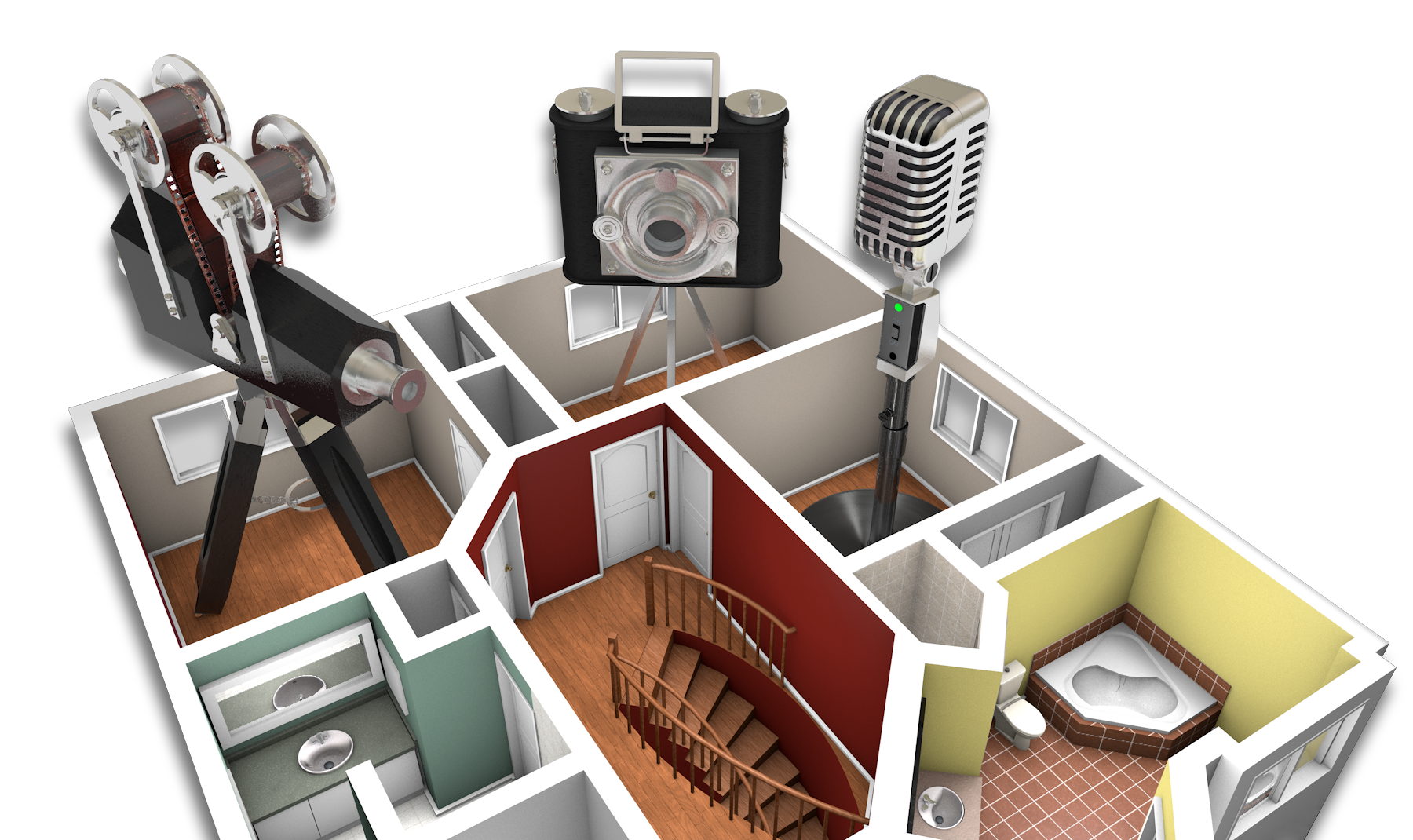
VR floor plan of a home with oversized camera, video camera, and microphone graphics representing high-quality real estate photography, and video narrated VR animated online showings for advanced property marketing.
Flaherty Team logo with Kevin@Flaherty.ca featuring "Flaherty" in bold text, "Home Selling System Team" below, emphasizing real estate services
Graphic with the text ‘Online Showings – Get Your Home Sold Faster & For More!’ promoting Video Narrated VR animated online showings for faster real estate sales
Mono seller guide · Updated May 2026

How to Price Your House in Mono When Algorithms Miss the Land, Systems, and Rural Value

A Mono home is rarely just a house. It may be an estate lot, hobby farm, acreage property, long-driveway retreat, conservation-adjacent setting, or prestige subdivision home. I price it by evidence, buyer path, and rural-property detail—not by a township average.

⏱ 18 min read📅 Last verified 2026📍 Mono, Ontario🏡 Kevin Flaherty, Broker📊 TRREB April 2026
$1.38MAvg price · Apr 2026
$1.477MMedian price
8April sales
41Avg DOM
96%SP/LP ratio
The Mono pricing problem

Why the right Mono price is a rural evidence package, not a number from a calculator

I am Kevin Flaherty, and I have lived in Mono since 1998 in the Purple Hill community. I have also spent 38 years helping sellers price, prepare, market, and negotiate real estate across south-central Ontario. In Mono, that experience matters because the market is too diverse for shortcuts.

One detached sale might be a polished prestige home near Watermark. Another might be a rolling acreage near Hockley Valley, a quiet country property near Mono Centre, a hobby farm with outbuildings, or a conservation-adjacent home where septic, well, access, and land utility affect value. The wrong price usually starts when an agent or algorithm treats those properties as interchangeable.

This page is different from a generic pricing checklist. It focuses on the unique Mono challenge: **rural property diversity creates valuation gaps that online algorithms, township averages, and urban-style CMAs miss**. My process turns the land, systems, documents, pocket, marketing narrative, and buyer path into pricing evidence.

TRREB April 2026

Mono pricing starts with market evidence, then narrows to your property fingerprint

TRREB reported 8 Mono sales in April 2026, a $1,380,000 average price, a $1,477,500 median price, 25 new listings, 51 active listings, 41 average days on market, and a 96% sale-to-list price ratio. Because Mono is a smaller rural-luxury market, one month should never be used alone. It should be read with quarterly context and property-specific comparable sales.

PeriodSalesAvg PriceMedian PriceNew ListingsActive ListingsAvg DOMSP/LP
TRREB April 20268$1,380,000$1,477,50025514196%
Q2 202524$1,420,783$1,435,00090443996%
Q1 20255$1,425,000$1,475,00044214391%
Different primary angle

Why algorithmic pricing fails for Mono properties

Automated pricing can be helpful in a dense subdivision where homes share models, streets, lot sizes, and finish levels. Mono does not behave that way. A public estimate may see square footage, bedrooms, and a township label, but it usually misses the value signals that rural buyers actually pay for.

Mono value can rise or fall because of land utility, long-driveway presence, workshop capacity, barn condition, paddocks, mature trees, views, Orangeville access, Hockley Valley appeal, conservation restrictions, well and septic confidence, WETT documentation, propane, internet, drainage, road maintenance, and whether the property feels easy or demanding to own.

After 38 years in real estate and more than two decades living in Mono, I do not let a seller anchor to a number that cannot explain those variables. A strong price is one I can defend with data and with the property story buyers will believe.

Mono pricing rule

Do not price a Mono home from the township average alone. Use the TRREB benchmark, then adjust for pocket, buyer path, usable land, service systems, documentation, presentation, and active competition.

That is how you avoid both overpricing and underselling the features that make a Mono property valuable.

Mono sub-community variance

The same asking price can mean different things in different Mono pockets

A pricing strategy should name the pocket and explain the buyer expectation. Values and buyer motivations vary across Camilla, Cardinal Woods, Fieldstone, Hockley Village, Hockley Valley, Island Lake Estates, Mono Centre, Purple Hill, Starrview Acres, Watermark. A home near Orangeville convenience is not positioned the same way as a Hockley Valley acreage, a Mono Centre country property, or a Watermark prestige home.

Convenience-plus-space

Near Orangeville and Island Lake, buyers may pay for easier daily life, services, shorter errands, and estate-style space without deep rural isolation.

Lifestyle acreage

Hockley Valley, Hockley Village, Mono Centre, and surrounding roads can command value through terrain, privacy, trails, views, and country lifestyle.

Prestige and presentation

In pockets such as Watermark, Cardinal Woods, Starrview Acres, and similar estate settings, buyers expect polish, documentation, and a listing that justifies premium positioning.

Seller video

Watch First: Price and Presentation Work Together

Kevin explains how pricing strategy and marketing work together to maximize a seller’s result.

Seller video

Why VR Explanation Matters for Mono Properties

A sample of the Flaherty.ca VR presentation system used to explain property, layout, area, and amenities online.

Seller video

Before You Hire: Ask the Pricing Questions

Questions Mono sellers can use to evaluate whether an agent can price rural property properly.

Seller video

If Your Mono Listing Already Sat on the Market

Kevin explains common reasons listings fail, including pricing, presentation, and market-position problems.

Seller video

The Home Selling System Behind the Price

Kevin outlines the Flaherty.ca Home Selling System that connects price, presentation, exposure, follow-up, and negotiation so a Mono property is launched with a complete plan.

Pricing method

The 36-step Mono pricing framework I use before recommending a list price

These phases match the HowTo schema on this page. They are deliberately built for Mono’s rural property diversity rather than a generic urban CMA.

Pricing lens 1

Property Fingerprint Before Price

  1. 1

    Classify the property as estate-lot, hobby farm, luxury acreage, conservation-adjacent, village-area, or conventional detached before selecting comparables.

  2. 2

    Map the usable land, tree cover, driveway approach, privacy exposure, road access, views, and any land that is attractive but not easily usable.

  3. 3

    Separate house value from land value, then document the buyer who would pay a premium for each part of the property.

  4. 4

    Note whether the home competes with Orangeville convenience, Hockley Valley lifestyle, Watermark prestige, or a quieter rural-pocket buyer.

  5. 5

    List the features an algorithm cannot see: outbuildings, paddocks, trails, workshop capability, long-driveway presence, setting, and scenic approach.

  6. 6

    Identify the concerns a buyer may price against you: septic uncertainty, well documentation, drainage, propane, internet, WETT, permits, or conservation limits.


Pricing lens 2

Rural Documentation and Risk Review

  1. 1

    Collect survey, tax bill, utility history, septic records, well records, water-test history, propane contracts, WETT certificate, permits, and renovation invoices.

  2. 2

    Confirm whether Dufferin County building permits or Town of Mono zoning details affect outbuildings, additions, decks, suites, or accessory uses.

  3. 3

    Check conservation, Niagara Escarpment, Greenbelt, trail, heritage, and regulated-area influences before a buyer discovers them during conditions.

  4. 4

    Inspect mechanical areas and rural-service components so buyer confidence is built before the listing goes live.

  5. 5

    Decide whether septic pumping, water testing, WETT review, roof/drainage repair, driveway grooming, or outbuilding cleanup should be handled before photography.

  6. 6

    Prepare a document package that supports your price, reduces condition risk, and helps appraisers understand the property.

Pricing lens 3

Comparable Evidence Map

  1. 1

    Start with TRREB sold data, but filter out properties that only share the word Mono and do not share the same buyer motivation.

  2. 2

    Compare by land utility, acreage bracket, pocket, road character, school/lifestyle draw, servicing, condition, and improvement quality.

  3. 3

    Use the most recent comparable sales first, then extend the window carefully when rural-luxury volume is low and adjust for market conditions.

  4. 4

    Review active competition to see what buyers can choose today, not only what sold months ago.

  5. 5

    Review expired and terminated listings to find the price ceiling that buyers rejected for similar Mono properties.

  6. 6

    Build a written adjustment grid so every major price difference is explainable before negotiations start.

Pricing lens 4

Search-Bracket and Buyer-Path Positioning

  1. 1

    Choose a launch price that sits in the right buyer search band rather than just below an emotional round number.

  2. 2

    Test whether the price captures buyers comparing Mono to Orangeville, Caledon, East Garafraxa, Mulmur, or Hockley Valley alternatives.

  3. 3

    Decide whether the property should be positioned as convenience-plus-space, rural privacy, hobby-farm utility, prestige subdivision, or conservation lifestyle.

  4. 4

    Write listing language that explains why the property is worth the price instead of forcing buyers to infer value from photos.

  5. 5

    Use professional photography, aerial context, floor plans, and Video Narrated VR Animated Online Showings to make the price legible online.

  6. 6

    Confirm that the price, presentation, and documentation tell the same story before the MLS launch.

Pricing lens 5

Launch Monitoring and Adjustment Triggers

  1. 1

    Track online views, saves, click-through, showing requests, agent feedback, second-showing interest, and buyer questions from day one.

  2. 2

    Separate marketing confusion from price resistance; a complex Mono property may need clearer explanation before it needs a lower price.

  3. 3

    If qualified buyers are viewing but not returning, review condition, pricing, and unresolved rural-service concerns.

  4. 4

    If the right buyer pool is not appearing, review search brackets, remarks, visual storytelling, geographic targeting, and comparable positioning.

  5. 5

    Make any needed adjustment decisively, with a refreshed marketing message and a clear explanation, instead of dripping small reductions over time.

  6. 6

    Use offer terms, deposit strength, conditions, closing date, and rural inspections to evaluate net result, not only headline price.

Pricing lens 6

Offer, Appraisal, and Net-Result Protection

  1. 1

    Prepare an appraisal support package with sold comparables, feature adjustments, survey details, upgrades, permits, and rural-service documentation.

  2. 2

    Negotiate inspection and water/septic conditions with evidence already organized so buyers have fewer reasons to reopen price.

  3. 3

    Review whether inclusions such as equipment, hot tubs, appliances, tractor attachments, or outbuilding contents affect perceived value.

  4. 4

    Evaluate the buyer’s financing strength for a unique rural property, because lender comfort matters on high-value acreage homes.

  5. 5

    Calculate net proceeds after commission, legal fees, mortgage payout, moving costs, rural-prep expenses, and possible repair credits.

  6. 6

    Select the offer that protects certainty, timing, conditions, and final net—not just the highest number on paper.

Mono Pricing Strategy Guide Flaherty — download the full pricing worksheet

Download the Mono Pricing Strategy Guide →

Rural confidence

Well, septic, WETT, propane, permits, and conservation details can change buyer confidence

The Town of Mono notes that rural properties generally rely on private wells and septic systems, and its septic guidance explains why proper operation, inspection, drainage protection, tile-bed care, and maintenance matter. For pricing, that means documentation is not paperwork; it is value protection.

If a buyer loves the house but becomes uncertain about the septic field, water quality, outbuilding permits, WETT status, propane setup, drainage, or regulated land, the negotiation can change quickly. The stronger approach is to prepare the evidence before the price is exposed to the market.

Pre-price document package

  • Survey, tax bill, permits, and renovation invoices.
  • Septic records, pumping history, and available inspection details.
  • Well records, water-test history, and utility costs.
  • WETT certificate, propane details, mechanical ages, and roof/drainage notes.
  • Conservation, zoning, heritage, trail, or Niagara Escarpment considerations where relevant.
Free worksheet

Download the Mono Pricing Strategy Guide Flaherty

This 5–6 page workbook helps you score the land, systems, documentation, comparable evidence, launch price, and adjustment triggers before you list.

Download the PDF
Why it matters

Pricing is also a marketing promise

If the price says “premium acreage,” the listing must prove premium acreage. If the price says “turnkey estate,” the presentation and documents must support that promise. The price, story, visuals, and evidence should all point in the same direction.

People also ask

Short answers to common Mono pricing questions

What makes Mono harder to price?

Low sales volume, 100% detached housing, acreage variance, private services, outbuildings, conservation influences, and wide pocket differences make Mono harder to price than a uniform subdivision market.

What should I check before listing?

Start with survey, septic, well, water, permits, WETT, propane, utility costs, drainage, and conservation or zoning information so buyers do not discover uncertainty after accepting an offer.

Does average price matter?

Yes, but only as context. The April 2026 Mono average was $1,380,000, but the correct price for your home depends on pocket, land, condition, systems, buyer path, and competition.

How long does a Mono home take to sell at the right price?

Days on market depends on property type, buyer pool, documentation, and competition. A well-supported Mono price should create qualified showings sooner and reduce stale-listing risk, while an unsupported price often stretches DOM even when the home is attractive.

Should I price above market to leave room for negotiation?

Usually no. In Mono, buyer volume can be thinner for acreage, estate, and rural-service properties, so overpricing can backfire by reducing early showings and causing buyers to question value before they ever negotiate.

Frequently asked questions

Mono home pricing FAQ

These answers are written for Mono sellers who need a property-specific pricing strategy, not a generic online estimate.

How should a Mono homeowner price a house when every property seems different?

Start by building a property fingerprint before choosing comparables. In Mono, the right price depends on the house, acreage, usable land, driveway approach, outbuildings, service systems, conservation influences, and the buyer path. Kevin Flaherty prices Mono homes by matching the property to its most realistic buyer pool and then proving the number with TRREB evidence, current competition, and rural-property adjustments.

Why do online valuation tools struggle with Mono homes?

Online tools flatten the township into averages and rarely see the details that drive rural value: well and septic confidence, usable acreage, outbuilding quality, long-driveway appeal, trail access, views, road character, and conservation restrictions. A detached home near Island Lake Estates and a hobby farm near Hockley Valley may both appear as Mono detached sales, but they are not priced by the same logic.

What is the most reliable data source for Mono pricing in 2026?

TRREB sold data is the starting point because it reflects actual completed transactions. For this page, the current benchmark is TRREB April 2026, which reported 8 Mono sales, a $1,380,000 average price, a $1,477,500 median price, 41 average days on market, and a 96% sale-to-list ratio. Those numbers are a benchmark, not a substitute for property-specific analysis.

Should I price my Mono home from the township average?

No. The Mono average is useful context, but it can be misleading for an individual property because the township includes prestige estate subdivisions, rural detached homes, hobby farms, conservation-area properties, and luxury acreage. The safer approach is to use the average as a market signal and then price from comparable buyer motivation, property utility, and current competition.

How does Kevin adjust comparables for acreage in Mono?

Kevin Flaherty does not treat every acre as equal. The first usable acres, the approach, privacy, views, outbuilding placement, drainage, fencing, and conservation restrictions can matter more than raw lot size. A larger parcel with limited usable land may not command the same premium as a smaller parcel with better function and stronger buyer appeal.

What property documents should I organize before setting the list price?

Prepare the survey if available, tax bill, utility costs, septic records, well records, recent water tests, WETT certificate if relevant, propane details, renovation receipts, permit documentation, outbuilding information, and any conservation or zoning correspondence. These documents help defend your price during showings, conditions, and appraisal review.

Do well and septic records affect the price or only the sale conditions?

They affect both. Buyers may discount a property if rural services are unclear, even when the house presents beautifully. Town of Mono guidance notes that rural properties generally rely on private wells and septic systems, so clear records reduce uncertainty and help buyers focus on value rather than risk.

How do Mono sub-communities change pricing strategy?

Different pockets attract different expectations. Buyers considering Hockley Valley may value rolling terrain, trails, and lifestyle access, while buyers considering Watermark may expect prestige finish and polished presentation. Pricing should reflect the pocket, not only the township name.

What makes Purple Hill important in Kevin’s Mono pricing experience?

Kevin has lived in Mono since 1998 in the Purple Hill community, so his pricing advice is informed by daily local knowledge as well as 38 years in real estate. That matters when a property’s value depends on road feel, access to Orangeville, buyer perception of the pocket, and features that do not show up cleanly in public data.

How should I price a hobby farm in Mono?

A hobby farm should be priced around both the residence and the land utility. Buyers will evaluate fencing, paddocks, barn or workshop condition, water access, driveway access, storage, zoning, and maintenance demands. The price must tell a buyer whether they are purchasing a home with land, a usable small farm, or a lifestyle property with future potential.

How do conservation areas or Greenbelt adjacency affect Mono pricing?

They can add scenic and privacy appeal, but they can also create use restrictions that buyers need to understand. The price should account for both the lifestyle premium and any limits related to regulated areas, trails, Niagara Escarpment considerations, or conservation-authority review. Unclear restrictions create negotiation risk.

Should I complete inspections before listing a Mono acreage property?

Pre-listing inspections can be useful when they remove buyer uncertainty about septic, well water, WETT, roof, drainage, or major mechanicals. Kevin Flaherty recommends using inspections strategically: do them when the information will strengthen buyer confidence or prevent a predictable conditional-period renegotiation.

How many comparable sales are enough for a Mono valuation?

There is no fixed number. Rural-luxury markets often have lower sales volume, so quality matters more than quantity. A strong valuation may use fewer close comps, a wider time window with adjustments, current active competition, and expired listings to understand the price ceiling buyers rejected.

What if the best comparable is in Caledon, East Garafraxa, or Mulmur?

Out-of-township comparables can support a valuation when buyer behaviour overlaps, but they must be adjusted carefully. A Mono buyer may also consider Caledon, East Garafraxa, Mulmur, or Orangeville-area options, yet taxes, road access, commute pattern, services, schools, and lifestyle identity can change value.

How does marketing support the price of a unique Mono home?

A unique property needs marketing that explains value before the showing. Kevin’s Video Narrated VR Animated Online Showings highlight all the home’s key features and benefits while detailing the property, area, and surrounding amenities. That matters in Mono because buyers need to understand land, layout, outbuildings, views, and systems before they decide whether the price makes sense.

When should a Mono seller adjust the price after listing?

Adjust only after reading the signal correctly. Low views can mean weak positioning or search-bracket issues; showings without return visits can mean condition or price resistance; repeated rural-service questions can mean documentation gaps. A decisive adjustment is better than several tiny reductions once the evidence shows the market is not responding.

How do appraisals affect pricing for Mono homes?

Appraisals matter because rural and high-value properties can be harder for lenders to interpret. Kevin Flaherty prepares pricing evidence so the property’s value is not reduced to a simple average. Comparable sales, upgrades, permits, survey details, and rural-service documentation help support the sale price.

Should the listing price include room for negotiation?

The better strategy is to price for visibility, evidence, and buyer confidence rather than adding an arbitrary negotiation cushion. Buyers searching Mono in 2026 are data-aware, and a price that feels unsupported can reduce showings before negotiation ever begins.

Which Mono community pages should I review before pricing?

Review the main Mono Real Estate profile plus relevant pockets such as Camilla, Cardinal Woods, Fieldstone, Mono Centre, and Purple Hill so you can see how neighbourhood identity changes buyer expectations.

How does Orangeville proximity influence a Mono list price?

Orangeville access can support value when a buyer wants rural space without losing schools, shopping, healthcare, services, or commuter practicality. Properties closer to Orangeville may compete differently than deeper rural settings because convenience becomes part of the value proposition.

Can a high asking price hurt a Mono home even if there are few similar listings?

Yes. Low inventory does not guarantee a buyer will accept an unsupported number. Unique Mono homes still compete against buyer alternatives across nearby rural markets, and an inflated price can make buyers question the property before they appreciate its strengths.

What should I do if my Mono property already failed to sell?

Kevin Flaherty starts by separating price, positioning, documentation, and marketing. An expired Mono listing may have been overpriced, but it may also have failed because the listing did not explain acreage, systems, outbuildings, layout, or the right buyer story clearly enough.

Is staging different for a Mono estate or acreage home?

Yes. Interior staging still matters, but outdoor approach, driveway, gardens, barns, garages, mechanical spaces, decks, trail areas, fencing, and storage zones are part of the showing. Buyers need to feel that the whole property has been cared for, not only the rooms inside the house.

How do I start a Mono pricing consultation with Kevin?

Start with a property-specific valuation through Mono Realtors or the local evaluation request. Kevin will review your property type, land, systems, comparable evidence, likely buyer path, and launch strategy before recommending a list price.

Real seller proof

Seller results that support the pricing and marketing system

★★★★★

“Sold in 4 days, 17 showings, 7 offers, $50,000 over asking when other homes in my area were sitting 6 months to a year. Kevin and his team are second to none when it comes to marketing homes.”

— Fay McCrea
★★★★★

“Sold over asking in one day. Before MLS. No open houses, no multiple viewings. Kevin completely removed the stress for myself and family. I highly recommend the professional videos his team produces.”

— Brian Masulka
Kevin Flaherty, Realtor with eXp RealtyAbout Kevin Flaherty

Kevin Flaherty, Broker — 38 years of pricing and selling experience

Kevin Flaherty is a real estate broker with 38 years of experience and a Top 1% in Canada record. He has lived in Mono since 1998 in the Purple Hill community, giving sellers both professional pricing experience and first-hand local judgment about road access, pockets, rural services, Orangeville convenience, and buyer expectations.

Call or text 226-270-6433, request a Mono home evaluation, or review the Flaherty.ca sellers and marketing plan.

Ready to price with evidence?

Know what your Mono property is worth before the market judges it for you

Whether you are selling an estate lot, hobby farm, acreage property, conservation-area home, or luxury detached home in Mono, start with a price that can be defended by data, documents, and buyer logic.

Free Mono evaluation

Get a no-obligation pricing consultation with Kevin.

Book Evaluation

Download the guide

Use the worksheet before deciding your launch price.

Download PDF

Talk to Kevin

Call or book a meeting to discuss your Mono strategy.

226-270-6433
Contact form for home valuation inquiries, featuring a prominent "What's Your Home Worth?" heading and submit button, reflecting Flaherty Real Estate's services for homeowners.

170 Lakeview Crt #3a

Orangeville, ON

L9W 3R3

Logo of eXp Realty Brokerage a real estate agency.

Not Intended To Solicit Properties Already Listed For Sale.

A HoneyCombHub.ca Web Site Solution

Copyright 2026 . All rights reserved.

Terms of Service/Privacy Policy