





Selling an Estate or Probate Home in Wellington North
Selling an estate or probate home in Wellington North starts with obtaining a Certificate of Appointment of Estate Trustee, then preparing the property for market — a process that typically takes 8-16 weeks from probate to closing when guided by an experienced local Realtor.
When you are named as an executor or estate trustee, selling the family home is often the largest and most complex task you face. In Wellington North, where properties range from century homes in Arthur and Mount Forest to rural acreages with private wells and septic systems, the process requires more than just putting a sign on the lawn. You are navigating the Ontario probate system, managing family expectations, and ensuring the property is protected while it sits vacant.
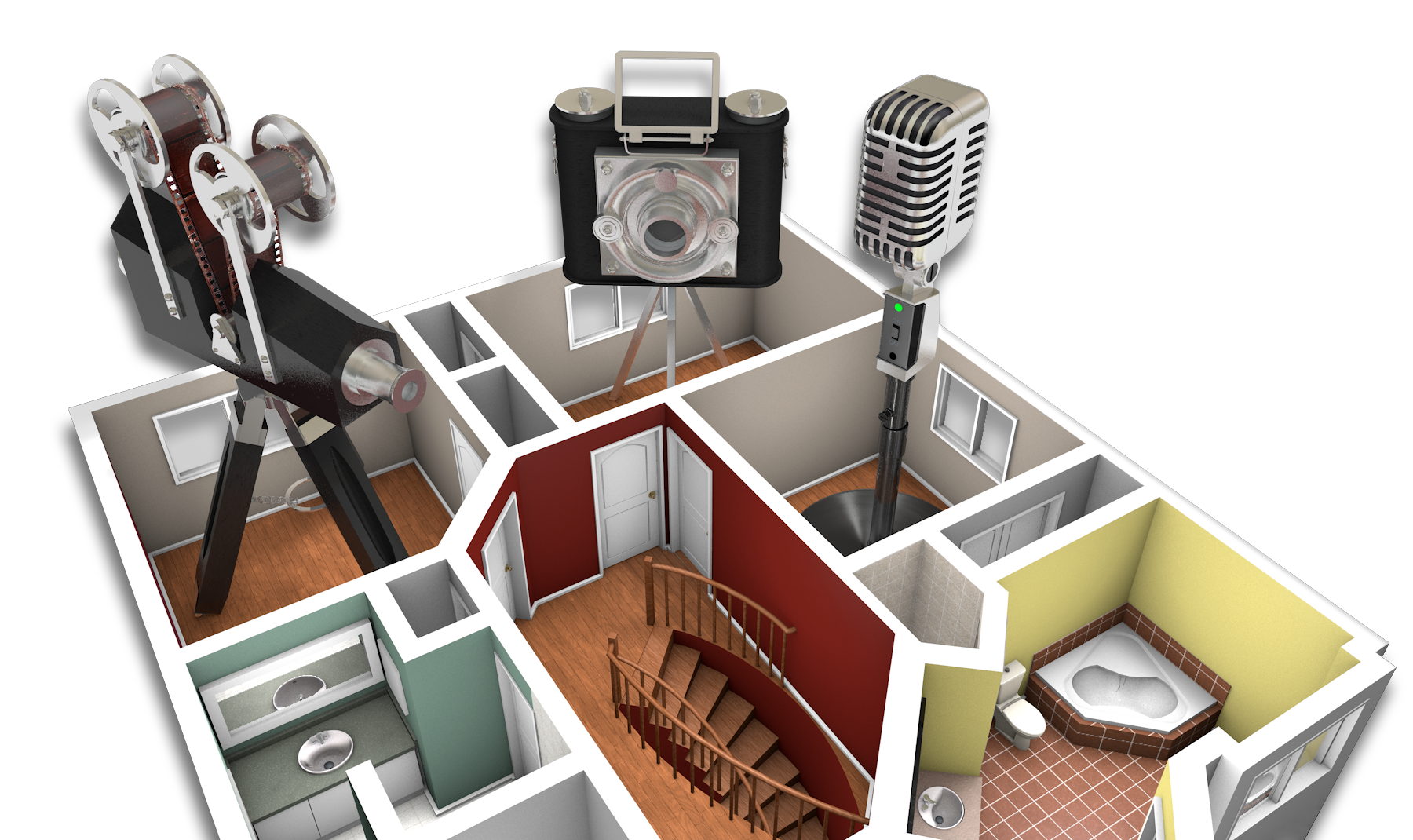
I'm Kevin Flaherty, a broker with eXp Realty. Across 38 years and over $500M in real estate sold, I have guided countless executors through the emotional and legal complexities of selling an estate home. A successful estate sale is not just about finding a buyer; it is about fulfilling your fiduciary duty to maximize the estate's value while minimizing the tax burden and legal risks. Our proprietary Video Narrated VR Animated Online Showing system is particularly effective for estate homes, allowing us to pre-qualify buyers online and reduce the disruption of constant showings.
This guide walks you through the entire process of selling a probate property in Wellington North: from securing the home and understanding the probate timeline, to deciding whether to renovate or sell as-is, and handling the final distribution. For the most current local market data, which is essential when setting your list price, see our regularly updated Wellington North Real Estate Market report.
People Also Ask About Selling an Estate Home in Ontario
Do I need probate to sell a house in Ontario?
In most cases, yes. If the property was held solely in the deceased's name, you will need a Certificate of Appointment of Estate Trustee (probate) from the Ontario Superior Court of Justice before you can legally transfer the title to a buyer.
Can I list the house before probate is granted?
Yes. You can prepare the home, list it on the market, and even accept an offer before probate is finalized. However, the agreement of purchase and sale must include a specific "probate clause" that makes the closing date conditional upon receiving the certificate.
Do beneficiaries pay capital gains tax on an inherited house?
In Canada, there is no inheritance tax, and beneficiaries do not pay capital gains tax when receiving the property. Instead, the estate pays any capital gains tax owed on the deemed disposition at the time of death, though the Principal Residence Exemption often eliminates this if the home was the deceased's primary residence.
Should we renovate an inherited home or sell it as-is?
This depends on the home's condition and the estate's timeline. While updating a dated property can significantly increase the sale price, executors must weigh the upfront cost, the time required, and the agreement of all beneficiaries. Often, decluttering, fresh paint, and deep cleaning offer the best return on investment.
What happens if beneficiaries disagree on selling?
As the executor, you have the legal authority and duty to act in the best interests of the estate, which usually means maximizing value. If beneficiaries strongly disagree on the sale or the list price, you may need to seek guidance from an estate lawyer or potentially obtain a court order to proceed.
Watch: A Backstage Tour of the Seller Marketing Plan
This video is a backstage tour of the seller marketing plan. It shows how Video Narrated VR Animated Online Showings highlight all of a home's key features and benefits online — where buyers shortlist homes they are willing to go see. It does NOT discuss pricing or negotiation; it focuses on marketing exposure and the VR system.
How to Get Top Dollar for Your House
A backstage tour of the seller marketing plan, showing how Video Narrated VR Animated Online Showings highlight all of a home's key features and benefits online — where buyers shortlist homes they are willing to go see.
Understanding the Ontario Probate Process
When an owner passes away, their assets are frozen. Probate is the legal process where the Ontario Superior Court of Justice validates the will and confirms your authority as the Estate Trustee. The court issues a Certificate of Appointment of Estate Trustee, which proves to banks, the Land Registry Office, and buyers' lawyers that you have the right to sell the property.
The Probate Timeline
A common misconception is that probate only takes a few weeks. While the initial court approval phase might take 6 to 8 weeks, the full probate and estate administration process in Ontario typically spans 8 to 12 months. This includes gathering assets, paying the Estate Administration Tax (roughly 1.5% on estate values over $50,000), filing the deceased's final tax return, and waiting for a clearance certificate from the CRA before distributing funds.
Selling During Probate
You do not have to wait for the final certificate to begin the selling process. You can list the property and accept an offer, provided your Realtor includes a robust probate condition in the Agreement of Purchase and Sale. This clause protects the estate by allowing you to extend the closing date if the court experiences delays, ensuring you are not sued for breach of contract if the paperwork takes longer than expected.
Preparing an Estate Home for Sale
Preparing an inherited home is emotionally and physically demanding. You are often dealing with decades of accumulated belongings and deferred maintenance. Your primary duty as executor is to preserve and maximize the value of the asset.
Securing the Property and Insurance
Your first step is to secure the home. Change the locks immediately. Next, contact the home insurance provider. Most standard Ontario policies contain a "vacancy clause" that voids coverage if the home is empty for more than 30 to 60 days. You will likely need to switch to a specialized vacant property policy. During the winter in Wellington North, you must maintain the heat or professionally winterize the plumbing to prevent pipes from freezing and bursting.
The "As-Is" vs. Renovate Dilemma
Executors often debate whether to invest estate funds into renovations. While fully updating a 30-year-old kitchen might yield a higher sale price, it requires capital, time, and unanimous agreement from beneficiaries. For most estate sales, the best strategy is a middle ground: remove all personal property, deep clean the home, apply fresh neutral paint, and address any glaring safety issues. We help executors evaluate the return on investment for specific repairs so you can make data-driven decisions.

Click the image to download your free Wellington North Estate Home Guide.
Navigating Taxes and Valuations
As an executor, you are responsible for ensuring the estate's tax obligations are met. Canada does not have an inheritance tax, but it does use a "deemed disposition" rule. The CRA treats all capital property as if it were sold at fair market value immediately before the owner's death.
Date of Death Valuation
It is crucial to establish the Fair Market Value (FMV) of the property as of the exact date of death. This figure is used to calculate the Estate Administration Tax and sets the new "stepped-up" cost base for the beneficiaries. A professional appraisal or a detailed comparative market analysis from an experienced Realtor is necessary to satisfy CRA requirements.
The Principal Residence Exemption
If the Wellington North property was the deceased's primary residence for all the years they owned it, the estate can usually claim the Principal Residence Exemption, eliminating capital gains tax on the deemed disposition. However, if the property was a secondary residence, a rental, or a hobby farm, the estate will owe tax on the appreciation in value. Beneficiaries only owe tax if the property increases in value between the date of death and the date it is finally sold.
Special Considerations for Rural Wellington North Properties
Selling an estate property in rural areas like Arthur or Kenilworth involves additional layers of due diligence. Buyers will scrutinize rural infrastructure, and as an executor, you may have limited knowledge of the property's history.
You must locate records for the septic system, well water tests, and any WETT certificates for wood-burning stoves. For properties involving acreage, understanding conservation authority boundaries and agricultural zoning is critical. Our guide to selling rural property in Wellington North and our specific resource for septic and well homes provide detailed checklists for these unique challenges.
The Flaherty Advantage for Estate Sales
Handling an estate sale requires a Realtor who understands probate law, tax implications, and the delicate dynamics of family beneficiaries. When you work with the Flaherty Team, you get a structured, professional approach:
- Clear Communication: We provide transparent reporting and documentation that you can share with all beneficiaries, reducing friction and answering questions before they become disputes.
- Experience That Matters: Kevin Flaherty brings 38 years of experience and over $500M in real estate sold, giving you a clear read on pricing and timeline strategies for estate properties.
- Maximum Exposure, Minimum Disruption: Every listing is showcased with a proprietary Video Narrated VR Animated Online Showing that pre-qualifies buyers online. This is especially valuable for vacant estate homes, ensuring only serious buyers walk through the door.
- Accurate Valuations: We provide the rigorous date-of-death market valuations required for your probate and tax filings.
Essential Viewing for Executors and Sellers
10 Questions You Should Ask Before Hiring A REALTOR
Make sure you hire the right professional to maximize the estate's proceeds and navigate the probate timeline.
Why Didn't My House Sell?
Common pitfalls that cause homes to sit unsold — and how to avoid them when listing an estate property.
How to Avoid Legal Mistakes When Selling
Protect the estate during the sale — Ontario's TRESA regulations require full disclosure of material facts.
Passing the Building Inspection
What inspectors look for and how to prepare an older family home so the conditional period moves quickly.
What Our Clients Say
Read more success stories at flaherty.ca/reviews.
Resources for Wellington North Executors
Related Guides for Wellington North Sellers
Explore Wellington North Communities
Frequently Asked Questions About Selling an Estate Home
Do I need probate to sell a house in Ontario?
In most cases, yes. If the property was held solely in the deceased's name, you will need a Certificate of Appointment of Estate Trustee from the Ontario Superior Court of Justice before you can legally transfer the title to a buyer.
Can I list the house before probate is granted?
Yes. You can prepare the home, list it on the market, and even accept an offer before probate is finalized. However, the agreement of purchase and sale must include a specific "probate clause" that makes the closing date conditional upon receiving the certificate.
How long does the probate process take in Ontario?
While the initial court approval phase might take 6 to 8 weeks, the full probate and estate administration process typically spans 8 to 12 months. Kevin Flaherty advises executors to plan for this extended timeline when managing estate assets and communicating with beneficiaries.
What is the Estate Administration Tax?
This is the tax paid to the Ontario government when applying for probate. It is calculated at roughly 1.5% of the total value of the estate's assets that exceed $50,000.
Do beneficiaries pay capital gains tax on an inherited house?
No, beneficiaries do not pay capital gains tax upon inheriting a property. The estate pays any required capital gains tax based on the deemed disposition at the time of death. Beneficiaries only owe tax if the property's value increases after they inherit it and before it is sold.
Does the Principal Residence Exemption apply to estate homes?
Yes. If the home was the deceased's primary residence for all the years they owned it, the estate can usually claim the Principal Residence Exemption, which eliminates the capital gains tax on the deemed disposition at death.
What is Date of Death Valuation?
It is the Fair Market Value of the property on the exact day the owner passed away. This figure is required by the CRA to calculate taxes and establishes the new cost base for the estate. Kevin Flaherty provides these rigorous valuations to ensure your legal filings are accurate.
Should we renovate an inherited home before selling?
It depends on the home's condition and the estate's timeline. While updating a dated property can increase the sale price, it requires capital and unanimous agreement from beneficiaries. Often, a thorough cleaning, fresh paint, and decluttering offer the best return on investment without the stress of major renovations.
What happens if beneficiaries disagree on selling the house?
As the executor, you have the legal authority and duty to act in the best interests of the estate. If beneficiaries strongly disagree on the sale or the list price, you may need to seek guidance from an estate lawyer to ensure you are fulfilling your fiduciary duties correctly.
Can I sell the home to a family member at a discount?
Generally, no. As an executor, you have a legal duty to maximize the value of the estate for all beneficiaries. Selling the property below fair market value to a friend or relative could lead to disputes or lawsuits from the other beneficiaries, unless everyone explicitly agrees in writing.
Who is responsible for the property while it is vacant?
The executor is responsible for securing and maintaining the property until it is sold. This includes paying utilities, maintaining the lawn and snow removal, and ensuring the home is properly insured under a vacant property policy.
Will standard home insurance cover a vacant estate property?
Usually not. Most standard Ontario home insurance policies have a vacancy clause that voids coverage if the home is empty for more than 30 to 60 days. You must notify the insurance provider immediately and likely switch to a specialized vacant property policy.
What do I need to disclose when selling an estate home?
Executors must disclose any known material latent defects—hidden issues that affect the home's safety or value, such as foundation cracks or mold. While you are not expected to know everything about a home you didn't live in, honesty protects you and the estate legally.
How do we handle a house full of belongings?
Clearing out an estate home is a major task. The best approach is to divide items into categories: keep for family, sell/auction, donate, and discard. Many executors hire professional estate sale companies or junk removal services to handle the bulk of the work efficiently.
Does staging help sell an estate home?
Yes. Estate homes are often filled with dated furniture that can make the spaces feel smaller. Decluttering and lightly staging the home helps buyers visualize themselves living there, which often leads to faster and stronger offers.
Are rural estate properties harder to sell?
They can take longer because the buyer pool is smaller and the due diligence is more complex. Buyers will want to inspect wells, septic systems, and outbuildings. Kevin Flaherty recommends gathering all available records for these systems early to prevent delays during the conditional period.
What is a WETT certificate and do I need one?
A Wood Energy Technology Transfer (WETT) certificate confirms that a wood-burning appliance, like a stove or fireplace, meets safety standards. If the estate home has one, buyers will almost certainly request a recent certificate for their own insurance purposes.
How can we attract buyers to a Wellington North estate home?
Professional marketing is key. High-quality photography, accurate floor plans, and comprehensive online exposure draw buyers from outside the immediate area. The Flaherty Team's marketing system is designed to maximize reach and generate strong interest from day one.
What is a Video Narrated VR Animated Online Showing?
It is a proprietary, narrated virtual tour that lets buyers explore the home in detail online before booking a physical visit. Kevin Flaherty uses this system to pre-qualify buyers, ensuring that only serious, interested parties schedule showings, which is especially helpful for vacant estate properties.
How do I determine the right list price for an estate home?
The list price should be based on a comprehensive analysis of recent comparable sales in the area, adjusted for the home's condition. Overpricing an estate home can cause it to sit on the market and grow stale, ultimately resulting in a lower final sale price.
Should we get a pre-listing home inspection?
It is often a smart move, especially for older family homes where maintenance may have been deferred. A pre-listing inspection allows you to identify and either fix issues beforehand or disclose them upfront, reducing the risk of a buyer walking away during the conditional period.
How long does the conditional period usually last?
Once an offer is accepted, the conditional period typically lasts five to ten business days. During this time, the buyer secures financing and completes their home inspection. Once these conditions are met, the deal becomes firm.
How long is the closing period for an estate sale?
The closing period is usually 30 to 60 days from the date the deal becomes firm. However, if probate has not yet been granted, the closing date must be scheduled far enough out to allow the court to issue the Certificate of Appointment of Estate Trustee.
How do I start the process of selling an estate home?
The first step is to consult with an experienced local Realtor to get an accurate valuation and discuss a preparation strategy. You can start by requesting a free, data-driven home evaluation from Kevin Flaherty at flaherty.ca/homeeval.

About Kevin Flaherty
Kevin Flaherty is a broker with eXp Realty and over 38 years of experience serving south-central Ontario, with over $500M in real estate sold. He specializes in strategic pricing and marketing that helps sellers maximize their net proceeds. For executors navigating the probate process, his calm, step-by-step approach turns a complex legal and emotional transition into a clear, predictable, and profitable move. Every listing receives maximum exposure through proprietary Video Narrated VR Animated Online Showings.
Call Kevin directly: 226-270-6433
Download the Estate Home Guide