Kevin Flaherty, real estate broker, smiling in a professional suit with a blue tie, representing the Flaherty Team.
Kevin Flaherty, top 1% Orangeville realtor for 10+ years, providing free no-obligation home value opinions — call 226-270-6433
Kevin Flaherty Home Selling System Team branding graphic featuring the text ‘Kevin@Flaherty.ca
’ and toll-free phone number 1-877-352-4378
Graphic with the text ‘Online Showings – Get Your Home Sold Faster & For More!’ promoting Video Narrated VR animated online showings for faster real estate sales
Real estate marketing graphic showing a house with a ‘SOLD!’ sign promoting access to sold listings and property information, with a yellow ‘Click Here’ button offering access similar to a REALTOR.
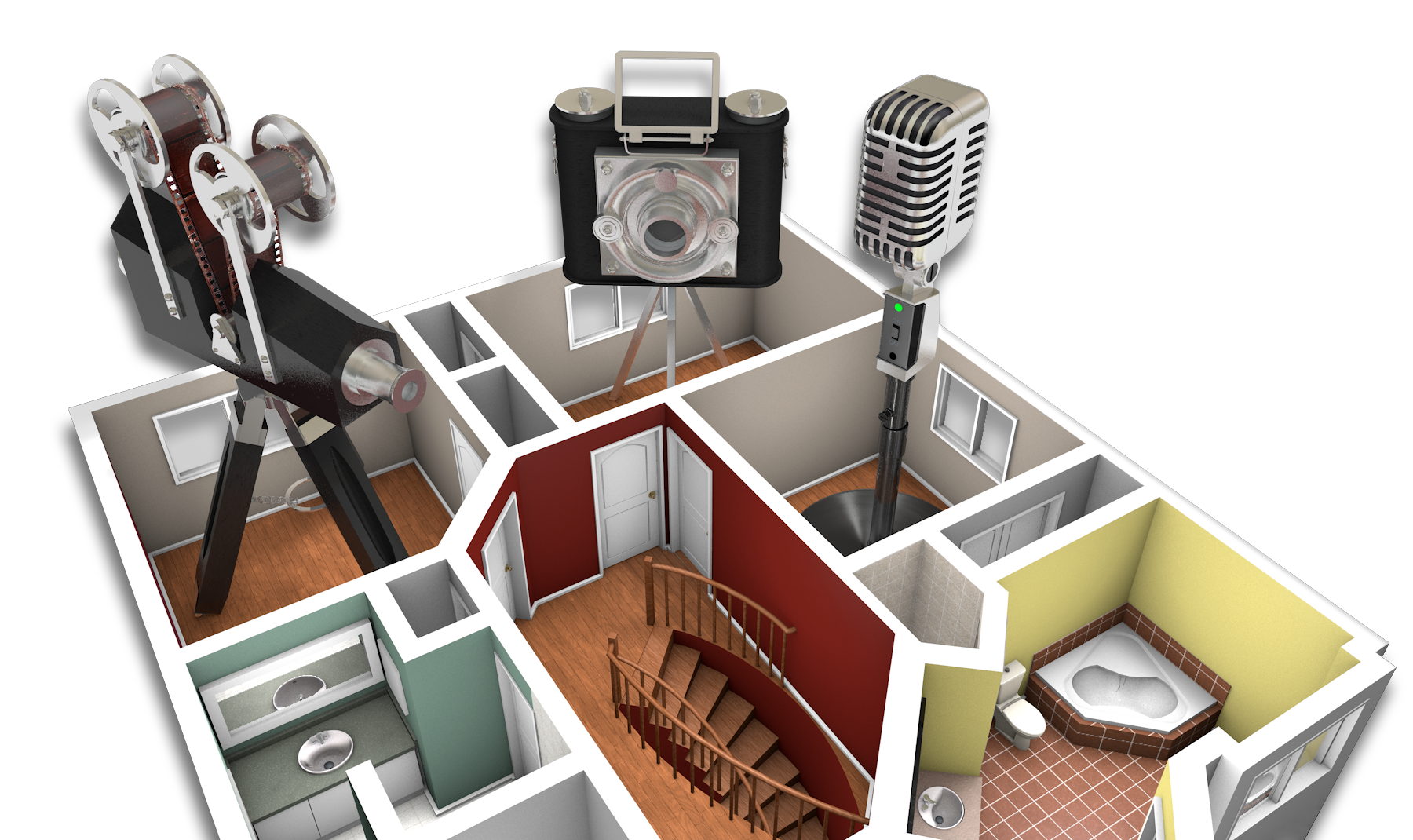
VR floor plan of a home with oversized camera, video camera, and microphone graphics representing high-quality real estate photography, and video narrated VR animated online showings for advanced property marketing.
Flaherty Team logo with Kevin@Flaherty.ca featuring "Flaherty" in bold text, "Home Selling System Team" below, emphasizing real estate services
Graphic with the text ‘Online Showings – Get Your Home Sold Faster & For More!’ promoting Video Narrated VR animated online showings for faster real estate sales
Kevin Flaherty septic and well seller guide image near the Erin Community Centre and Arena in Erin, Ontario
Erin septic and well seller guide

Selling Septic & Well Homes in Erin

Short answer: if you are selling an Erin home with septic or well, reduce buyer hesitation before listing by organizing septic pumping records, a baffle-aware pumping receipt, well flow information, bacterial water testing, and written disclosure. Buyers moving from serviced areas often have no experience with private systems, so the seller who makes the file simple and clear protects confidence before showings begin.

What happens next: Kevin reviews your property, identifies the septic and well questions buyers will ask, and helps you decide which documents to prepare before launch.


Quick answers for Erin septic and well home sellers

These are the high-intent questions buyers and sellers ask when a country property depends on private services. The answers are intentionally brief so the key point is clear before the detailed guide begins.

Should I test my septic and well before selling in Erin?

Yes. An Erin seller should usually prepare septic pumping records, a current receipt with baffle wording where possible, well flow information, bacterial water testing, and written disclosure before listing. The goal is to reduce buyer hesitation before it becomes a condition problem.

Is a full septic inspection always required before listing?

No. A full septic-bed camera inspection is not the routine pre-listing step in many sales, but pumping the tank and documenting visible working condition and baffles is a practical confidence move.

What well flow rate do buyers and banks look for?

Many lenders want a well flow-rate result before approving a mortgage on a well-served property. A field planning reference is that 2.5 gallons per minute is often low but acceptable, while 3.5 gallons per minute or more is commonly seen.

What is the biggest seller mistake with septic and well?

The biggest mistake is making buyers guess. If a seller refuses pretests, maintenance records, and written disclosure, buyers and buyer agents may wonder what is being hidden even when the systems ultimately test fine.

Who handles water testing for Erin private wells?

Erin sellers should follow Wellington-Dufferin-Guelph Public Health instructions for private well bacterial testing and keep the official result with the buyer confidence package.

16 minute readUpdated June 10, 2026Evergreen private-service selling guideLocation: Erin, OntarioAuthor: Kevin Flaherty

Make septic and well information simple before buyers turn uncertainty into a discount

When an Erin buyer sees a private septic system and well, the issue is not automatically negative. The issue is whether the buyer understands what they are looking at, whether the documents are organized, and whether the seller appears transparent. A confused buyer may not write an offer, may write a guarded offer, or may use private-service uncertainty to push harder during conditions.

That is why Kevin’s field rule matters: “the confused mind does nothing.” A seller cannot control every buyer’s fear, but a seller can control the information package. For rural properties outside the village core and Erin Glen, especially around Hillsburgh, Ospringe, Orton, and the country roads between, septic and well preparation should be treated as part of the listing strategy, not as a last-minute condition response.

Guide map

Use these sections to move from documentation to launch without leaving predictable buyer questions unanswered.

EvidenceBaffle storyConfidence packageStepsErin contextFAQ

Evergreen evidence for private-service confidence in Erin

This guide is based on durable seller preparation, not time-sensitive market statistics. It draws from Kevin’s lived and professional experience with rural septic and well properties, OREA private water and sewage disclosure practices, and the local public-health process that Erin sellers use for bacterial water testing through Wellington-Dufferin-Guelph Public Health.

Field experience

Kevin has firsthand experience seeing buyers and buyer agents hesitate when septic and well information is missing. In many cases the tests later came back fine, but the uncertainty had already weakened interest.

Disclosure framework

Private-service answers should be factual, written, and carefully reviewed. Known issues must be disclosed; electing not to disclose a known problem is not an option.

Water testing process

For Erin sellers, bacterial water analysis should follow the current local public-health instructions so the sample is handled correctly and the official result can be shared.

Kevin’s personal baffle story: a small part that could have caused a large problem

Kevin lives in Purple Hill, Mono, on a septic tank and bed system, the same basic private-service concern many rural Erin buyers are trying to understand. Because he was aware of the potential risk, he asked the technician at his own home to inspect the baffle at the time of pumping. The technician reached into the tank, grabbed the cement baffle, pulled on it, and it snapped off in his hand.

That mattered because the baffle helps prevent solids from flowing out to the septic bed. If it had broken loose later without being noticed, solids could have gone into the bed and caused damage. The fix was surprisingly simple: the technician had a plastic pipe in his truck with a 90-degree elbow on the end because this scenario is common enough that technicians carry the parts. He tapped the white tube into the outlet pipe with a rubber mallet, and the elbow acted as the replacement baffle.

The lesson for Erin sellers: septic preparation should not be presented as panic. It should be presented as responsible preparation. A simple check at the right moment can prevent an expensive problem and, just as importantly, lets the seller explain the system with confidence.

The five items that greatly reduce septic and well hesitation

The recommended Erin confidence package combines five items: a well flow rate test, a bacterial water analysis, a septic pumping receipt that notes the visible working order and baffles where possible, the septic maintenance history, and a completed Seller Property Information Statement or OREA Form 222 answers for private water and sewage. Together, these items do not guarantee perfection, but they greatly reduce hesitation.

Package itemWhat it helps proveWhat it does not replace
Well flow rate testGives buyers and lenders water-quantity information before the offer discussion becomes anxious.A buyer’s own lender, inspector, or condition requirement.
Bacterial water analysisShows official E. coli and total coliform indicator results for that sample.Chemical, mineral, seasonal, or mechanical well analysis.
Septic pumping receiptShows recent service and visible technician comments at the time of pumping.A full septic-bed camera inspection unless actually performed.
Maintenance historyShows the system has a service pattern rather than being a mystery.Proof that every hidden component is perfect.
OREA Form 222 / SPIS answersDocuments the seller’s knowledge about private water and sewage.Legal advice or a warranty of property condition.
Erin septic and well seller guide cover image for the Flaherty Team

Click the image to download your free Erin Septic & Well Selling Guide.

When sellers do not prepare, buyers may assume something is being hidden

Kevin has occasionally had sellers who were unwilling to complete the pretests and disclosure. The pattern was clear: fewer interested buyers, more hesitation from buyer agents, and weaker confidence even when the systems eventually tested fine. That hesitation can cost tens of thousands of dollars because the issue is not only the test result; it is the buyer’s suspicion before the result exists.

Direct buyers hesitate

A buyer who does not understand septic and well may mentally back away before writing an offer.

Buyer agents hesitate

An agent representing the buyer may recommend more caution when the seller’s file is incomplete.

Negotiation pressure rises

Unknowns become leverage, even if the actual test results later show no major concern.

How to prepare an Erin septic and well seller package

This six-phase process is designed to be followed in order over roughly two to four weeks. The estimated cost range depends on which tests, technicians, and supporting documents are required, but a practical planning range for the package is often $500 to $2,000. Always confirm current costs with local service providers before booking.

Phase 1: Pull together the existing septic history

  1. Gather every septic pumping receipt, service invoice, repair note, installation record, permit, drawing, and maintenance record you can locate.
  2. Create a chronological log showing when the tank was pumped, who completed the work, and whether any technician comments were recorded.
  3. Identify the system type as clearly as possible so buyers are not left guessing whether the property has a tank and bed, advanced treatment, or another arrangement.
  4. Separate facts you can document from assumptions, memories, or informal comments that should not be overstated to buyers.
  5. Flag any known issue immediately so it can be discussed with your Realtor and lawyer rather than hidden or minimized.
  6. Prepare a clean digital folder so serious buyers and buyer agents can review the maintenance story without chasing loose papers.

Phase 2: Pump the septic before listing and ask for baffle wording

  1. Book septic pumping before the property goes live so the receipt is recent enough to reassure buyers.
  2. Ask the technician to observe the inlet and outlet baffles during pumping where practical and safe.
  3. Request plain factual wording such as: At the time of pumping, the system appeared to be in good working order and the baffles were in place.
  4. Ask whether any visible concern should be corrected before listing or disclosed in writing.
  5. Do not describe a routine pumping receipt as a full septic-bed camera inspection unless that inspection was actually performed.
  6. Keep the invoice, technician wording, company contact details, and service date in the buyer confidence package.

Phase 3: Document the well flow and bacterial water result

  1. Arrange a well flow-rate test before listing if you want buyers to see water-quantity confidence early.
  2. Treat the flow result as a confidence signal, not as a promise that a lender or buyer will waive their own condition.
  3. Pick up the correct water sample bottle and follow the public-health instructions carefully so the sample is not rejected.
  4. Submit the sample within the required timing and keep the official bacterial water test result for the package.
  5. If the result is not clean, pause and get proper advice before marketing the property as though everything is fine.
  6. Label any treatment equipment and gather manuals, service records, rental agreements, or filter information where available.

Phase 4: Complete the private-services disclosure worksheet

  1. Review the OREA Seller Property Information Statement questions that apply to private water and sewage systems.
  2. Answer based on your actual knowledge and documents, not on what you hope is true or what would sound better in marketing.
  3. Use additional comments where a short yes-or-no answer needs context, dates, or an attached document.
  4. Understand that known problems must be disclosed; electing not to disclose a known problem is not an option.
  5. Discuss uncertainty with your Realtor and lawyer before sharing the package with buyers.
  6. Keep a copy of what was completed, what was supplied, and when it was made available.

Phase 5: Build the full buyer confidence package

  1. Combine the well flow test, bacterial water result, septic pumping receipt, maintenance history, and seller property information statement.
  2. Add supporting rural-property documents such as survey, propane details, WETT documentation, permits, utility notes, and service contacts where relevant.
  3. Prepare a one-page summary explaining what each document does and does not prove.
  4. Make the package available in a clean digital format for qualified buyers and buyer agents.
  5. Use plain language in listing remarks and buyer conversations so the package reduces confusion instead of creating new questions.
  6. Avoid guarantees; the goal is confidence and transparency, not replacing a buyer’s own due diligence.

Phase 6: Launch with clear marketing and respond to buyer questions

  1. Feature the septic and well package as a sign of preparedness rather than burying it until conditions are negotiated.
  2. Use online presentation, captions, documents, and Realtor conversations to make the private systems easy to understand.
  3. Track repeated buyer or agent questions and adjust the explanation if the same uncertainty appears more than once.
  4. Be ready for buyers to request their own inspection, flow test, or water sample during a conditional period.
  5. Respond to concerns with documentation and calm explanations instead of defensiveness.
  6. Keep the sale focused on confidence: when the confused mind has fewer unanswered questions, it is easier for the buyer to act.

Where septic and well questions matter most in Erin

Most rural Erin properties outside the village core and Erin Glen are on private services. Hillsburgh, Ospringe, Orton, and the country roads between them are exactly where a prepared septic and well file can prevent confusion. Buyers coming from Brampton, Mississauga, Halton Hills, and other serviced areas may be highly qualified financially but inexperienced with septic tanks, beds, wells, flow tests, and water samples.

Kevin grew up near the Erin and Caledon Townline on Highway 24, with Erin as the closest main town to his rural upbringing. His parents were both real estate brokers, and the majority of their friends and business connections were in Erin. That local rural background matters because the best explanation is not technical jargon; it is plain language that helps a buyer understand what is normal, what is documented, and what still belongs in their own due diligence.

Community context varies. Erin Village and Erin Glen often involve serviced-property expectations, while Hillsburgh, Ospringe, and Orton require more private-service education.

Before you list, confirm the septic and well story buyers will actually believe

Bring your address, septic pumping history, known well information, water-treatment details, any public-health water results, ideal timing, and concerns you expect buyers to raise. The first goal is to avoid preventable buyer doubt.

Watch: A Backstage Tour of the Seller Marketing Plan

Septic and well preparation works best when it is paired with a complete selling system. The featured video explains how Video Narrated VR Animated Online Showing helps buyers understand a home online before they decide whether to visit in person. The supporting videos cover agent selection, unsold homes, legal mistakes, and inspection concerns.

10 Questions You Should Ask Before Hiring A REALTOR

Before choosing a listing agent for an Erin rural property, ask questions that reveal whether the agent can handle country-property complexity, disclosure, and private-service preparation.

Why Didn't My House Sell?

Kevin Flaherty explains why homes may fail to sell and how stronger presentation, pricing, documentation, and buyer education can help.

How to Avoid Legal Mistakes When Selling Your House

Learn common legal and documentation pitfalls that sellers should avoid before they become costly problems during a home sale.

How Do I Know My House Will Pass the Building Inspection?

Understand what inspectors look for and how preparation can reduce buyer-condition anxiety before a sale becomes adversarial.

Questions Erin sellers ask about septic, wells, water testing, and disclosure

Start by building a buyer confidence package before the listing goes live. That package should include septic pumping and maintenance receipts, a recent pumping receipt that comments on visible working order and baffles where possible, a well flow test, a bacterial water analysis, and written seller disclosure for private water and sewage systems. Kevin Flaherty recommends this because it turns unknown risk into an organized due-diligence file.

Yes, many rural Erin properties outside the village core and Erin Glen rely on private septic and well systems. The exact service setup should always be verified for the individual property, but sellers on rural roads around Hillsburgh, Ospringe, Orton, and surrounding countryside should expect buyers to ask private-service questions.

In the Erin Village core, municipal water and sewer are more common than on surrounding rural roads. Erin Glen subdivision also has municipal services. That difference matters because a buyer moving from a serviced area may need extra education when comparing a rural property with private septic and well.

Kevin lives on a septic tank and bed system and once asked the technician at his own home to inspect the baffle during pumping. The technician pulled on the cement baffle and it snapped off in his hand. A simple plastic pipe with a 90-degree elbow was installed as a replacement baffle, preventing solids from flowing toward the bed and potentially avoiding a very expensive problem.

Usually, a full septic-bed camera inspection is not the normal routine pre-listing step. A practical seller strategy is to have the tank pumped, ask the technician to check the baffles during pumping where possible, and keep a receipt that states the system appeared to be in good working order and the baffles were in place at the time of pumping.

Ask for plain factual wording, not a guarantee. A useful note is: At the time of pumping, the system appeared to be in good working order and the baffles were in place. The exact wording must reflect what the technician actually observed and is willing to write.

Kevin asks because baffles help keep solids from leaving the tank and entering the septic bed. Older cement baffles can break with age, and a small visible issue can sometimes be corrected before it becomes a costly bed problem. The purpose is prevention and clear disclosure, not fear.

Yes. Provide the history if you have it, because records show the system has not been ignored. Receipts for pumping, repair work, filters, alarms, lids, risers, or other service can make a buyer feel they are reviewing a maintained system instead of starting from zero.

Disclose it and get professional advice before listing. Known problems are not optional talking points; they are material issues that can create legal and negotiation risk. Speak with your Realtor and lawyer about wording, repair strategy, pricing implication, and the document package.

Buyer hesitation reduces competition. Kevin has seen sellers who refused pretests and disclosure lose interest from both direct buyers and buyer agents; in many cases the systems later tested fine, but the uncertainty had already cost momentum and negotiation strength.

Often, yes. Upfront testing is not meant to remove a buyer’s right to conduct their own due diligence. It helps reduce fear before the offer, gives buyer agents something clear to explain, and can make the conditional period less adversarial.

Lenders commonly require a flow-rate test for a mortgage on a well-served property. Kevin’s field reference is that banks are generally satisfied around 2.5 gallons per minute, although that is low, while 3.5 gallons per minute or more is commonly seen. A buyer’s lender may still set its own standard.

It may be enough in many financing situations, although it is considered a low result. Sellers should avoid making promises from a single number and should treat the flow test as one piece of information that buyers, lenders, inspectors, and water professionals may review.

Yes. A bacterial water result is one of the cleanest confidence signals for a private well property. For Erin, water bacterial analysis is handled through Wellington-Dufferin-Guelph Public Health channels and Public Health Ontario laboratory processes for private drinking water samples.

Erin sellers should follow the current instructions from Wellington-Dufferin-Guelph Public Health for private well water sample bottles, drop-off timing, and laboratory reporting. The important point is to use the proper bottle, avoid delays, and keep the official result with the seller package.

It means the bacterial indicator result did not show significant contamination under the interpretation for that sample. It does not prove the well is free of every chemical, mineral, mechanical, or seasonal concern, and it does not replace ongoing testing or buyer due diligence.

OREA Form 222 is commonly used in rural-property transactions to address private water and sewage questions connected to the Seller Property Information Statement process. It helps document the seller’s knowledge about water source, water quality, water quantity, and sewage system information.

Consider it carefully with your Realtor and lawyer. Kevin recommends using written disclosure to reduce buyer suspicion when the answers are accurate and complete, but the statement must reflect actual knowledge and should never be treated as a marketing shortcut or a substitute for advice.

The strongest package includes five core pieces: a well flow rate test, a bacterial water analysis, a septic pumping receipt with baffle wording where possible, the septic maintenance history, and written private-service disclosure. Supporting documents such as surveys, service contacts, water-treatment records, and permits can also help.

Yes. Private well and septic concerns are normal across many rural Erin settings, including Hillsburgh-area country homes, Ospringe properties, Orton-area roads, and rural stretches between the communities. The documents may vary by age and system history, but the buyer-confidence principle is the same.

The listing should make the private systems plain, calm, and documented. Kevin advises Erin sellers not to assume buyers from Brampton, Mississauga, Halton Hills, or other serviced areas understand septic and well basics. Clear captions, documents, and simple explanations can turn uncertainty into confidence.

Yes. A serviced subdivision buyer may be used to municipal water and sewer, while a rural buyer must evaluate private systems. Sellers near Erin Glen should be precise about what services the property actually has, especially when buyers compare a serviced subdivision with a rural road nearby.

Ask whether the tank condition, liquid level, visible components, inlet and outlet baffles, filter, lids, risers, and obvious concerns were observed during pumping. Ask what the technician is willing to write on the receipt and whether any follow-up repair or inspection should be considered before listing.

Kevin Flaherty has been a Realtor since 1988, grew up near the Erin and Caledon Townline with Erin as his closest main town, and has sold hundreds of rural properties with private services. That background helps sellers prepare records, explain risk honestly, and avoid letting septic and well uncertainty weaken buyer confidence.

About Kevin Flaherty

Kevin Flaherty, Realtor serving Erin and south-central Ontario

Kevin Flaherty is a Realtor who has served sellers since 1988. He helps Erin and rural Wellington County homeowners prepare, document, price, and present homes so buyers understand what they are buying before uncertainty weakens confidence.

For septic and well homes, Kevin’s role is to help sellers organize the facts, disclose known issues properly, avoid overpromising, and use the selling system to make rural features easier to understand.

Call Kevin: 226-270-6433   Book a Call with Kevin

What sellers say about Kevin’s marketing system

★★★★★

“Sold in 4 days, 17 showings, 7 offers, $50,000 over asking when other homes in my area were sitting 6 months to a year. Kevin and his team are second to none when it comes to marketing homes. With the online showing technology they use, I believe my home was exposed faster and to more people.”

Fay McCrea

★★★★★

“I couldn't believe how fast my home sold at a time when other homes were sitting on the market. Kevin got mine sold quickly and at a price that was top dollar and even more than I expected. His video narrated VR animated online showing gave my home amazing exposure and reduced unnecessary showings. Kevin was a pleasure to deal with. He was always patient and kept me informed every step of the way. I highly recommend his innovative approach.”

Joanne Holding

Read more Flaherty.ca reviews

Explore Erin community context

Use these community resources to understand how the septic and well conversation changes between serviced village areas and rural roads throughout Erin.

Erin septic & well selling helpFree EvaluationBook a Call
Contact form for home valuation inquiries, featuring a prominent "What's Your Home Worth?" heading and submit button, reflecting Flaherty Real Estate's services for homeowners.

170 Lakeview Crt #3a

Orangeville, ON

L9W 3R3

Logo of eXp Realty Brokerage a real estate agency.

Not Intended To Solicit Properties Already Listed For Sale.

A HoneyCombHub.ca Web Site Solution

Copyright 2026 . All rights reserved.

Terms of Service/Privacy Policy