Kevin Flaherty, real estate broker, smiling in a professional suit with a blue tie, representing the Flaherty Team.
Kevin Flaherty, top 1% Orangeville realtor for 10+ years, providing free no-obligation home value opinions — call 226-270-6433
Kevin Flaherty Home Selling System Team branding graphic featuring the text ‘Kevin@Flaherty.ca
’ and toll-free phone number 1-877-352-4378
Graphic with the text ‘Online Showings – Get Your Home Sold Faster & For More!’ promoting Video Narrated VR animated online showings for faster real estate sales
Real estate marketing graphic showing a house with a ‘SOLD!’ sign promoting access to sold listings and property information, with a yellow ‘Click Here’ button offering access similar to a REALTOR.
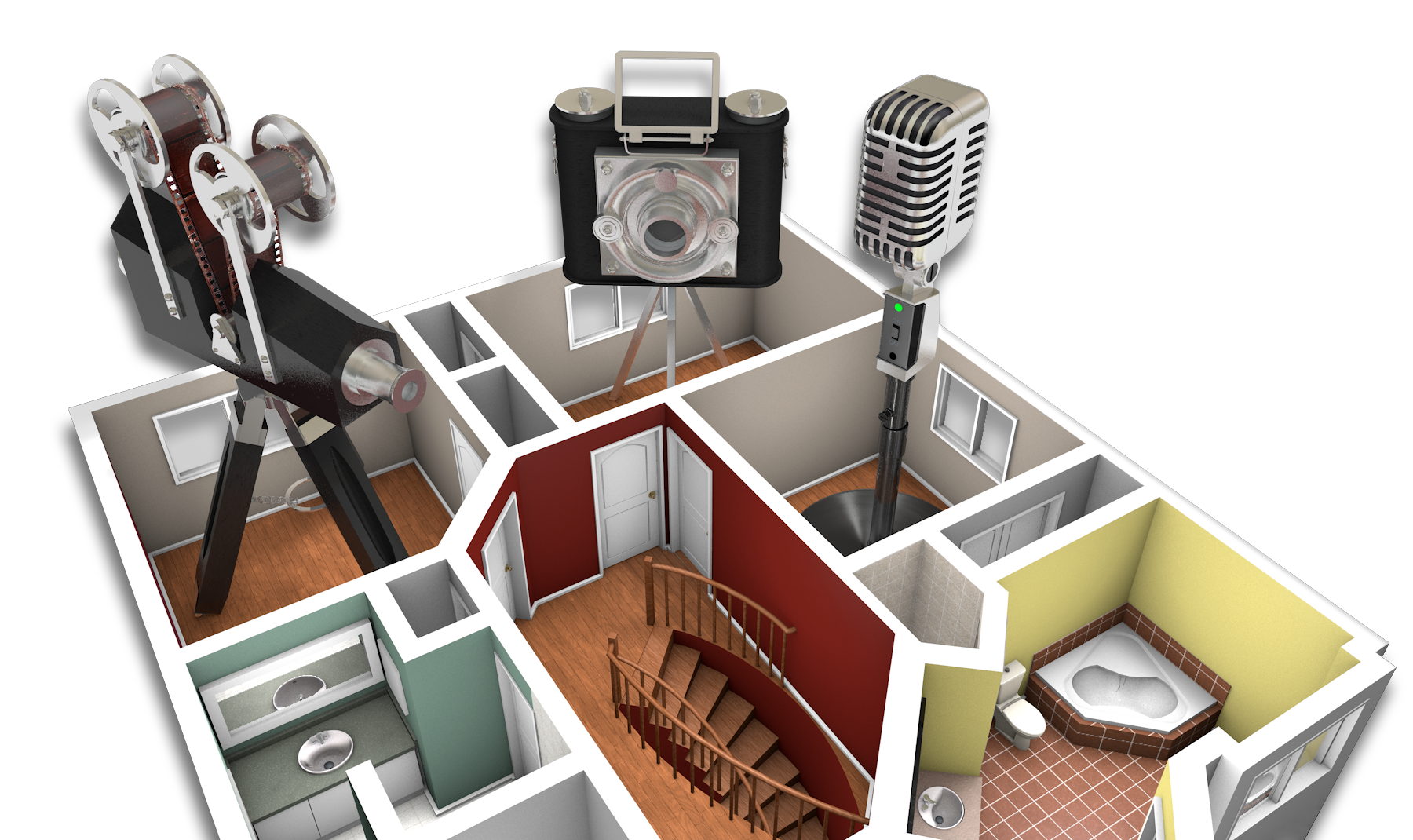
VR floor plan of a home with oversized camera, video camera, and microphone graphics representing high-quality real estate photography, and video narrated VR animated online showings for advanced property marketing.
Flaherty Team logo with Kevin@Flaherty.ca featuring "Flaherty" in bold text, "Home Selling System Team" below, emphasizing real estate services
Graphic with the text ‘Online Showings – Get Your Home Sold Faster & For More!’ promoting Video Narrated VR animated online showings for faster real estate sales
Country-home back deck with a table on a wooded lot and Kevin Flaherty in a blue suit presenting the Empty Nesters Selling Home Guide at 43.905255, -80.047299

Time for Your Next Chapter

Empty Nesters Guide to Selling Your Home

Selling after the kids move out can release equity and simplify life, but only when the home, timing, numbers, and destination work together. This guide helps you make that decision without pressure.

Updated July 14, 2026·16-minute read·Ontario empty-nester guide

People also ask

Quick answers for empty nesters considering a sale

When should empty nesters sell the family home?

The best time is when the home no longer fits daily life, the next destination is clear enough to plan, and conservative numbers support the move. A calendar date matters less than readiness and choice.

Should we downsize as soon as the kids move out?

Not automatically. Live with the new routine long enough to learn which rooms, costs, and maintenance still matter. Then compare staying, adapting, right-sizing, renting, and community living.

How can empty nesters maximize home equity?

Start with evidence-based pricing, prepare the issues buyers will notice, and present the home's features and lifestyle clearly online. Protect the result by comparing net proceeds, not only the offer price.

Where should empty nesters go next?

Choose the lifestyle before the address. Decide how much maintenance, outdoor space, guest room, accessibility, travel flexibility, social connection, and proximity to family you want.

How do we prepare emotionally to leave?

Photograph meaningful spaces, separate memories from possessions, and give family clear deadlines for belongings. Grief and excitement can exist together, so build time into the plan.

The short answer

Selling can be the right next step, but an empty nest is not a deadline

The strongest empty-nester move begins by deciding what you want life to feel like next. Sell when the current home creates more work than value, the next housing path fits your real needs, and the expected net equity supports the plan with room for costs and surprises.

Stay when the property remains manageable, the location still works, and moving would remove flexibility rather than create it. You can explore both paths without committing to a listing.

Experience for the complete move

Connect the family-home sale to the next chapter

Kevin Flaherty is a Real Estate Broker with eXp Realty and the Flaherty Team. Licensed since 1988 with over $500M sold, Kevin helps Ontario homeowners connect value, preparation, marketing, timing, and closing dates with the housing and lifestyle goals of the next move.

The first step is practical and low pressure: estimate the current home's value, identify preparation that may improve buyer response, compare transaction sequences, and decide whether selling now genuinely improves your options.

Since 1988Licensed real-estate experience
$500M+Career sales volume
One planSale, purchase and move coordinated

Make the decision in the right order

Choose the life first, then choose the property

School districts, bedroom counts, and commuting may have shaped your family-home choice. Your next home can be organized around your own priorities: manageable upkeep, travel, hobbies, accessibility, community, family connection, and financial flexibility.

Stay and adapt the current home

Keep the familiar home and consider targeted changes that reduce maintenance or improve how the space works.

Move to a smaller freehold home

Keep independent ownership and private outdoor space while reducing the size and workload of the property.

Choose a condo or townhome

Trade some independent maintenance for shared responsibilities, rules, fees, and a more travel-friendly lifestyle.

Explore a 55 plus community

Compare right-sized housing, ownership models, monthly costs, amenities, rules, and social opportunities together.

Rent temporarily before buying

Create time to test a location or wait for the right purchase without forcing the next long-term decision.

Signs selling may fit

When the house has become more responsibility than support

  • Several rooms remain unused most of the year.
  • Yard work, stairs, snow, repairs, or cleaning are becoming a burden.
  • You want more travel freedom or a location closer to the people and services you use.
  • The home was chosen for school or work needs that no longer shape daily life.
  • A conservative sale and next-home budget creates genuine flexibility.

Reasons to pause

When staying may protect your options

  • The home remains comfortable, affordable, and manageable.
  • The move is driven mainly by outside pressure or a temporary emotional low.
  • You have not compared the full cost of staying with the full cost of moving.
  • The next home would remove space or features you genuinely use.
  • A financing, tax, legal, health, or caregiving issue still needs professional advice.

Next Chapter Equity Planner

Estimate what the sale could leave for the next move

Enter your own planning amounts in Canadian dollars. The calculator subtracts secured debt and transition costs from the expected sale price, adds other available funds, then compares the result with the complete next-home budget.

Current-home sale
Next-home plan
Formula: net sale funds = sale price minus debt, selling costs, preparation, moving, and reserve. Total funds available adds other funds. Surplus or shortfall compares total funds with the next-home price plus purchase costs.
Estimated net sale funds$697,000
Total funds available$747,000
Total next-home cost$665,000
Estimated surplus$82,000

Planning only: Results are estimates based entirely on your entries. They are not a home valuation, transaction quote, guarantee, or legal, tax, lending, investment, or financial advice. Negative, blank, nonnumeric, and values above $100,000,000 are normalized into the permitted range. This calculator does not save or submit the values you enter.

Compare the paths

Empty-nester next chapter options compared

PathBest fitKey questionsMain tradeoff
Stay and adapt the current homeThe location, costs, layout, and upkeep still fit your life.Would selective changes solve the real problem, and what would they cost?You keep familiarity but may retain unused space and maintenance.
Move to a smaller freehold homeYou want ownership and outdoor space with less house or land.Will the move materially reduce total upkeep and carrying costs?A smaller freehold property still requires independent maintenance.
Choose a condo or townhomeYou value lower exterior maintenance and easier travel.What do the fees, reserve fund, rules, status certificate, parking, and pet policies show?You gain convenience but accept shared governance and ongoing charges.
Explore a 55 plus communityYou want a home and community designed around an active adult lifestyle.Which ownership model, complete costs, rules, and resale conditions apply?Community fit matters as much as the home itself.
Rent temporarily before buyingYou want flexibility or need time to clarify the destination.What will rent, storage, moving twice, and the timing gap cost?Flexibility may require two moves and additional expense.
Country-home back deck with a table on a wooded lot and Kevin Flaherty in a blue suit presenting the Empty Nesters Selling Home Guide at 43.905255, -80.047299

Free planning guide

Work through the decision before you list

The eight-page guide includes readiness signals, housing paths, an equity worksheet, a six-week preparation plan, offer considerations, and a coordinated moving checklist.

Download Empty-Nesters-Selling-Home-Guide.pdf

A coordinated path

How to sell the family home and plan the next move

The sequence below keeps the housing decision, sale proceeds, preparation, offer terms, and moving dates connected.

1

Define the next chapter

Choose the lifestyle, location, housing type, budget, and non-negotiables you want before setting a listing date.

2

Estimate sale proceeds

Use a current home-value range and subtract secured debt, selling expenses, preparation, moving, and a contingency reserve.

3

Choose the transaction sequence

Compare selling first, buying first, a conditional purchase, temporary accommodation, and other professionally reviewed strategies.

4

Prepare the family home

Protect meaningful memories while decluttering, addressing worthwhile repairs, and presenting each room for today's buyer.

5

Launch with evidence

Price from current comparable sales and competition, then use strong photography, floor plans, and online presentation to explain the property clearly.

6

Compare the complete offer

Review price, deposit, conditions, closing date, included items, risk, and the effect on the next move before accepting.

7

Coordinate closing and the move

Align legal work, financing, movers, storage, utilities, insurance, address changes, and access dates so the transition remains manageable.

Present the whole property clearly

Help buyers understand the home before they visit

Kevin's Video Narrated VR Animated Online Showings explain the layout, features, upgrades, and surrounding area in a logical order. Better-informed buyers can decide whether the property belongs on their shortlist before booking a physical showing.

See the Home Selling System

Why it matters for an empty-nester sale

  • Strong digital presentation can reduce unnecessary disruption.
  • Floor plans and narration help buyers understand how rooms connect.
  • Property and location benefits are explained rather than left to assumption.
  • The marketing plan can address likely buyer questions before the showing.

Start with information, not pressure

Find out what the family home may sell for before choosing the next budget

A current value range gives you a more realistic starting point for the next-home search and transaction sequence. You can request an evaluation or talk through the decision without committing to list.

Seller education

Five videos to help you evaluate the selling plan

10 Questions to Ask Before You Hire a Realtor (Interview Guide)

Ten practical questions help sellers compare a Realtor's experience, track record, marketing, buyer reach, floor plans, reporting, availability, and online presentation.

Pro Real Estate Tips - Why Didn't My House Sell?

Kevin highlights common reasons a home may not sell and the questions an owner should revisit before relaunching.

Pro Real Estate Tips - How to Avoid Legal Mistakes When Selling Your House

A concise reminder to identify legal questions early and use the appropriate professional advice during a home sale.

Pro Real Estate Tips - Home Inspection

Kevin explains why inspection-related issues and property condition should be considered as part of a prepared selling plan.

What clients say

Experience through a major home transition

★★★★★
We were nervous about selling after 25 years in our home, but Kevin made it so easy. His online showing system brought buyers from across Ontario, and we sold in under a week. The whole process was stress-free.
Melissa R. · RankMyAgent
★★★★★
The property was listed and sold with second viewing within two days at more than the asking price. The closing dates of this place and the new purchase matched perfectly. Kevin and his team were the epitome of skill and efficiency.
Norma Soul · Google Review
★★★★★
I couldn't believe how fast my home sold at a time when other homes were sitting on the market. Kevin got mine sold quickly and at a price that was top dollar and even more than I expected. His video narrated VR animated online showing gave my home amazing exposure and reduced unnecessary showings. Kevin was a pleasure to deal with. He was always patient and kept me informed every step of the way. I highly recommend his innovative approach.
Joanne Holding · Google Review

Read more client reviews and watch video testimonials.

Frequently asked questions

Empty-nester home-selling questions answered

How do we know whether selling is the right empty-nester decision?
Start with fit rather than square footage. Selling may make sense when the home creates more work than enjoyment, the next lifestyle is becoming clear, and a conservative financial plan supports the move. Staying may be better when the home remains manageable and the next step is still uncertain.
How long should we wait after the children move out before selling?
There is no required waiting period. Give yourselves enough time to experience the new routine, confirm whether the extra space truly feels unnecessary, and discuss whether adult children may need temporary space again. The decision should follow your needs, not an arbitrary anniversary.
What if one of our adult children may move back home?
Discuss the likelihood, timing, and type of support before choosing the next home. A guest room, flexible den, nearby short-term accommodation, or a temporary rental may protect flexibility without requiring you to maintain a much larger property indefinitely.
How much smaller should our next home be?
Count the rooms and storage you genuinely use each week, then add space for realistic guests, hobbies, work, and future accessibility. Right-sizing is more useful than chasing the smallest possible floor plan because moving again can erase the savings of an overly aggressive downsizing decision.
Should empty nesters move closer to their children?
Proximity can improve connection and practical support, but it should not be the only criterion. Consider your own friendships, healthcare, activities, transportation, independence, and whether your children's location is likely to remain stable.
Should we sell before buying the next home?
Selling first provides a known sale price and closing date, which can reduce financial uncertainty. Buying first may protect the right destination but can create carrying and financing pressure. Compare both sequences with your Realtor, lender, and lawyer before committing.
How can we estimate the equity available for our next move?
Use a realistic sale-price range and subtract mortgage or secured debt, selling and legal expenses, preparation, moving, storage, and a contingency reserve. Then add other funds and subtract the next-home price and purchase costs. The planner on this page provides transparent arithmetic for that first estimate.
What costs should we include besides the next home's price?
Include selling expenses, legal work, repairs or preparation, moving, storage, interim accommodation, purchase closing costs, property adjustments, insurance, new furnishings, and a reserve for surprises. Compare ongoing property tax, utilities, maintenance, and any condominium or community charges as well.
Will we pay tax when selling the family home?
Tax treatment depends on the property's use and your circumstances. A home that qualified as your principal residence throughout ownership may receive different treatment from a property that was rented, used for business, changed in use, or held for a short period. Ask a qualified tax professional and report the sale as required.
Should we renovate before listing?
Renovate only when the likely buyer response justifies the cost, time, and disruption. Visible maintenance, safety issues, incomplete work, poor lighting, odours, and damaged finishes often deserve attention before large design projects. Compare each proposed improvement with current buyer expectations first.
Is a pre-listing inspection worthwhile for a long-held home?
It can be useful when the home has older systems, deferred maintenance, rural components, or conditions that may create uncertainty. It may help you plan repairs and disclosures, but it is not automatically necessary for every property. Discuss the home's risk profile before ordering one.
Where should we begin decluttering decades of belongings?
Begin with low-emotion categories and one contained area at a time. Create keep, family, donate, sell, recycle, and dispose zones, then set firm pickup dates. Leave photographs, letters, heirlooms, and other high-emotion items until the sorting habit is established.
How should we handle sentimental parts of the family home?
Photograph meaningful rooms, gardens, height marks, labels, and gathering spaces before changing them. Create a small memory box or digital archive and decide which physical items genuinely belong in the next home. Preserving the story does not require preserving every object.
What should we do with belongings our adult children left behind?
Give each child a clear inventory, decision deadline, and pickup date. Explain the space and moving limits of the next home. If an item is not claimed by the agreed date, follow the family plan for donation, sale, storage, or disposal rather than postponing every decision.
Should unused bedrooms be staged as bedrooms?
Usually, buyers understand a family home more easily when rooms show a clear and marketable purpose. A bedroom converted into storage may appear smaller or less functional. Your staging plan should reflect the most likely buyer while remaining truthful about the space.
How long does it take to prepare an empty-nester home for sale?
A focused preparation may take several weeks, while a home with decades of belongings or deferred work can take longer. Build the schedule backward from the preferred listing date and assign deadlines for family decisions, disposal, repairs, cleaning, photography, and launch.
Which property documents should we gather?
Collect surveys, tax information, utility details, permits, warranties, renovation invoices, service records, rental contracts, equipment information, and documents for any shared, condominium, well, septic, or other property components. Your Realtor and lawyer can identify what is relevant.
Is a condo automatically cheaper than our current house?
No. A lower purchase price or smaller floor plan does not guarantee a lower total cost. Compare mortgage or rent, property tax, insurance, utilities, maintenance, parking, storage, condominium fees, expected increases, and the condition of the reserve fund.
Would renting before buying reduce the pressure?
It can separate the home sale from the permanent purchase and give you time to test an area. The tradeoff is the cost and inconvenience of two moves, storage, rent, and possible market changes. Price the complete temporary plan before choosing it.
When should we consider a 55 plus community?
Consider one when you value a right-sized home, a more social environment, specific amenities, or predictable shared maintenance. Compare the ownership structure, complete monthly cost, rules, location, accessibility, resale conditions, and community culture before focusing on the building style.
Which accessibility features should we consider now?
Look at entrances, stairs, bedroom and bathroom location, door widths, laundry, shower access, lighting, parking, outdoor upkeep, and the possibility of future adaptations. Choosing adaptable features while you have options can reduce the need for another disruptive move.
How can we coordinate closing dates without feeling rushed?
Set preferred and unacceptable date ranges before reviewing offers. Consider the next purchase, financing, legal work, movers, storage, occupancy, and any bridge period together. The strongest offer is the one that works financially and practically, not simply the highest headline price.
How can we avoid moving twice?
A coordinated sale and purchase may align closing dates, but exact same-day timing can create stress and may not suit every transaction. Flexible possession, storage, short-term accommodation, or a professionally reviewed financing strategy can provide a safer buffer. Compare risk as well as convenience.
How can Kevin Flaherty help with an empty-nester move?
Kevin can provide a current home-value analysis, identify preparation priorities, build a marketing and showing plan, compare offers, and coordinate the sale strategy with the timing of the next move. The first conversation can be exploratory and does not require you to list immediately.


Helpful public resources

Official guidance for tax, condominium, and moving questions

Our Local Business Community Connections

Flaherty Team business profiles across the service area

Kevin Flaherty, Real Estate Broker with eXp Realty and the Flaherty Team

About the author

Kevin Flaherty, Real Estate Broker

Kevin Flaherty is a Real Estate Broker with eXp Realty and the Flaherty Team. Licensed since 1988 with over $500M sold, Kevin helps homeowners connect the value, preparation, marketing, and timing of a current-home sale with the next stage of life.

His Video Narrated VR Animated Online Showings help buyers understand the layout, features, upgrades, and location before deciding whether to visit, supporting stronger digital presentation and more qualified physical showings.

Direct: 226-270-6433

Keep the plan beside you

Download the Empty Nesters Selling Home Guide

Use the worksheets and checklists to compare staying, selling, housing paths, estimated equity, preparation, and closing coordination.

Open the Free PDF Guide
Contact form for home valuation inquiries, featuring a prominent "What's Your Home Worth?" heading and submit button, reflecting Flaherty Real Estate's services for homeowners.

170 Lakeview Crt #3a

Orangeville, ON

L9W 3R3

Logo of eXp Realty Brokerage a real estate agency.

Not Intended To Solicit Properties Already Listed For Sale.

A HoneyCombHub.ca Web Site Solution

Copyright 2026 . All rights reserved.

Terms of Service/Privacy Policy