How to Get Top Dollar For Your House — Kevin Flaherty
Kevin Flaherty explains pricing, preparation, and exposure decisions that help sellers protect value.







TRREB reported five Mono sales in September 2026, all detached, with a $1,064,000 average price, $950,000 median, 26 new listings, 71 active listings, 94% average SP/LP and 77 average listing days on market. This small sample provides context; it does not predict your home’s value or selling time.
One public average cannot establish the value of a Mono property. Acreage, setting, private services, buildings, access, permissions and condition affect which sales are relevant. September’s five detached transactions are a small sample; the 49 January–September sales offer a longer-period comparison, with a different mix of homes.
If you are comparing your property against the broader market, start with the local sales numbers below, then narrow the comparison by neighbourhood and property type. Sellers of acreage, hobby farms, and estate homes should also review selling rural property and acreage in Mono, selling a hobby farm in Mono, selling a home with septic and well in Mono, and how to sell a luxury estate home in Mono.
Jump to the part of the report that helps with your decision.
Mono’s September average and median exceeded the county figures. Different housing mixes and a five-sale sample mean the difference does not establish a uniform premium or explain its cause. Use relevant sales, current competition and property-specific evidence for the asking decision.
All five reported Mono sales were detached.
$950,000 median; neither figure is an individual valuation.
For sold listings, compared with 40 in Dufferin County.
A ratio for firm sales, distinct from original asking price.
Source: TRREB September 2026 Dufferin report — Mono, PDF page 7.
On smaller screens, scroll the property-type tables sideways to read every column.
| Metric | All home types | Detached |
|---|---|---|
| Sales | 5 | 5 |
| Dollar volume | $5,320,000 | $5,320,000 |
| Average price | $1,064,000 | $1,064,000 |
| Median price | $950,000 | $950,000 |
| New listings | 26 | 26 |
| Active listings | 71 | 71 |
| Avg. SP/LP | 94% | 94% |
| Avg. LDOM | 77 | 77 |
All five sales were detached. Semi-detached, condo townhouse, condo apartment, attached/row/townhouse and detached condo had zero September sales, new listings and active listings. The report leaves their price and pace fields blank.
| Metric | All home types | Detached |
|---|---|---|
| Sales | 49 | 49 |
| Dollar volume | $64,397,039 | $64,397,039 |
| Average price | $1,314,225 | $1,314,225 |
| Median price | $1,250,000 | $1,250,000 |
| New listings | 224 | 223 |
| Avg. SP/LP | 96% | 96% |
| Avg. LDOM | 46 | 46 |
All 49 year-to-date sales were detached. There were 224 all-type new listings: 223 detached and one detached condo. Active listings are a month-end snapshot, not a cumulative YTD total.
Source: TRREB September 2026 Dufferin report — Mono, PDF page 7.
Average SP/LP is TRREB’s reported ratio of average selling price to average listing price for firm transactions. It does not establish the ratio to original asking price, the percentage of homes sold below list or an individual outcome. LDOM is average listing days on market for sold listings, not preparation time, a closing timeline or a deadline for an unsold home.
Prices reflect the homes sold. A five-sale month cannot establish a lasting trend or the price change of every Mono home.
Compare July, August and September 2026 municipal figures alongside each month’s sales count. Changes in the median, listing-day average or SP/LP ratio do not establish the change in every Mono home’s value or predict your property’s result.
On smaller screens, scroll this comparison sideways to read every column.
| Month | Sales | Median price | Active listings at month-end | Average LDOM | Average SP/LP | Source |
|---|---|---|---|---|---|---|
| July 2026 | 11 | $1,275,000 | 81 | 34 | 102% | TRREB Dufferin report, July 2026, Mono, PDF page 7 |
| August 2026 | 8 | $1,278,750 | 74 | 42 | 94% | TRREB Dufferin report, August 2026, Mono, PDF page 7 |
| September 2026 | 5 | $950,000 | 71 | 77 | 94% | TRREB Dufferin report, September 2026, Mono, PDF page 7 |
All reported sales in these three monthly samples were detached. Active listings are month-end snapshots; sales count activity during each month. LDOM concerns sold listings, and SP/LP does not measure the ratio to original asking price. These are the stated report editions; TRREB may revise historical figures. Do not add these rows to YTD or infer a lasting trend from three small samples.
Use recent activity to frame questions about your property’s relevant competition and timing. Review suitable sales, current alternatives, condition, land, services and buildings rather than turning the table into an automated valuation or deadline.
| Metric | Value |
|---|---|
| Sales | 61 |
| Average price | $803,576 |
| Median price | $740,000 |
| New listings | 216 |
| Active listings | 462 |
| Avg. SP/LP | 96% |
| Avg. LDOM | 40 |
Source: TRREB September 2026 Dufferin report — county table, PDF page 2.
The county’s 61-sale sample covers a broader geography and housing mix. Use it as regional context, not as a substitute for Mono sales.
| Metric | Value |
|---|---|
| Benchmark price | $857,200 |
| HPI index | 355.8 |
| Year-over-year change | -1.25% |
Source: TRREB September 2026 MLS HPI public tables, PDF page 2.
This county-level benchmark is not a Mono municipal or property-specific value. The current table uses Single Family Detached, distinct from the older 1 Storey category. Do not treat a category change as a price change. The published year-over-year change is −1.25%; other change periods are not inferred.
| Metric | Value |
|---|---|
| Sales | 15 |
| Dollar volume | $19,147,039 |
| Average price | $1,276,469 |
| Median price | $1,170,039 |
| New listings | 100 |
| Active listings | 52 |
| Avg. SP/LP | 96% |
| Avg. DOM | 43 |
Source: TRREB Q2 2026 Mono community report — Rural Mono, PDF page 2.
Rural Mono is a community table, separate from the current municipal table. Q2 overlaps January–September, so the sales counts must not be added. Its DOM label is retained as published, distinct from monthly LDOM.
Use the market context, preparation checklist, seller questions and action plan to organize your discussion with Kevin.

Public averages cannot calculate the value of a rural or estate property. They provide context for a professional comparison of land, access, servicing, buildings, condition, location and current competition.
September 2026 Mono average, based on five detached sales.
September 2026 Mono median.
January–September 2026 Mono average, based on 49 sales.
September 2026 Dufferin County Single Family Detached HPI benchmark; not a Mono valuation.
A property-specific value still requires recent comparable sales and a review of acreage, road and driveway access, privacy, views, outbuildings, septic, well, internet, heating, dwelling quality, renovations and competing listings.
Compare five September sales with 71 active listings as separate measures of completed activity and month-end availability; this is not formal months of inventory.
Separate property types: all five September and all 49 January–September Mono sales were detached.
Use the $1,064,000 September average and $950,000 median as context, not a property-specific value.
Read the reported 94% average SP/LP as a firm-sale ratio, not a ratio to original asking price or a prediction for your home.
Compare Mono’s 77 September average listing days with Dufferin County’s 40; neither figure supplies an individual preparation or closing timeline.
Review 26 September new listings and 224 January–September new listings as distinct periods; September is already included in YTD.
Use the $857,200 Dufferin County Single Family Detached HPI benchmark as broader context, not a Mono valuation.
Read the county detached HPI’s −1.25% year-over-year change in its exact geography and property category; do not apply it to every Mono home.
Define the most relevant comparison set by property type, acreage, home size, outbuildings, renovations, views, and neighbourhood.
Select comparisons by actual setting, access, lot, buildings and services in Hockley Valley, Island Lake Estates, Cardinal Woods, Mono Centre, Purple Hill, Camilla and other relevant communities; the report does not measure neighbourhood demand.
Document septic, well, water treatment, heating, driveway, roof, windows, hydro, internet, and maintenance details before launch.
Collect surveys, permits, septic records, well records, utility costs, tax bills, warranties, floor plans, and renovation receipts.
Review condition, safety, required work, professional advice and quotes before deciding on cosmetic updates, staging, landscaping or cleanup; do not assume cost recovery.
Explain acreage, privacy, trails, paddocks, workshops, barns, pools, ponds, gardens and hobby-farm features accurately. Confirm permitted uses, actual access and equipment inclusions.
Compare your property with relevant current active alternatives; the municipal count alone does not measure competition within your segment.
Review net proceeds after negotiated brokerage remuneration and applicable legal, mortgage, moving, adjustment and preparation charges.
Create professional photography that shows architecture, land, driveway approach, outdoor living, views, privacy, outbuildings, and room flow.
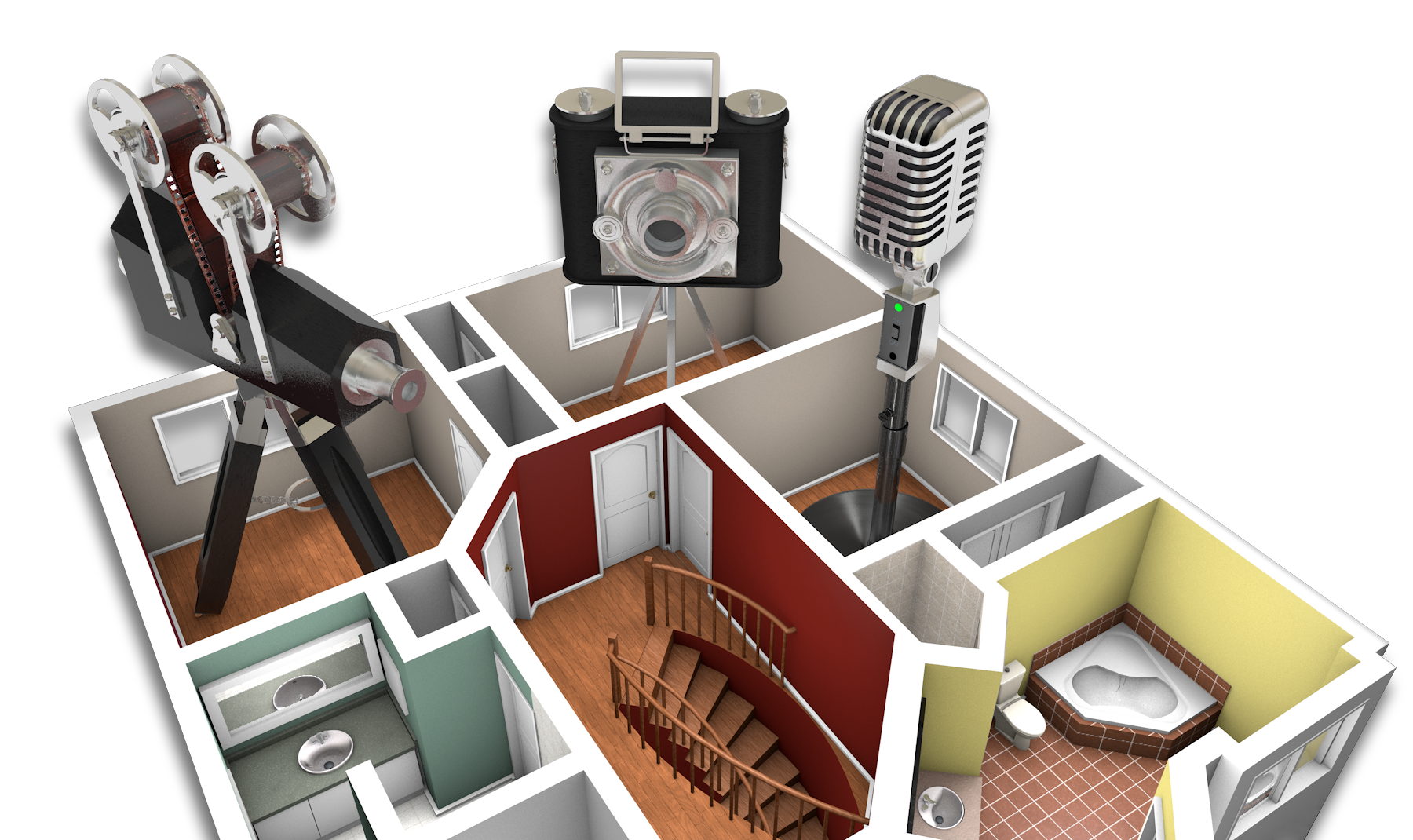
Use video and narrated online showing assets to explain acreage, systems, setting, and estate features buyers cannot understand from still photos alone.
Explain location, routes, nearby communities, services, schools and recreation accurately; proximity does not establish access, membership or permitted use.
Highlight how the property compares with nearby active alternatives so buyers understand why it deserves attention.
Organize photos, video, floor plans, available documents and system notes on a custom property website. Label boundary graphics as illustrative and verify legal measurements separately.
Prepare answers about septic, well, internet, heating, utilities, laneway maintenance, permissions and inclusions. Specify equipment, fixtures, rentals and exclusions in the purchase agreement.
Make the property presentation readable and usable on a phone, including photos, plans, captions and contact options.
Syndicate the listing broadly while keeping the property narrative consistent across each platform and media asset.
Launch only when price, presentation, evidence, documentation, and exposure are aligned with the current Mono market.
Track enquiries, showings, online engagement, agent questions and buyer feedback. These measures do not establish a buyer’s financial qualification.
Compare feedback with relevant active alternatives in the same property segment and price range.
If activity is weak, diagnose whether the problem is price, photos, condition, documentation, land-use explanation, exposure, or timing.
Agree review triggers and respond to a documented positioning concern; time on market alone does not establish its cause.
Negotiate from documented value evidence rather than emotion, replacement cost, or peak-market assumptions.
Review offer strength by price, deposit, financing, inspection, septic or well conditions, sale-of-property clauses, closing date, and buyer motivation.
Agree a review schedule with Kevin. A first review after two to three weeks is a planning example, adjusted for actual activity and seller needs.
Public Health Ontario’s well-water tests cover E. coli and total coliforms, not chemical safety or well quantity. Ask your local public health unit about chemical testing and obtain appropriate advice on quantity, treatment and maintenance. Pumping receipts are septic maintenance records, not full-system certification.
For wood-burning appliances, obtain the written report from a WETT-certified inspector and confirm the inspection level and timing your insurer requires. WETT certifies people; the document is an inspection report.
Before clearing, grading, structural work or drainage changes, confirm permissions with the Town of Mono and relevant authorities. Use the Niagara Escarpment Commission’s property and development guidance and Conservation Ontario’s authority finder to identify contacts; confirm property-specific jurisdiction.
Maps, drone footage and animated lines are illustrative, not legal surveys or evidence of access rights. Verify boundaries and measurements through appropriate survey and title review. Nearby recreation does not automatically grant access. Put equipment, rentals and inclusions in the purchase agreement.
Kevin Flaherty explains pricing, preparation, and exposure decisions that help sellers protect value.
A sample of the online showing experience that helps buyers understand a home before visiting.
Kevin discusses legal concerns sellers should review with their Realtor and lawyer.
Questions Mono sellers can use to compare agents, systems, and accountability.
A practical review of why listings sit and how to correct price, condition, exposure, and confidence gaps.
Inspection concerns that can affect buyer confidence, negotiations, and sale timelines.
Timing guidance for sellers weighing seasonality, inventory, rural demand, and buyer activity.
Why simply appearing on MLS is not enough when estate and rural buyers have options.
These related guides help you move from market data into practical decisions about pricing, preparation, marketing, rural property details, and timing.
Use these community pages to explore setting, lot types, access and services alongside property-specific records and relevant sales. The municipal report does not measure neighbourhood demand.
Kevin's experience and marketing team sold my home over asking price in one day. The house was sold before it even went on MLS. We did not have to go through open houses or multiple viewings. The professional videos his team produces are amazing.
Google review · Dufferin County · Read client reviews
I couldn't believe how fast my home sold at a time when other homes were sitting on the market. Kevin got mine sold quickly and at a price that was top dollar and even more than I expected. His video narrated VR animated online showing gave my home amazing exposure and reduced unnecessary showings. Kevin was a pleasure to deal with. He was always patient and kept me informed every step of the way. I highly recommend his innovative approach.
Google review · Dufferin County · Read client reviews
Individual experiences vary. These Dufferin County testimonials describe their own transactions.
Flaherty Team on Google: 5.0/5 from 61 reviews — Google Business Profile. Last checked October 14, 2026.
Kevin Flaherty on RankMyAgent: 4.96/5 from 52 verified reviews — RankMyAgent profile. Last checked October 14, 2026.
TRREB reported five Mono sales in September 2026, all detached, with a $1,064,000 average price, $950,000 median, 26 new listings, 71 active listings, 94% average SP/LP and 77 average listing days on market. This small sample provides context; it does not predict your home’s value or selling time.
September 2026 reported 71 active listings and five sales. These separate stock and flow measures alone do not establish a formal buyer’s-market classification or months of inventory. Compare the relevant property segment and current alternatives.
Mono’s September 2026 all-type average sale price was $1,064,000 and its median was $950,000. All five sales were detached. These figures describe the sold sample, not a valuation for every Mono home.
TRREB reported 77 average listing days on market for Mono’s September 2026 sold listings. This is not a deadline for an individual listing or the full time from preparation to closing.
The reported 94% average SP/LP is the ratio of average selling price to average listing price for firm September 2026 transactions. It does not establish the ratio to original asking price, how many homes sold below asking or a prediction for one home.
The September 2026 Dufferin County Single Family Detached HPI benchmark was $857,200, its index was 355.8 and its year-over-year change was −1.25%. This is county and property-type context, not a Mono municipal valuation or a direct comparison with the older 1 Storey category.
September’s Mono average was $1,064,000, compared with $803,576 for Dufferin County. Different geography, housing mixes and Mono’s five-sale sample mean the difference alone cannot establish a uniform premium or its cause.
All five September 2026 sales and all 49 January–September 2026 sales in the Mono report were detached. This describes reported transactions; it does not mean every property in Mono is detached.
January–September 2026 recorded 49 sales, a $1,314,225 average, $1,250,000 median, 224 new listings, 96% average SP/LP and 46 average LDOM. All sales were detached; 223 new listings were detached and one was a detached condo. September is included in YTD.
The Q2 2026 Rural Mono community table reported 15 sales, a $1,276,469 average, $1,170,039 median, 100 new listings, 52 active listings, 96% average SP/LP and 43 average DOM. It is separate from the current municipal table, and Q2 overlaps YTD.
Use average and median price as market context, then rely on comparable sales and active competition for the actual pricing decision. Kevin Flaherty recommends treating public averages as the starting point, not the answer, because acreage, privacy, road, neighbourhood, improvements, outbuildings, views, and property systems can move value materially.
Setting, access, lot, buildings, condition and services can affect which properties belong in a comparison set. The cited municipal report does not measure individual neighbourhood demand or price tolerance.
Review condition alongside the property’s relevant competition, price, available documents and buyer questions. The municipal inventory count alone does not establish how strongly a particular condition issue affects the decision.
A material pricing risk is using a past expectation without reviewing relevant current sales and competing listings. The September county detached HPI’s −1.25% year-over-year change is broader context; it is not the measured price change of every Mono home.
No. September 2026 figures are market context, not an automated valuation. A selling-price opinion requires relevant sales and current competition, with property-specific location, land, dwelling, buildings, services and condition.
Gather your property details, lot size, survey if available, recent improvements, approximate age of major systems, septic and well information, heating and utility details, zoning or permit information, tax data, and any known repair concerns. This helps the evaluation move beyond a generic average.
Organize available service, inspection, maintenance, treatment and quantity records. Bacterial water tests do not establish chemical safety or well quantity, and septic pumping receipts do not certify the whole system. Select further investigation with appropriate professional advice.
Document barns, outbuildings, fencing, paddocks, animal water, access and equipment accurately. Confirm property-specific permissions and actual recreation access; specify fixtures, equipment, rentals and exclusions in the purchase agreement.
Explain the estate’s architecture, finish, land, setting, privacy, services and available records with professional media and a relevant comparison set. Presentation helps a buyer understand the property; financial qualification is assessed separately.
Marketing explains architecture, rooms, land, services and ownership details through professional media, narrated online showings, floor plans and consistent distribution. It does not by itself establish financial qualification, a sale price or selling time.
Start with the communities buyers are most likely to compare in the same price range and property style. Depending on the home, that may include Hockley Valley, Island Lake Estates, Cardinal Woods, Mono Centre, Purple Hill, Camilla, Starrview Acres, Watermark, Fieldstone, or Hockley Village.
Consider safety, condition, required work, professional advice, quotes and timing before choosing renovations. Compare selective work with presenting the current condition; do not assume a particular return from a market average.
If a home failed to sell, review price, photo quality, property explanation, showing feedback, online exposure, condition, buyer objections, and how the listing compared with active alternatives. A simple relist may not solve the problem if the underlying reason for hesitation is still present.
Start with a home evaluation that reviews your exact property against recent sales and active listings. Use the market tables on this page for context, then request a property-specific review before making pricing, timing or renovation decisions.

Kevin Flaherty is a real estate broker with real estate experience since 1988 serving Mono, Orangeville, Caledon, Shelburne, and south-central Ontario. Kevin has lived in Purple Hill, Mono since 1998, giving him direct local context for the township’s estate subdivisions, rural acreage, private well and septic systems, and buyer expectations.
His Home Selling System Team uses Video Narrated VR Animated Online Showings, professional photography, drone, floor plans, custom property websites, 57+ site syndication, buyer targeting, and a dedicated marketing team to help sellers create stronger buyer confidence.
Phone: 226-270-6433 • About Kevin • Book Kevin’s calendar
Use these sources for market context, well-water testing, wood-appliance inspections, municipal permissions and local business information. Property-specific legal boundaries, access and permitted uses require appropriate professional review.
The blue outline shows Mono’s municipal boundary. Roads and nearby town names help you locate it; neighbouring municipalities are not highlighted.
Loading the Mono street map…
Boundary data: Government of Ontario municipal boundaries. Contains information licensed under the Open Government Licence – Ontario. Street map: © OpenStreetMap contributors. This municipal outline is not a neighbourhood, county or legal property boundary, does not establish access rights, and does not identify a Flaherty office location.

170 Lakeview Court; Unit 3A
Orangeville, ON
L9W 5J7

Not Intended To Solicit Properties Already Listed For Sale.
A HoneyCombHub.ca Web Site Solution
Copyright 2026 . All rights reserved.